China Best Nylon Weightlifting Belt Supplier?
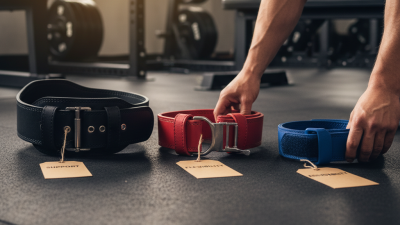
Choosing China’s best Nylon Weightlifting Belt supplier requires more than comparing factory prices. A dependable partner should understand lifting mechanics, material behavior, and practical gym requirements. The belt must support the lower back without feeling rigid during squats, deadlifts, or general strength training. Small details matter. Stitching, buckle alignment, edge binding, and hole spacing affect daily performance.
Experienced suppliers usually provide clear material specifications, factory photographs, product samples, and inspection records. Ask whether the nylon has suitable tensile strength and whether the belt keeps its shape after repeated use. A professional manufacturer should explain its testing process instead of making vague performance claims. Certifications, traceable production records, and consistent communication also support supplier credibility. These details help buyers assess reliability before placing a larger order.
Still, no supplier is perfect. A polished website cannot replace physical samples or independent checks. I would test the belt under realistic movement, inspect the seams closely, and measure comfort after extended wear. Some belts may look strong but feel uncomfortable around the ribs. Others may offer excellent support but use weak hook-and-loop closures. This is where careful feedback matters. The best Chinese supplier should respond openly, correct avoidable defects, and improve future batches. Buyers should also confirm packaging, lead times, customization limits, and applicable product requirements. A thoughtful selection process protects brand reputation and helps deliver a Nylon Weightlifting Belt that athletes can trust.
What Makes a Nylon Weightlifting Belt Suitable for Strength Training
China Best Nylon Weightlifting Belt Supplier?
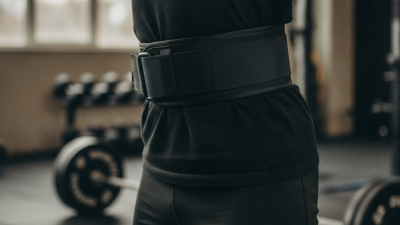
A suitable nylon weightlifting belt must support movement, not simply feel rigid. Experienced coaches usually examine lumbar coverage, stitching, buckle security, and adjustment range. A back panel near 10 centimeters gives useful support without blocking hip movement. The belt should stay firm during squats and deadlifts, yet release quickly between sets. Too much stiffness can change breathing and lifting technique. Fit matters more.
Nylon is practical because it remains flexible, lightweight, and easier to clean than many rigid materials. However, fabric quality varies greatly. A reliable supplier should provide tensile-strength results, seam pull testing, abrasion data, and buckle-cycle records. The SFIA 2024 Topline Participation Report recorded more than 50 million U.S. participants in traditional strength training during 2023. That large user base increases the need for consistent, repeatable manufacturing. A low price means little without traceable testing.
Research published in the Journal of Strength and Conditioning Research suggests belts may increase intra-abdominal pressure, but performance benefits are not universal. That assumption is weak. Belt selection should match the athlete’s load, torso shape, training style, and breathing control. A supplier should also explain nylon density, edge finishing, and failure tolerances in clear technical documents. I would not treat one pressure reading as proof of safety. Real suitability appears after repeated sessions, when the belt stays centered, the hook remains secure, and the user can brace naturally.
China Best Nylon Weightlifting Belt Supplier? What Makes a Nylon Weightlifting Belt Suitable for Strength Training
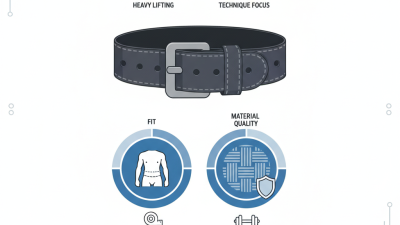
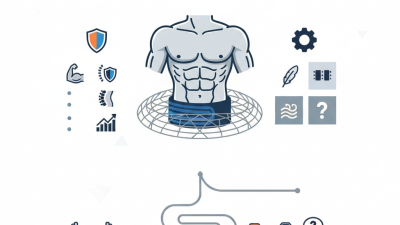
Nylon belts are commonly selected for strength training because they combine flexibility, low weight, moisture resistance, and adjustable support. The chart uses a practical 1–10 suitability scale based on the typical performance characteristics of nylon compared with the functional needs of resistance training.
A suitable nylon weightlifting belt should provide secure fastening, comfortable lumbar coverage, sufficient stiffness for bracing, and reliable performance during repeated training sessions. A wider belt around 10 cm is commonly used for stable trunk support, while hook-and-loop fastening allows quick adjustment between exercises.
How to Evaluate Chinese Nylon Weightlifting Belt Suppliers
China Best Nylon Weightlifting Belt Supplier?
How to Evaluate Chinese Nylon Weightlifting Belt Suppliers
China offers many nylon weightlifting belt suppliers, but the lowest quotation can hide weak stitching or unstable sizing. McKinsey’s Sporting Goods 2024 report estimates about 6% annual industry growth from 2021 to 2023. This pressure encourages faster production. Buyers should examine material specifications, not only factory photos. Request nylon webbing weight, belt width, buckle material, foam thickness, and stitching density. Ask for production samples from different batches. One sample is not enough.
A reliable supplier should provide traceable inspection records and clear corrective-action reports. The ISO Survey 2023 recorded more than 1.26 million ISO 9001 certificates worldwide. Certification supports process control, but it does not prove belt strength. Require independent load testing with your target weight and repeated fastening cycles. Check whether the buckle bends, the hook-and-loop surface collects lint, or the edge cuts into the waist. These details appear during use. A polished factory video proves little. I would also compare pre-production and final samples, although this step is often skipped.
Tips: Request a video inspection showing webbing rolls, sewing lines, and finished cartons. Confirm carton drop testing and moisture protection. Set an acceptable defect limit before ordering. Do not rely on “premium nylon” without a written fiber specification. A small pilot order may reveal more than a confident sales presentation. Mistakes still happen, especially when tolerances are vague.
Supplier Comparison: Materials, Customization, Pricing, and Capacity
Choosing the best nylon weightlifting belt supplier requires more than comparing unit prices. Experienced buyers should inspect webbing density, stitching, padding, buckle strength, and edge finishing. A dense nylon weave usually resists abrasion during repeated training. However, thicker material does not always mean better comfort. Ask for samples and test them under realistic movement, not only on a factory table.
Customization
Customization can include belt width, logo placement, colors, labels, packaging, and buckle styles. Confirm artwork dimensions before production. Small design changes may affect tooling costs or minimum order quantities. Pricing should show material, printing, packaging, and shipping separately. A cheap quotation may hide setup fees or weak stitching. I have seen suppliers promise fast delivery, but their actual capacity depended on one production line. That detail matters.
Tips:
Request a sample, test the closure repeatedly, and confirm the monthly output. Ask for a written lead time and an inspection standard. Compare the same specifications across suppliers, or the price comparison becomes unreliable. A useful supplier should explain limitations clearly, rather than agreeing to every request. Still, even careful checks can miss small production differences. Keep a pre-shipment inspection plan.
Steps for Choosing and Ordering from the Right Supplier
China Best Nylon Weightlifting Belt Supplier?
Steps for Choosing and Ordering from the Right Supplier
Choosing a nylon weightlifting belt supplier requires more than comparing prices. Check the supplier’s business registration, production experience, and quality control process. Ask for clear photos of the workshop and stitching areas. A reliable supplier should explain nylon density, belt width, buckle material, and size tolerance. Request a sample before discussing large orders. Hold it in your hands. Test the buckle, edge binding, and adjustment holes under repeated tension.
Send a detailed specification sheet with drawings, measurements, logo placement, packaging, and color references. Confirm the minimum order quantity, sample fee, production time, and payment schedule in writing. Ask whether the supplier performs strength tests on finished belts. Test reports should identify the sample, test method, and result date. Vague documents deserve caution. A cheap quote may hide thin webbing or weak stitching. That mistake becomes expensive later.
Before ordering, inspect a pre-production sample and approve a sealed reference piece. Use an independent inspection when the order is important. Check random cartons for dimensions, labels, odor, loose threads, and buckle damage. Confirm shipping terms, export documents, and responsibility for defects. Do not rely only on polished online photographs. They can mislead. I would also leave room for revision. The first sample may feel stiff, fit poorly, or look different under warehouse lighting. A supplier willing to correct these details is often more valuable than the lowest bidder.