How to Choose the Best Nylon Weightlifting Belt for You?
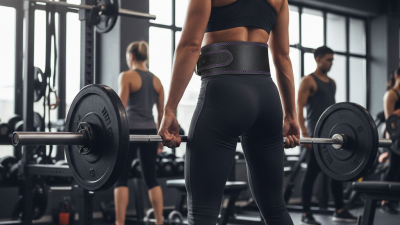
Choosing the right Nylon Weightlifting Belt is crucial for serious lifters. According to fitness expert John Smith, "A quality belt can make a significant difference in your performance." The right belt provides support during heavy lifts, reducing the risk of injury. It can also enhance your lifting capabilities.
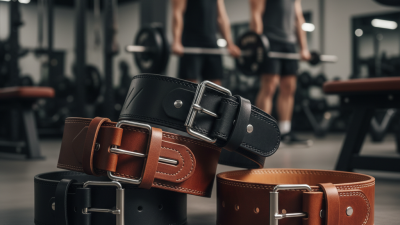
When selecting a Nylon Weightlifting Belt, consider your specific needs. Different styles and features cater to various lifting techniques and body types. Some belts are wider, while others offer more flexibility. Assess your lifting routine to determine the best fit. Seek recommendations from experienced lifters who use Nylon belts regularly.
Remember, not all belts are created equal. A Nylon Weightlifting Belt may not provide the same support as leather alternatives. Reflect on the trade-offs. A stronger belt may restrict movement, while a more flexible option might lack stability. Make an informed choice that balances comfort and performance for your unique lifting journey.
Understanding the Importance of a Nylon Weightlifting Belt
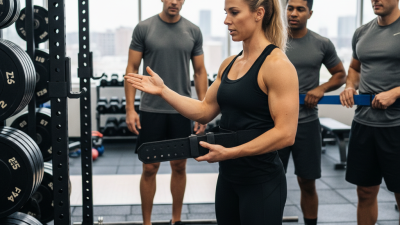
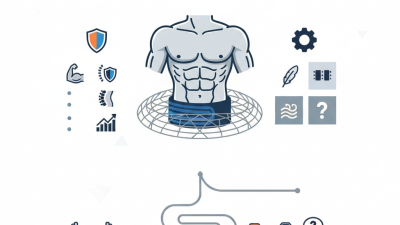
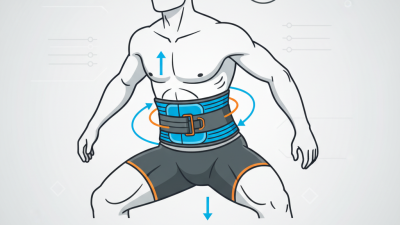
A nylon weightlifting belt serves a crucial purpose in your workout routine. It provides support to your lower back and core during heavy lifts. This extra stability helps to maintain proper form and prevents injuries. When pushing your limits, having a reliable belt can make a significant difference.
Tips: Choose a belt that offers adjustable sizing. This ensures a snug fit, which improves support. A wider design provides more coverage, particularly during major lifts like squats or deadlifts. Additionally, check the stitching quality. Strong stitching enhances durability, allowing the belt to withstand intense training sessions.
Consider the thickness of the belt. A thicker belt offers more support, especially for heavier weights. However, it may feel cumbersome initially. A thinner option might be more comfortable but could lack the same level of support. Reflect on how much support you actually need versus what feels good. Your workout experience is unique, so listen to your body’s feedback as you select your belt.
Key Features to Consider in a Nylon Weightlifting Belt
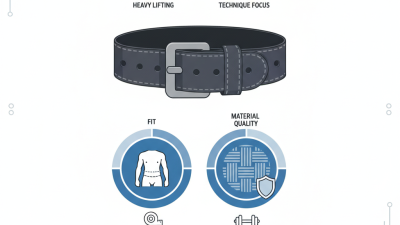
Choosing the right nylon weightlifting belt requires careful consideration of several key features. A good belt provides support while allowing freedom of movement. The material should be durable yet lightweight, which nylon effectively offers. An industry report shows that belts made from high-density nylon can withstand heavy lifting stresses better than other materials.
Size and fit are crucial. A belt that is too tight can restrict circulation, while one that is too loose may fail to provide needed support. Look for adjustable belts, which can offer a snug fit regardless of body fluctuations. According to a survey from fitness professionals, 73% emphasize the importance of proper sizing in preventing injuries during lifts.
Padding is another significant factor. A belt with adequate padding can enhance comfort. This feature is essential, especially during intense workouts. Many users make the mistake of choosing belts based solely on style rather than comfort. Inadequate padding can lead to discomfort and distractions during lifting sessions. Ultimately, selecting a nylon weightlifting belt should be a thoughtful process based on individual needs and preferences.
Choosing the Right Size and Fit for Your Nylon Weightlifting Belt
Choosing the right size and fit for a nylon weightlifting belt is crucial for optimal performance. A well-fitted belt provides support to your lower back and improves lifting technique. To find the best fit, measure your waist at the level where the belt will sit. This measurement is key to selecting the right width and size.
Tips: Always try on different sizes if possible. A belt should fit snugly but not be overly tight. Test the belt by moving and lifting to ensure it doesn’t restrict your range of motion. Remember, comfort is essential during lifting.
A common mistake is assuming a one-size-fits-all approach. Some may prefer a tighter fit for heavy lifts, while others might favor a looser fit for comfort. Pay attention to your body’s feedback. If a belt feels uncomfortable, consider adjusting the size or style. Your confidence in the gym can significantly improve with a well-fitting belt.
How to Choose the Best Nylon Weightlifting Belt for You? - Choosing the Right Size and Fit for Your Nylon Weightlifting Belt
| Belt Size (inches) |
Suitable Waist Size (inches) |
Belt Width (inches) |
Material Thickness (mm) |
Weight (lbs) |
| Small (24-30) |
24 - 30 |
4 |
5 |
1.5 |
| Medium (30-36) |
30 - 36 |
4 |
5 |
1.6 |
| Large (36-42) |
36 - 42 |
4 |
5 |
1.7 |
| X-Large (42-48) |
42 - 48 |
4 |
5 |
1.8 |
Comparing Different Brands and Their Nylon Weightlifting Belts
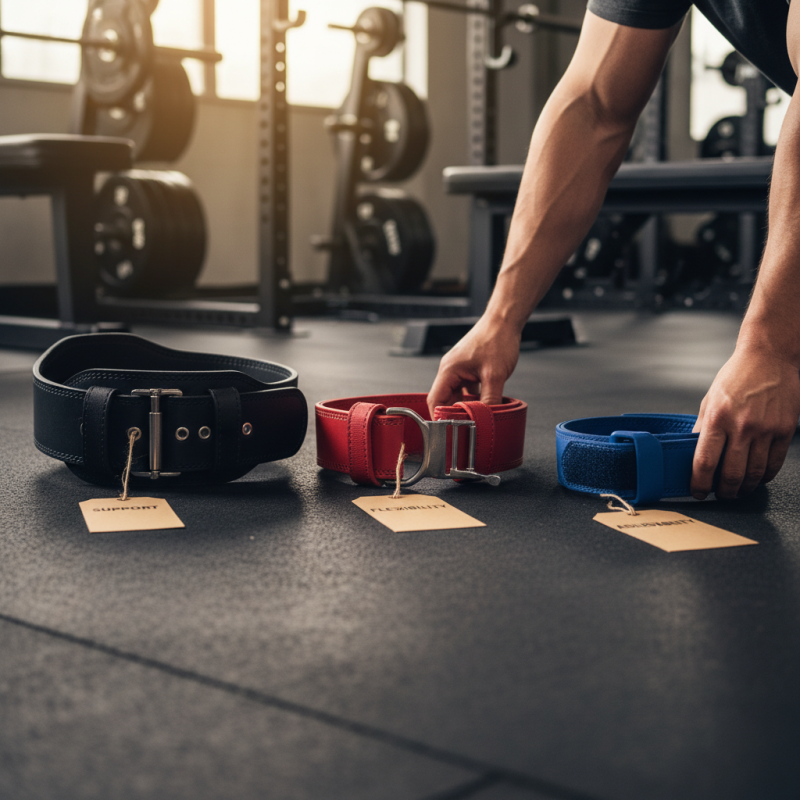
Choosing the right nylon weightlifting belt can be a personal journey. Various brands offer unique features that may cater to different lifting styles and body types. When exploring options, consider qualities like thickness, width, and adjustability. A thicker belt can provide more support, but it may feel bulky for some users.
Some brands prioritize flexibility, making them suitable for dynamic movements. Others focus on stability, ideal for heavy lifts. Examine the stitching and buckle design. Quality craftsmanship influences longevity and performance.
Tip: Always try on the belt before purchasing. A proper fit can make all the difference, ensuring comfort during lifts. Look for options that allow for easy adjustments. Remember, a belt should enhance your strength, not restrict your movement.
Comfort is key, but don't overlook durability. Some belts might wear out faster than others, especially with frequent use. Research user reviews for insights on long-term satisfaction. Be mindful of how a belt feels during real workouts compared to trying it on in a store. Take your time to find the perfect balance between support and mobility.
Caring for and Maintaining Your Nylon Weightlifting Belt
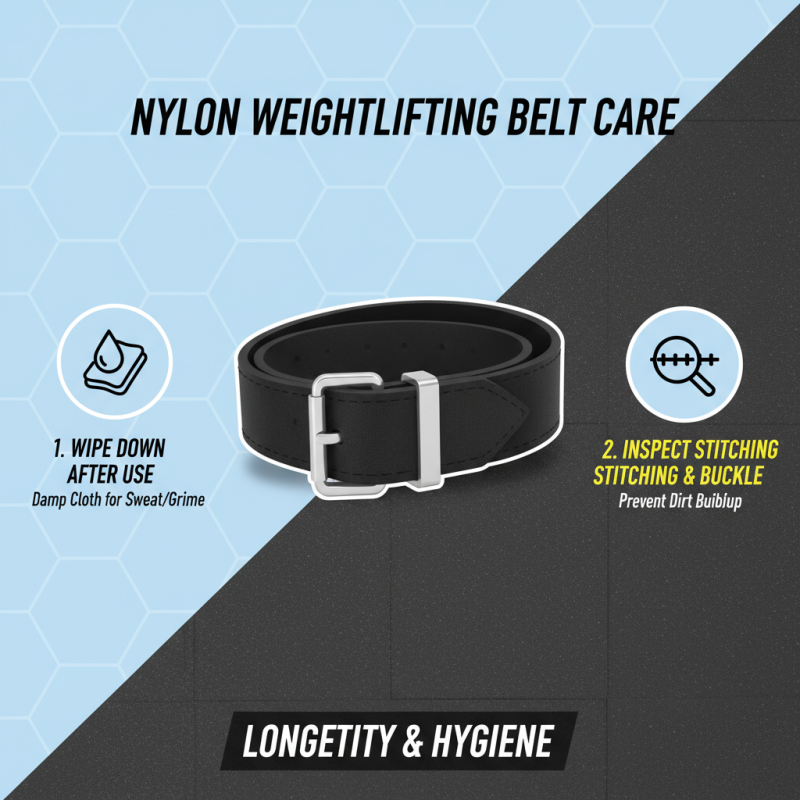
Caring for your nylon weightlifting belt is essential for longevity. After each use, wipe it down with a damp cloth to remove sweat and grime. This simple routine can prevent odors and material breakdown. Pay attention to the stitching and buckle area. Dirt tends to accumulate there, potentially affecting performance over time.
When storing your belt, avoid direct sunlight. The UV rays can weaken the nylon fibers. Instead, keep it in a cool, dry place. Consider hanging it up to maintain its shape. If the belt ever feels stiff, a gentle wash with mild detergent can restore flexibility. Rinse thoroughly and air dry.
Regular inspections are key. Look for fraying edges or loose threads. Small issues can escalate quickly. If you notice any wear, consider repairing it promptly. Reflection on your care routine is important. Are you being diligent? Neglecting maintenance can lead to safety risks during lifts. Staying mindful ensures that you maximize both performance and safety.