2026 How to Choose the Best Leather Weightlifting Belt?
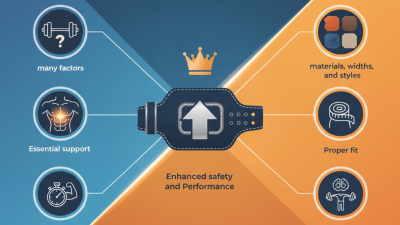
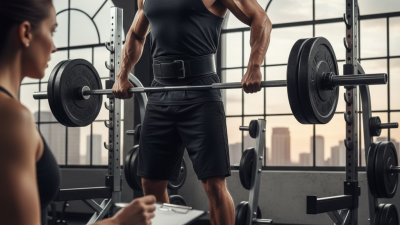
Choosing the best leather weightlifting belt is no small task. According to Jim Smith, a renowned strength coach, "A well-fitted belt can drastically improve your performance." This statement reflects the significant role that a leather weightlifting belt plays in enhancing lifting capabilities. With the right weightlifting belt, you can lift heavier and safer.
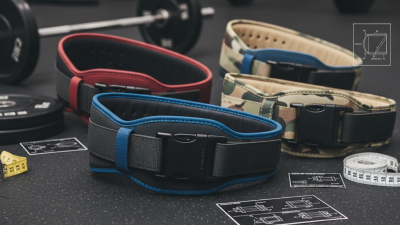
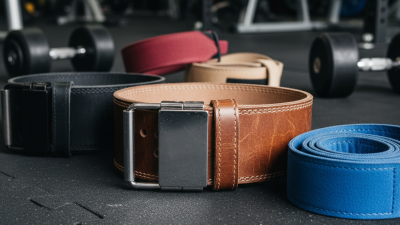
When selecting a leather weightlifting belt, consider the thickness and width. A thicker belt provides more support but might feel rigid initially. An ideal width should support your lower back while allowing for good mobility. Personal preferences vary, and not everyone adapts quickly to a belt. This is something to keep in mind while testing different options.
It’s crucial to choose a belt that complements your lifting style and body shape. This may require some trial and error. Do not rush the decision. A belt that feels great for one lifter may not work for another. It is essential to prioritize a proper fit and comfort over trendy designs. Ultimately, the right leather weightlifting belt is one that gives you confidence in the gym and helps protect your body during lifts.
Factors Influencing the Choice of Leather Weightlifting Belts
When selecting a leather weightlifting belt, consider several key factors. The thickness of the leather significantly impacts support and comfort. Generally, belts range from 10mm to 13mm in thickness. A thicker belt usually provides more support but may feel less flexible. Assess your lifting style. If you rely heavily on squats and deadlifts, a firmer fit will likely serve you better.
The quality of the leather is crucial. Full-grain leather offers durability and a better grip. However, it may require a break-in period. Understanding your tolerance for this transition is important. Evaluate the belt's width as well. A standard width is about 4 inches, but some lifters prefer variations for specific lifts.
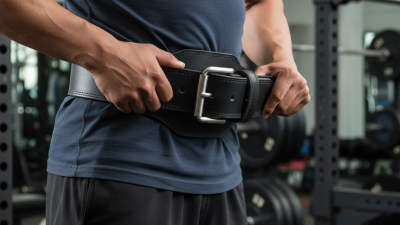
Fit is another essential aspect. A belt that is too tight can restrict movement, while one that is too loose won't provide adequate support. Measure your waist accurately to ensure a snug, comfortable fit. Remember, the right belt enhances performance, but it shouldn’t hinder your natural lift. Adjusting to a new belt can take time and patience. Consider how it affects your lifts and avoid rushing the process.
Understanding the Different Thicknesses of Leather Belts for Lifters
When selecting a leather weightlifting belt, thickness plays a crucial role. The most common thicknesses available are 4mm, 6mm, and 10mm. Each variation caters to different lifters and their specific needs. Thinner belts may offer more flexibility, allowing for a wider range of motion. However, they might not provide the same level of support for heavy lifts.
Thicker belts, especially those at 10mm, provide enhanced stability. They help maintain core compression during heavy squats and deadlifts. Yet, some lifters feel restricted in their movement. This trade-off between support and mobility can spark debate among weightlifting enthusiasts. Personal experience and body type are essential factors in determining the right thickness.
Understanding your lifting style is vital. Some find a middle ground with a 6mm belt, offering a balance between support and flexibility. But beginners may struggle to decide what thickness to choose. It can be helpful to experiment with different options before settling on one. Ultimately, there is no perfect choice; each lifter must reflect on their own comfort and performance needs.
Evaluating Buckle Types and Their Impact on Performance
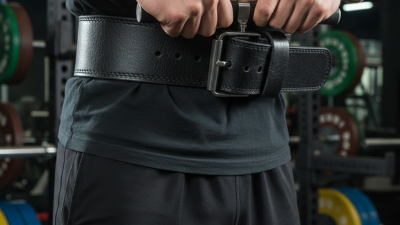
When selecting a leather weightlifting belt, buckle type plays a crucial role in performance. The choice between a traditional prong buckle and a lever buckle can significantly impact both comfort and support during lifts. A study from the National Strength and Conditioning Association (NSCA) shows that belts with a secure buckle provide better intra-abdominal pressure, enhancing core stability. A secure connection allows for harder lifts and promotes safer technique.
Many lifters prefer lever buckles for their quick adjustments. These buckles allow for easy tightening and loosening, which may lead to better performance during intense sessions. However, they can be challenging to adjust for people with rapidly changing body sizes. The flexibility of a prong buckle often allows for precise fitting, but it may require more effort to adjust mid-workout. This versatility can be beneficial, particularly for athletes who gain or lose weight frequently.
Take some time to assess your lifting style. Reflect on how often you need to adjust your belt. Consider your long-term goals. Perform trials with different types before making a decision, as the right buckle can greatly influence your lifting experience. Always prioritize comfort and functionality to find a suitable match for your training needs.
The Role of Belt Width in Supporting Heavy Lifts
Choosing the right leather weightlifting belt involves understanding various factors that contribute to performance. Belt width plays a significant role in how well it supports heavy lifts. A wider belt provides more surface area to stabilize your torso during exercises. This gives essential support to the abdominal and lower back regions, especially during compound movements like squats and deadlifts.
The width of the belt generally ranges from 4 inches to 6 inches. A 4-inch belt is ideal for most lifters as it offers a balance of support and flexibility. However, a 6-inch width may benefit those lifting extremely heavy weights, as it covers a larger area of the back and can lead to better intra-abdominal pressure. When choosing a belt, consider how the extra width aligns with your lifting style and body shape.
When selecting a belt, focus on how it feels during your lifts. Make sure it doesn’t restrict your movements. Pay attention to how the belt fits snugly around your waist without digging in. It's also important to assess whether you feel uncomfortable after lifting sessions. A good lifting belt should support you without causing strain. Every lifter's needs differ, so do not hesitate to try various options.
Sizing and Fit: Ensuring Maximum Comfort and Efficiency
Choosing the right size and fit for a leather weightlifting belt can greatly impact your training efficiency and comfort. A study conducted by the National Strength and Conditioning Association indicates that proper belt size can enhance intra-abdominal pressure, providing better support during lifts. This support is crucial for maintaining proper form and preventing injury.
When selecting a weightlifting belt, it's essential to measure your waist accurately. Use a soft tape measure around your midsection, just above the hip bones. Ensure that you're in a relaxed posture, as tension can misguide measurements. Consider that different belts can have different sizing charts. For optimal comfort, choose a belt that fits snugly without being restrictive. Remember that a loose belt will offer little support.
Choosing a belt with the right width also matters. Typically, a width of 4 inches is standard for powerlifting, while a slightly slimmer design may benefit general weightlifting. Be aware that some find wider belts cumbersome. A belt that feels uncomfortable during a workout can distract you from your performance, potentially leading to mistakes in technique.
Adjustability is another factor worth contemplating. Many belts offer multiple settings, allowing for customization based on your lifting routine and body changes. A well-fitted belt should move with you, not against you. Reflect on your comfort after each lifting session; adjustments may be needed as your training progresses.