How to Choose the Best Fitness Waist Support for You?
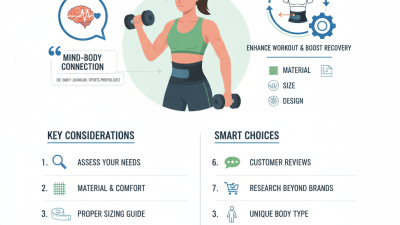
Choosing the best Fitness Waist Support can be a daunting task. With numerous options available, determining what suits your body and needs is crucial. According to Dr. Lisa Carter, a renowned sports physiotherapist, "The right waist support not only enhances performance but also minimizes injury risk." This emphasizes the importance of making an informed decision.
When selecting a Fitness Waist Support, consider your activity level and body type. Each product is designed for different intensities of exercise. For example, a lightweight support may suffice for yoga, but a sturdier option is needed for high-intensity training. Fit and material also play critical roles in comfort and effectiveness.
Many individuals overlook the necessity of trying several options before deciding. It’s common to feel overwhelmed by choices. What feels good in the store may not perform well during workouts. Reflecting on past experiences can guide your present choices. Always prioritize comfort, stability, and adequate support in your final selection.

Understanding Waist Support: Definition and Purpose in Fitness
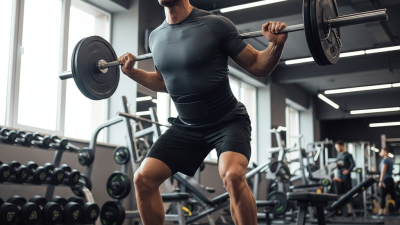
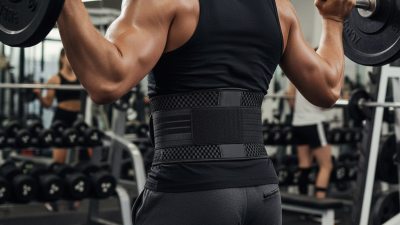
Waist support serves an important function in fitness routines. It provides stability to the core, aiding in proper posture during exercises. This support can help prevent injury, particularly in weightlifting and high-impact workouts. For those who struggle with back pain, a well-fitted waist support can offer relief. It enhances confidence, allowing individuals to push their limits safely.
When choosing waist support, consider comfort and fit. The material should allow for movement without restricting it. Some may find that overly tight supports cause discomfort, limiting their activity. It is crucial to assess how support feels during workouts. Feedback from the body is vital; discomfort can lead to poor form and injury.
Understanding personal fitness goals is equally essential. For instance, someone focused on strength training may need different support than a casual jogger. The right waist support can make a significant difference. Yet, it is not a magic solution. Relying solely on it may mask underlying issues, like weak core muscles. Balance is key, along with regular assessments of your fitness journey.
Key Factors to Consider When Choosing Waist Support for Fitness
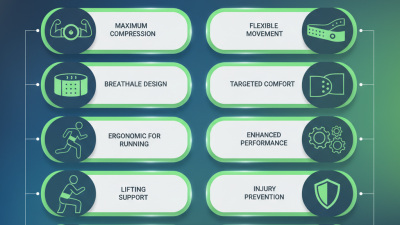
Choosing the right fitness waist support can significantly impact your workout experience. When selecting a waist support, consider the material first. A breathable and moisture-wicking fabric is vital for comfort. Reports indicate that breathable materials can reduce sweat buildup by up to 40%. If the fabric traps heat, it can lead to discomfort during exercise.
Another key factor is the support level. Some waist supports offer mild compression, while others provide firm support. According to a study from the American Council on Exercise, adequate support can improve core stability and reduce injury risk by 30%. Ensure the fit is snug, but not overly tight; you should be able to move freely.
Remember to think about the design as well. Some waist supports come with additional features, like extra pockets or adjustable straps. While these can enhance usability, they might also add bulk. It’s crucial to reflect on what features are essential versus ones that may complicate your routine. A balance between function and simplicity can help you make the best choice for your fitness journey.
Types of Waist Supports and Their Benefits: An In-Depth Overview
When selecting a fitness waist support, consider the various types available. There are compression belts, posture trainers, and thermal waist wraps. Each type serves a unique purpose and offers distinct benefits. Compression belts are known for providing stability during workouts. They can help reduce the risk of injuries by supporting the core. According to a study published by the Journal of Sports Medicine, the use of compression gear can improve exercise performance by 5-10%.
Posture trainers, on the other hand, focus on alignment. They encourage proper body mechanics during physical activities. This type can be particularly beneficial for those with sedentary lifestyles. A report from the American Physical Therapy Association notes that proper posture reduces back pain by up to 50%. Meanwhile, thermal wraps increase sweat production. They provide a sense of warmth, which can be motivating for individuals in weight-loss programs. Research from the Journal of Obesity highlights that sweating can enhance the perception of calorie loss.
Choosing the right type involves personal trial and adjustment. Not every waist support will fit every body type or workout style. Feedback from users indicates that comfort is key. If a fit is overly restrictive, it becomes counterproductive. Listening to your body's response is crucial. The right waist support should enhance your experience, not hinder it.
How to Choose the Best Fitness Waist Support for You? - Types of Waist Supports and Their Benefits: An In-Depth Overview
| Type of Waist Support |
Benefits |
Ideal For |
| Neoprene Waist Trainer |
Provides heat retention for muscle warmth, helps in sweating during workouts. |
Weight loss enthusiasts, those who engage in cardio workouts. |
| Lumbar Support Belt |
Alleviates back pain, supports lower back, improves posture. |
Individuals with chronic back pain or those recovering from injuries. |
| Elastic Waist Support |
Provides moderate compression, enhances comfort during exercise. |
Casual exercisers, yoga practitioners. |
| Post-Surgical Abdominal Binder |
Supports recovery post-surgery, reduces swelling and discomfort. |
Post-operative patients, especially after abdominal surgery. |
| Customization Fit Waist Support |
Tailors support level, can be adjusted for various activities. |
Athletes, fitness enthusiasts who require specific support levels. |
The Role of Materials and Design in Waist Support Effectiveness
When selecting the best fitness waist support, the materials and design are crucial for effectiveness. Reports show that fabrics like neoprene and nylon provide excellent compression and comfort. These materials enable better breathability, which is essential during intense workouts. Comfort is vital; if a waist support is too tight, it may hinder movement and lead to injuries. A study found that improper fit can lead to a 30% decrease in performance.
Design plays a key role in ensuring support without restricting mobility. Look for waist supports with adjustable straps. These adaptations help to customize the fit for various body types. Additionally, some designs incorporate flexible stays for extra support while allowing natural movements. This design element can significantly reduce the risk of strains or sprains.
Tip: Always measure your waist before purchasing. Sizes can vary across designs, and getting the right one can enhance both comfort and support. Tip: Try on different styles while bending and twisting. This ensures you find a waist support that keeps you agile and protected during workouts. Remember, even the best materials won't help if the design isn't suited to your body.
User Reviews and Recommendations: How They Influence Your Choice
When choosing a fitness waist support, user reviews become an invaluable resource. Real experiences from fellow users provide insight into the comfort and durability of different options. Many people highlight how the right support can enhance their workouts, reducing strain on their backs and encouraging proper posture. Observations about fit and flexibility can guide your decision. Users often note that finding the right size is crucial for optimal benefits.
Additionally, recommendations from trusted sources can significantly influence your choice. They often evaluate products based on performance and material quality. Users tend to appreciate products that are breathable and allow for a full range of motion. However, not all reviews are reliable. Some may be biased, promoting a product without genuine experience. It’s essential to read a variety of perspectives to gain a well-rounded understanding.
Consider the struggles fellow users faced. A common issue is discomfort after extended use. It raises questions about the long-term effectiveness of certain waist supports. Reflecting on others' experiences can prevent you from making a hasty decision. Ultimately, informed choices stem from a blend of personal needs and the collective wisdom of the community.