10 Essential Tips for Choosing the Best Fitness Waist Support
Choosing the right Fitness Waist Support is crucial for anyone serious about their fitness journey. As Dr. Emily Johnson, a certified sports physiologist, emphasizes, "A well-fitted waist support can enhance your workout and boost recovery." This statement highlights the importance of selecting a supportive and effective product.
In today's market, there is an abundance of options. Many designs promise to deliver, yet not all meet the necessary standards. Some may lack adequate support, while others might cause discomfort during exercise. Therefore, understanding your specific needs is essential. Consider factors like material, size, and design. The right choice can significantly impact your performance and comfort level.
It’s also vital to remember that not all waist supports are created equal. Relying solely on brand names can be misleading. It's crucial to examine customer reviews and feedback. This process may feel daunting, but it ensures you invest wisely in your fitness journey. Being aware of your unique body type and requirements can lead to a more fulfilling experience with your Fitness Waist Support.
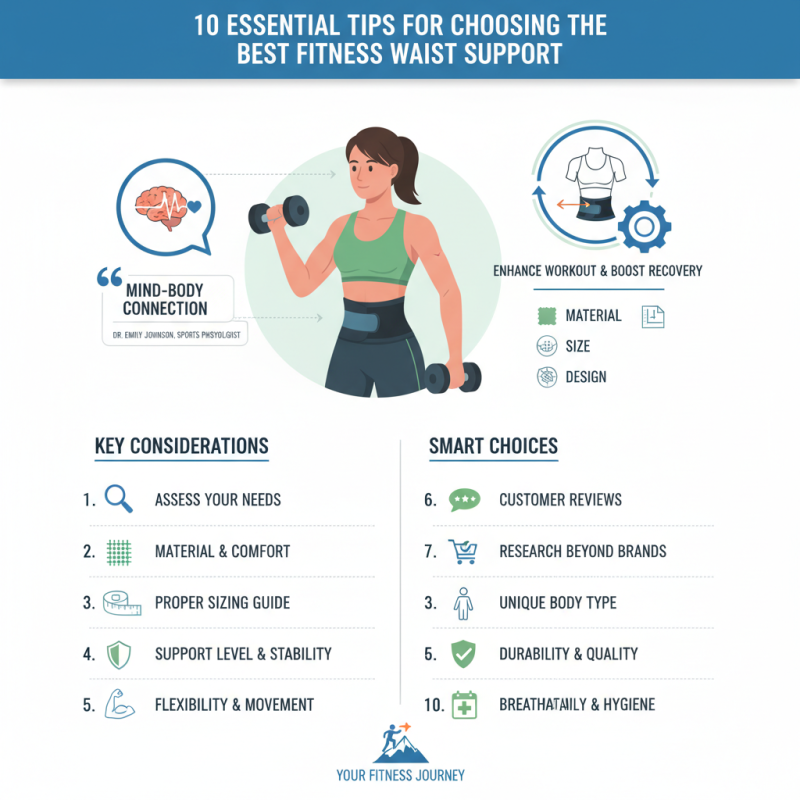
Key Factors to Consider When Choosing Fitness Waist Support
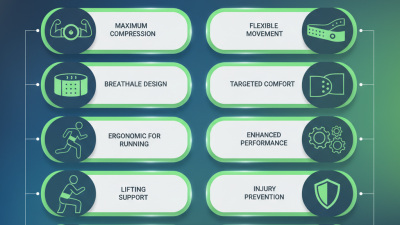
When selecting the best fitness waist support, several key factors should be considered. Comfort is paramount. If the support isn’t comfortable, you’ll likely avoid using it. Look for materials that are soft yet durable. Breathable fabrics help reduce sweating during workouts.
Fit is another crucial aspect. A well-fitting waist support provides better stability and restricts unnecessary movement. Pay attention to adjustable features. This flexibility allows you to customize the fit. An ideal design hugs your waist, offering support without being overly restrictive.
Seek out features that enhance safety. Some supports include additional elements, like reinforced stitching or non-slip technology. These can contribute to a more secure experience while working out. It’s also important to reflect on your personal fitness goals. Consider how the waist support will assist in achieving those targets, whether you are lifting weights or engaging in cardio. Each person’s needs are different, so understanding your body is essential.
Understanding Different Types of Waist Supports Available in the Market
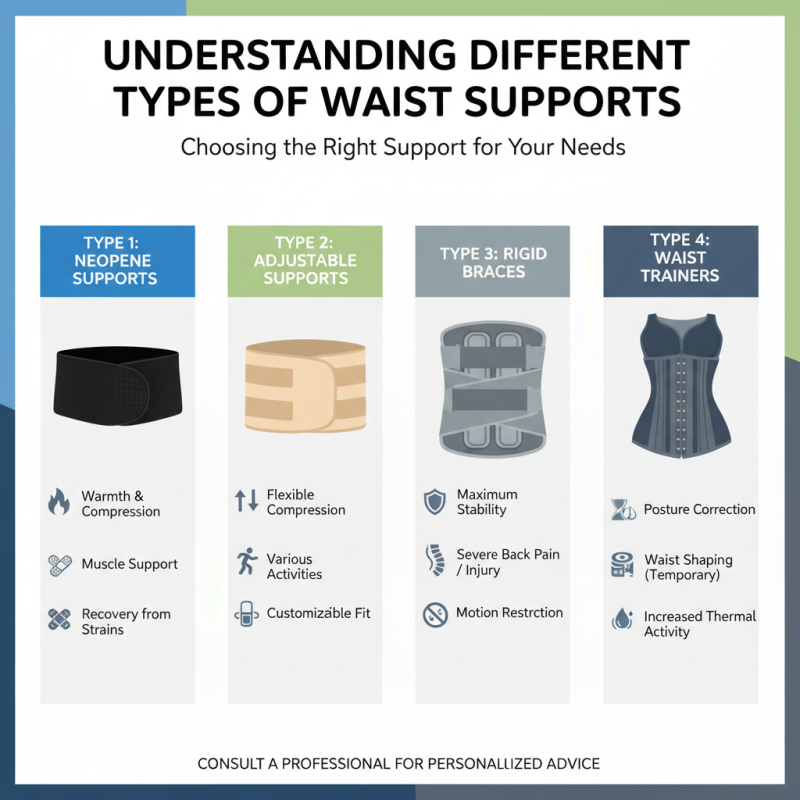
Choosing the right fitness waist support requires understanding the types available in the market. Many options cater to various needs, from those who want added stability during workouts to those seeking relief from back pain. For instance, neoprene supports offer warmth and compression, making them ideal for those recovering from strain. On the other hand, adjustable supports provide flexibility for different activities.
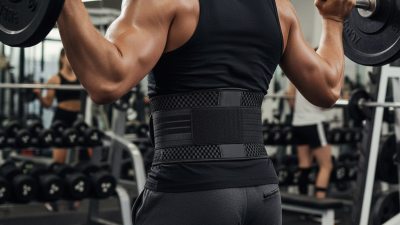
When selecting a waist support, consider comfort. An ill-fitting support can hinder movement. Test how it feels during light activities. The level of support should match your fitness goals. If you're lifting heavy weights, a firmer option might be necessary. If you want something for light cardio, a softer base could do the trick.
Another factor is breathability. Materials that trap heat can lead to discomfort. Choose breathable fabrics for long workouts. It’s helpful to read reviews from various users. Everyone's body reacts differently. So, a product that works for one person might not work for another. Reflect on your own experiences as you narrow down your choices. A thoughtful approach will guide you to the best support for your fitness journey.
Evaluating Material Quality and Comfort for Optimal Performance
Choosing the right fitness waist support is crucial for your workout routine. One of the key factors is material quality. Look for breathable fabrics that wick away moisture. A comfortable fit encourages longer usage during intense workouts. Check the elasticity of the material as well. It should provide support without restricting movement.
Comfort is also vital. A waist support should feel like a second skin. Too tight, and it can impede circulation. Too loose, and it won't offer adequate support. Try on different styles and adjust them. Walk or stretch to see how they move with your body. Comfort directly affects your performance.
Don't overlook the impact of seam quality. Poorly constructed seams can lead to discomfort and chafing. Inspect the stitching before purchasing. Additionally, ask for user feedback. Online reviews often highlight long-term comfort issues. Reflect on your unique needs as well. A waist support for running differs from one for weightlifting. A thoughtful choice can enhance your fitness journey significantly.
Sizing and Fit: How to Ensure Proper Support Without Restriction
Choosing the right fitness waist support is crucial for both comfort and effectiveness. Proper sizing ensures that the support remains snug without being restrictive. It’s vital to measure your waist correctly. Use a measuring tape and assess the size where the support will sit. This guarantees a fit that offers adequate support without cutting into your skin.
Always pay attention to how the material feels against your skin. Some materials may cause chafing or irritation during workouts. If you feel discomfort, it might be time to reconsider your choice. It can be tempting to pick a waist support based purely on appearance, but function should be your priority. A well-fitted support will not only enhance your workouts but also promote better posture.
When trying on waist supports, move around. Bend, twist, and stretch to test its flexibility and comfort. You should feel secure but not limited in your movements. Be mindful; even a seemingly small size difference can impact your performance. Reflect on your experiences with past supports, as they can guide your selection process. Proper support will lead to better results and a more enjoyable fitness journey.
Tips for Maintaining and Caring for Your Fitness Waist Support
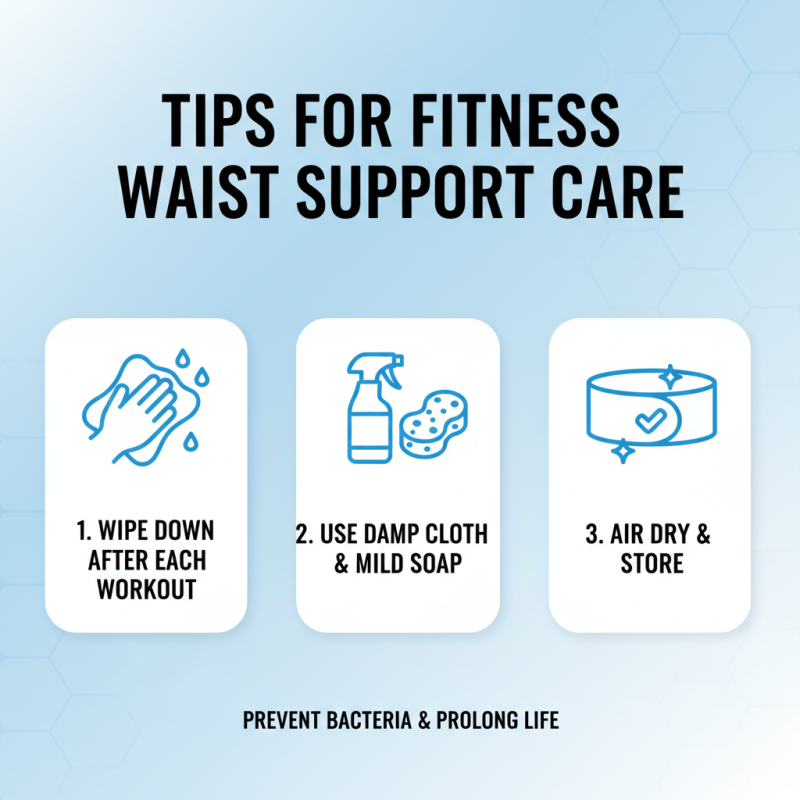
Maintaining your fitness waist support is crucial for its longevity and effectiveness. After each workout, wipe it down with a damp cloth to remove sweat and dirt. This prevents bacteria build-up and keeps the material fresh. Regular cleaning can prolong its lifespan significantly.
Store your waist support in a dry, cool place, away from direct sunlight. High temperatures can damage elastic materials, leading to wear and tear. If your waist support has adjustable straps, ensure they are not twisted or tangled when storing. This simple step maintains the fit and appearance.
Inspect your waist support weekly for any signs of wear. Pay attention to seams and closures. Small tears can worsen if neglected. Take the time to fix minor damage before it becomes a bigger problem. Reflect on how you use it; improper usage can lead to quicker deterioration. Quality care is as important as the support itself.