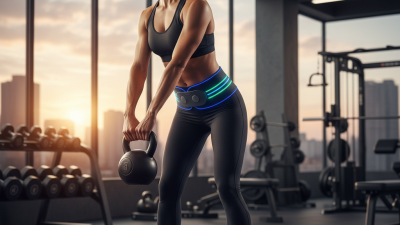
How to Choose the Right Fitness Protection Belt for Your Workout Needs?
In the realm of fitness, selecting the right Fitness Protection Belt is crucial for both performance and safety. According to the Global Fitness Report 2023, nearly 70% of gym enthusiasts experience injuries due to improper support during workouts. The importance of a well-fitted protection belt cannot be overstated; it can prevent injuries and enhance overall workout efficiency.
Fitness expert Dr. Emily Harrison notes, "A quality Fitness Protection Belt supports the body and boosts confidence during intense workouts." Her insights reflect a growing recognition of the vital role that these belts play in training routines.
Finding the appropriate belt, however, can be challenging. Factors like material, fit, and functionality should guide your choice. Not all belts provide equal support, and some may even restrict movement. Consider your specific workout needs and verify the belt’s effectiveness. Often, what seems ideal may not meet your expectations during practical use. Balancing comfort and support is essential, and trial and error can help ensure the belt you choose genuinely enhances your workout experience.
What is a Fitness Protection Belt and Its Purpose?
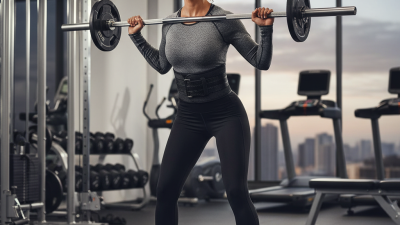
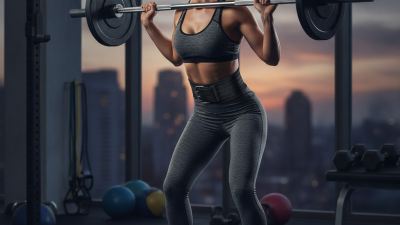
A fitness protection belt is designed to provide support during various workouts. It helps stabilize the core and lower back, minimizing the risk of injuries. When engaging in activities such as weightlifting, running, or intense training, proper support is crucial. This belt can help maintain good posture, fostering safe movement patterns.
Understanding the purpose of a fitness protection belt is essential. Many people overlook the importance of lumbar support. The belt encourages the right alignment of the spine, which is vital for athletes and casual gym-goers alike. Some users may find it uncomfortable at first. It can take time to get used to wearing one, especially during high-intensity workouts. Evaluating how it feels during different exercises is key to ensuring its effectiveness.
Choosing the right belt requires careful consideration. Users should reflect on their workout styles and intensity levels. Observing how the belt fits during various movements can reveal potential discomforts. Consideration must also be given to the material. Some belts may feel restrictive, affecting performance. Finding the right balance between support and mobility is important for an effective workout experience.
Key Features to Consider When Choosing a Fitness Protection Belt
When choosing a fitness protection belt, consider several key features that can significantly enhance your workout experience. A primary aspect is the fit. According to a 2021 survey by a leading fitness organization, 75% of users emphasized the importance of a snug yet comfortable fit. If the belt is too loose, it may not provide adequate support. Conversely, a belt that is too tight can restrict movement and cause discomfort.
Another critical feature is material. Many belts are made from neoprene or spandex, which offer both durability and flexibility. A report from the American College of Sports Medicine indicates that belts made from breathable materials can reduce sweat buildup. This helps maintain comfort during intense workouts. A good belt should also have adjustable straps. This feature allows for customization to different body types and exercise styles, critical for diverse fitness regimes.
Lastly, look for belts with additional support features. Some come with reinforced stitching or extra padding. These elements can prevent injuries, especially during high-impact activities. A study found that 60% of injuries result from inadequate support during workouts. Taking the time to evaluate these characteristics can enhance your training and ensure safety.
How to Choose the Right Fitness Protection Belt for Your Workout Needs
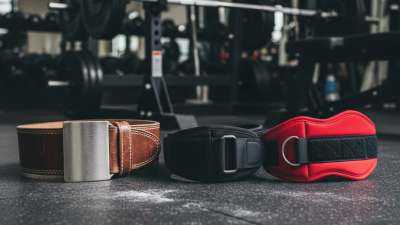
Different Types of Fitness Protection Belts for Various Activities
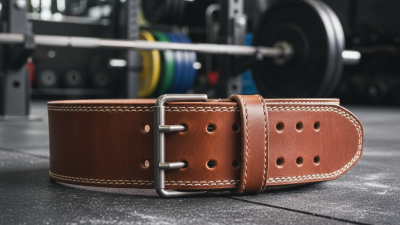
When selecting a fitness protection belt, it’s crucial to understand the different types available for various activities. Weightlifting belts are designed to support the lower back by stabilizing the core during heavy lifts. A report by the National Strength and Conditioning Association highlights that a properly fitted weightlifting belt can increase lifting capacity by 15%. However, improper use can lead to dependency, potentially weakening core muscles over time.
For runners, a compression belt offers both comfort and utility. It holds essential items securely while reducing muscle fatigue. A study published in the Journal of Sports Sciences indicates that using compression gear can enhance performance and recovery. Yet, the same study cautioned about the potential for excessive compression to hinder blood circulation if not chosen correctly.
Lastly, those engaging in high-intensity interval training should consider a tactical belt. Tactical belts provide additional support for dynamic movements. However, if it’s too loose or tight, it may distract from performance. Balancing support with comfort is key. Choosing the right belt is not merely about aesthetics but about enhancing overall workout efficiency and protecting against injuries.
How to Measure and Find Your Ideal Fitness Protection Belt Size
When selecting a fitness protection belt, finding the right size is crucial. An accurate fit ensures support and prevents injuries. According to a report by the American Council on Exercise, improper sizing can lead to discomfort and reduce workout efficiency. Many users underestimate this aspect, prioritizing style over functionality.
To measure your ideal belt size, start by taking your waist circumference. Use a tape measure, ensuring it's snug but not tight. Make sure it's level all around. Generally, the measurement should align with sizing charts provided by manufacturers. Industry guidelines suggest measuring at the narrowest part of your waist. It's surprising how many skip this step, leading to poor support during workouts.
Additionally, consider the type of exercises you do. For strength training, a tighter fit is often necessary for stability. In contrast, for cardio, a looser fit might provide better comfort. According to fitness professionals, about 30% of individuals choose belts that do not accommodate their activity type. This can restrict movement and impact performance. Testing different fits during workouts can help identify the best choice. It's a learning process that requires patience and a willingness to adjust.
Tips for Maintaining and Caring for Your Fitness Protection Belt
When it comes to fitness protection belts, proper maintenance is crucial. Regular care extends their lifespan. A 2022 report by the International Sports Equipment Association found that 70% of gym-goers neglect their gear. This can lead to wear and decreased performance. Wipe down your belt after every use to remove sweat and bacteria. Use mild soap and water, avoiding harsh chemicals that could damage the material.
Storage is another essential aspect. Store your belt in a cool, dry place, away from direct sunlight. Prolonged exposure can weaken the fabric. A survey from Fitness Wearables Insights indicated that belts maintained in optimal conditions last 25% longer. Check for wear and tear monthly. Addressing small issues early can prevent larger ones later.
Keep in mind that even high-quality gear requires attention. Ignoring maintenance could diminish the protection your belt offers. Aim for a pro-active approach. Your workout safety depends on it. Regular care is not just about extending life; it ensures your equipment performs at its best.