How to Choose the Right Fitness Protection Belt in 2026?
Choosing the right Fitness Protection Belt in 2026 is not simply a matter of picking the thickest model. Comfort, fit, movement, and intended use all affect its value during training. A belt that feels secure in the shop may pinch your ribs during squats or slide when you bend forward.
Dr. Stuart McGill, a leading spine biomechanics researcher, has repeatedly stressed a practical principle: “A belt is not a substitute for good technique.” That warning remains important. A Fitness Protection Belt should support controlled movement, not encourage heavier lifting before your body is ready. It should also match your activity, whether you train with weights, cycle, perform functional exercises, or need gentle support during rehabilitation.
Small details matter. Measure your waist while standing naturally, not while pulling your stomach inward. Check the fastening system with one hand. Sit, hinge, and take a deep breath before deciding. The edges should not dig into your skin, and the belt should not restrict normal breathing.
Not every popular design is suitable.
Some belts feel protective but become uncomfortable after twenty minutes. Others offer strong compression but limit natural movement. This guide compares materials, width, adjustability, support levels, and practical safety considerations. It also examines where product claims become unclear, because marketing language can sound more scientific than the evidence behind it. Individual needs differ, and persistent pain deserves assessment from a qualified healthcare professional. The best choice is usually the belt you can wear correctly, consistently, and without changing your technique.
Understanding the Purpose and Types of Fitness Protection Belts
How to Choose the Right Fitness Protection Belt in 2026?
Understanding the Purpose and Types of Fitness Protection Belts
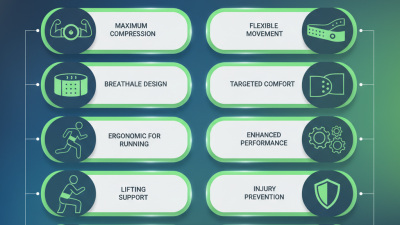
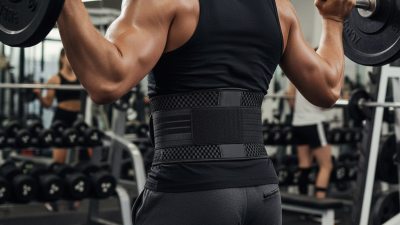
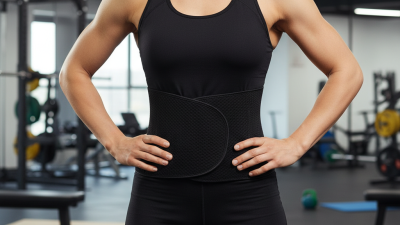
Choosing a belt starts with its purpose, not its thickness. Fitness protection belts are not one product. A rigid weightlifting belt supports abdominal bracing during heavy squats, deadlifts, and presses. An elastic lumbar belt offers warmth, tactile feedback, and light support. A pelvic or hip belt may suit activities requiring controlled movement and extra stability. Neither replaces technique.
The World Health Organization’s 2022 Global Status Report on Physical Activity estimated that 31% of adults worldwide were insufficiently active. More people may now return to training gradually, often with different mobility and strength levels. The belt should match the exercise, not hide poor preparation. A stiff belt can feel secure, but excessive tightness may restrict breathing and natural movement. I have seen this mistake in gyms: users choose the widest model, then brace less effectively.
ACSM’s 2025 Worldwide Survey of Fitness Trends ranked wearable technology first and traditional strength training fifth. This reflects a stronger demand for measurable, personalized exercise. Still, belt selection needs practical testing. Check whether the belt stays flat, allows full inhalation, and does not pinch when sitting or hinging. Use it for demanding sets, not every movement. Current evidence supports belts as performance tools more clearly than universal injury prevention devices, so claims should remain cautious. A qualified exercise professional can assess fit, lifting mechanics, and individual limitations.
Assessing Support, Fit, Comfort, and Material Quality
How to Choose the Right Fitness Protection Belt in 2026?
A useful fitness protection belt should support movement, not restrict it. In coaching sessions, I check support during squats, deadlifts, and loaded carries. The belt should feel firm around your midsection. It should not pinch your ribs or dig into your hips. You should still breathe deeply and brace naturally. Too much pressure can create false confidence.
Fit matters more than appearance. Measure your waist where the belt will sit during training. Try it with your usual workout clothing. A properly fitted belt stays in place without constant tightening. Walk, bend, and perform a light warm-up before judging it. It may feel awkward at first. That discomfort deserves attention, not stubbornness.
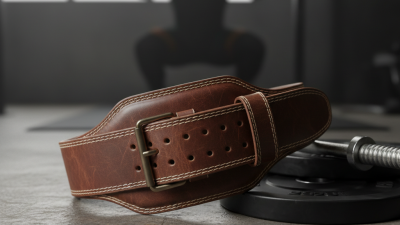
Material quality affects comfort and service life. Inspect the stitching, buckle, closure, and inner lining carefully. Strong leather can offer rigid support, while neoprene usually feels lighter and more flexible. Neither material suits every athlete. Look for smooth edges and secure hardware. Sweat, dust, and repeated bending reveal weak construction quickly. Clean the belt according to its care instructions, and let it dry fully. I have sometimes chosen a stiffer belt too early, then regretted it during longer sessions. A trained fitness professional can check your technique and help match the belt to your actual training needs.
How to Choose the Right Fitness Protection Belt in 2026?
Assessing support, fit, comfort, and material quality
How to use this chart: Treat the percentages as a practical decision framework rather than a laboratory rating. Prioritize support for demanding or repetitive activity, fit for secure positioning without excessive compression, comfort for longer wear, and material quality for durability, breathability, and skin contact.
A suitable belt should remain stable during movement, allow comfortable breathing and mobility, use adjustable sizing, and have materials appropriate for repeated washing and regular skin contact.
Checking Safety, Adjustability, Durability, and Maintenance
Choosing a fitness protection belt starts with safety, not appearance.
The WHO Global Status Report on Physical Activity 2022 estimates that 1.8 billion adults lacked sufficient activity in 2022. As strength training grows, equipment quality matters more. ACSM’s Worldwide Survey of Fitness Trends 2025 also placed traditional strength training among leading global trends. However, a belt cannot correct poor lifting technique or replace controlled breathing.
A suitable belt should sit firmly around the waist without pressing the ribs. Try several body positions, including a deep squat and hip hinge. A secure adjustment system prevents sudden loosening during heavy effort. Check the stitching, edge binding, buckle, and inner padding by hand. Thick materials may feel durable, but excessive stiffness can restrict movement. I have found that comfort often reveals problems earlier than visible damage. Still, comfort alone is not proof of protection. Look for clear load guidance and testing information from the manufacturer.
Tips:
Measure your waist while standing relaxed, not after training. Leave room for normal breathing. Inspect loose threads before every session. Wipe sweat away after use, then air-dry it fully. Avoid storing the belt while damp. Replace it when cracks, stretched holes, or bent hardware appear. I sometimes keep worn equipment too long; that is a mistake worth questioning.
Comparing Products and Making a Confident Choice in 2026
How to Choose the Right Fitness Protection Belt in 2026?
In 2026, compare belts by function, not dramatic promises. The Sports & Fitness Industry Association’s 2024 Topline Report recorded 61.9 million U.S. participants in traditional strength training during 2023. That participation level makes comfort, fit, and durability important buying factors. A belt may improve bracing during heavy, controlled lifts. It cannot replace sound technique or medical advice.
Leather belts usually provide firm, consistent support for heavy squats and deadlifts. Nylon belts feel lighter and offer easier adjustment during varied workouts. Hybrid designs balance structure and flexibility. The American College of Sports Medicine’s 2025 Worldwide Survey of Fitness Trends identifies traditional strength training as a continuing mainstream practice. Choose stiffness according to your training. Beginners often need movement freedom. Advanced lifters may prefer stronger resistance.
Measure your waist at the belt’s wearing position, not your trouser size. Check whether the closure stays secure during repeated bracing. The belt should feel supportive, not painfully tight. I once assumed the stiffest option was automatically safest. That assumption was incomplete. A rigid belt can restrict movement when the exercise demands flexibility. Try several breathing positions before purchasing. Also inspect stitching, edge finishing, buckle security, and return terms. The National Strength and Conditioning Association emphasizes individualized equipment selection, progressive loading, and coaching judgment. A useful belt supports those principles without becoming a shortcut.