10 Tips for Choosing the Best Fitness Waist Support for Your Workout
Choosing the right Fitness Waist Support is crucial for optimizing workout performance. According to a report by the American Council on Exercise, nearly 70% of fitness enthusiasts experience back discomfort during routines. A well-designed waist support can alleviate this issue, allowing users to focus on their training.
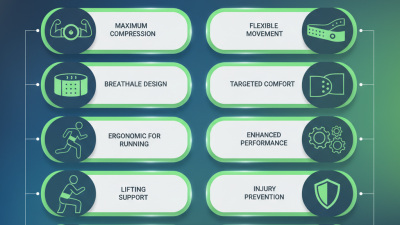
When selecting a waist support, consider factors like material, fit, and intended use. Research shows that waist supports made from breathable fabrics offer superior comfort. Avoid supports that are overly restrictive, as they might impede movement and decrease effectiveness. Fitness experts recommend trying on various options to find one that provides ample support without limiting mobility.
It's important to note that not all waist supports are created equal. Some may fail to meet user needs, leading to frustration and lack of motivation. Investing time in finding the right product can make a significant difference in your workout experience. Using the correct Fitness Waist Support can enhance your results and keep you injury-free. Always prioritize your comfort and body’s signals when making your choice.
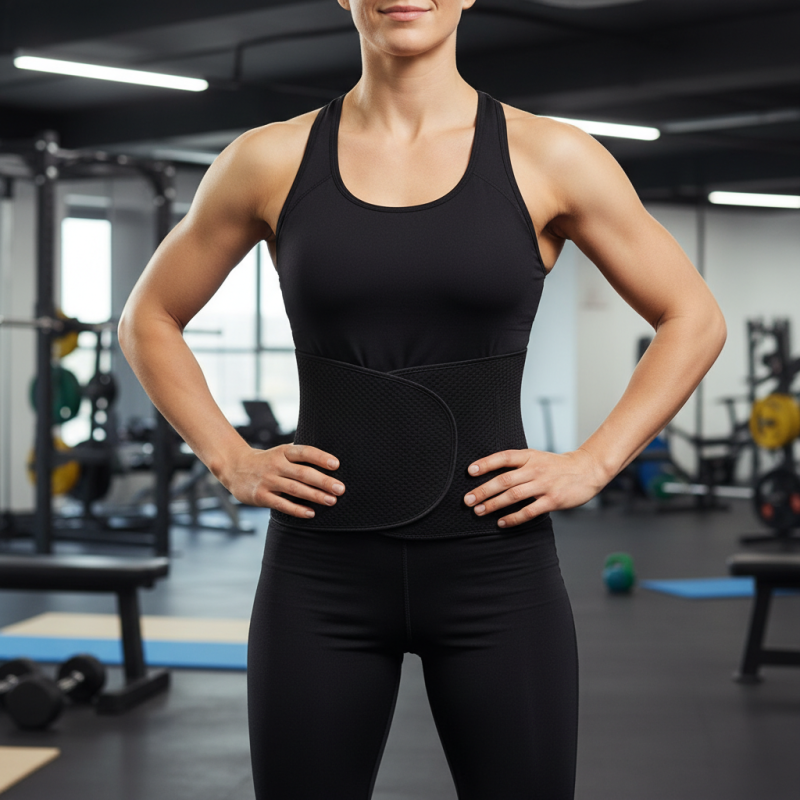
The Importance of Choosing the Right Waist Support for Fitness Activities
Choosing the right waist support for fitness activities is crucial for performance and safety. Many people overlook this factor, but studies indicate that improper support can lead to injuries. According to the American Council on Exercise, nearly 60% of fitness enthusiasts experience back pain due to inadequate support during workouts. Effective waist support can alleviate this pain and enhance stability.
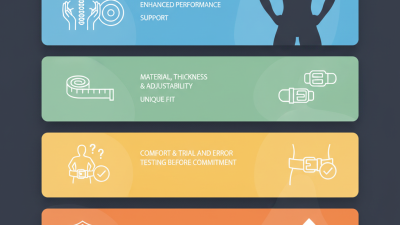
When selecting a waist support, consider material and fit. Comfortable, breathable materials are essential for workouts. A snug yet adjustable fit can prevent slippage and provide maximum support. Many people miss the importance of testing fit during exercise. Ensure the waist support remains secure and comfortable while moving dynamically.
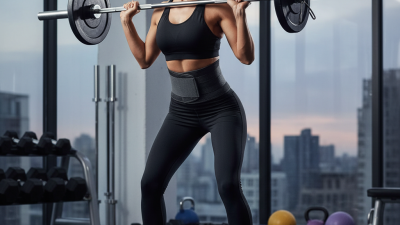
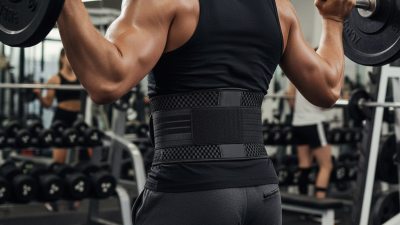
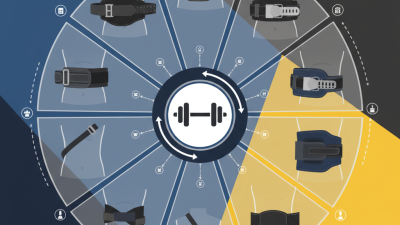
Think about the level of support needed for different activities. For weightlifting, opt for a thicker support to manage heavier loads. If you're engaging in cardio, a lighter, more flexible option may be preferable. Listening to your body is key. If discomfort arises, it’s time to reassess your choice. The right waist support can empower your workout and prevent injuries.
Evaluating Support Levels: Finding the Balance Between Comfort and Stability
When selecting the right fitness waist support, balancing comfort and stability is crucial. A study conducted by the Journal of Sports Science indicates that proper support can prevent lower back injuries during workouts. The article highlights that 70% of gym-goers experience discomfort without adequate support. This underscores the importance of evaluating support levels for your specific activities.
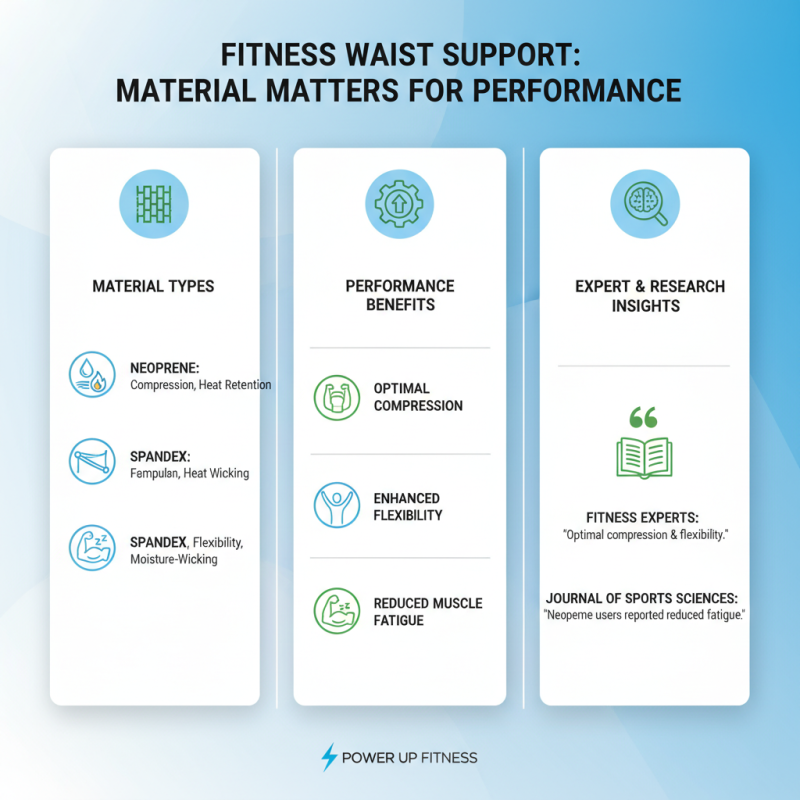
Many waist supports feature various materials and designs, catering to different comfort needs. For instance, breathable fabrics can wick moisture while providing essential support. Meanwhile, elasticity varies, affecting how snug the fit feels. A study by the National Academy of Sports Medicine emphasizes that a too-tight fit can hinder movement, while a loose fit may fail to offer sufficient support. Finding the right balance can enhance performance significantly.
Users often overlook the importance of sizing. Many end up choosing sizes based solely on appearance. This can lead to a poor fit and inadequate support. Reflect on your own experience; did you often adjust your waist support during workouts? This may indicate a need for better sizing and material choice. Comfort is a subjective experience, but awareness of your body’s needs will guide you in selecting the best fit.
10 Tips for Choosing the Best Fitness Waist Support for Your Workout - Evaluating Support Levels: Finding the Balance Between Comfort and Stability
| Tip |
Consideration |
Support Level |
Comfort Rating |
| 1. Assess Your Activity |
Type of workout (aerobic, strength) |
Medium |
8/10 |
| 2. Measure Your Waist |
Proper fit is crucial |
High |
9/10 |
| 3. Check Material Breathability |
Avoid overheating |
Medium |
7/10 |
| 4. Look for Adjustable Straps |
Customization for stability |
High |
8/10 |
| 5. Evaluate the Support Structure |
Ensure proper lower back support |
High |
8/10 |
| 6. Opt for Lightweight Design |
Ease of movement |
Medium |
9/10 |
| 7. Check for Extra Padding |
Enhanced comfort |
Medium |
8/10 |
| 8. Read User Reviews |
Real-world experiences |
Varies |
N/A |
| 9. Choose the Right Size |
Avoid size mistakes |
High |
9/10 |
| 10. Consider Your Budget |
Find value for money |
Varies |
N/A |
Sizing and Fit: How Proper Measurements Affect Waist Support Effectiveness
When choosing the right fitness waist support, sizing and fit are pivotal. Proper measurements play a crucial role in the effectiveness of the support. A waist support that is too tight may restrict movement and blood flow. Conversely, one that is too loose will not offer adequate support. It’s essential to measure your waist accurately. Use a soft tape measure at the narrowest part of your waist. Don't underestimate this step; precision matters significantly.
If you find yourself between sizes, consider going with the smaller size for a snug fit. This may feel uncomfortable at first, but it often provides the best support during workouts. Remember, a well-fitted waist support can enhance your posture and stability. It’s not just about comfort; the right fit can also improve performance. However, be aware that different activities might require different levels of support. Listen to your body. Adjustments might be necessary as your fitness level changes. Finding the optimal waist support may take time, but it’s worth the effort.
User Reviews and Industry Ratings: Making Informed Choices Based on Feedback
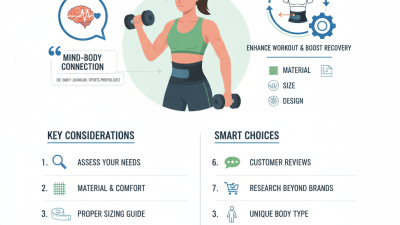
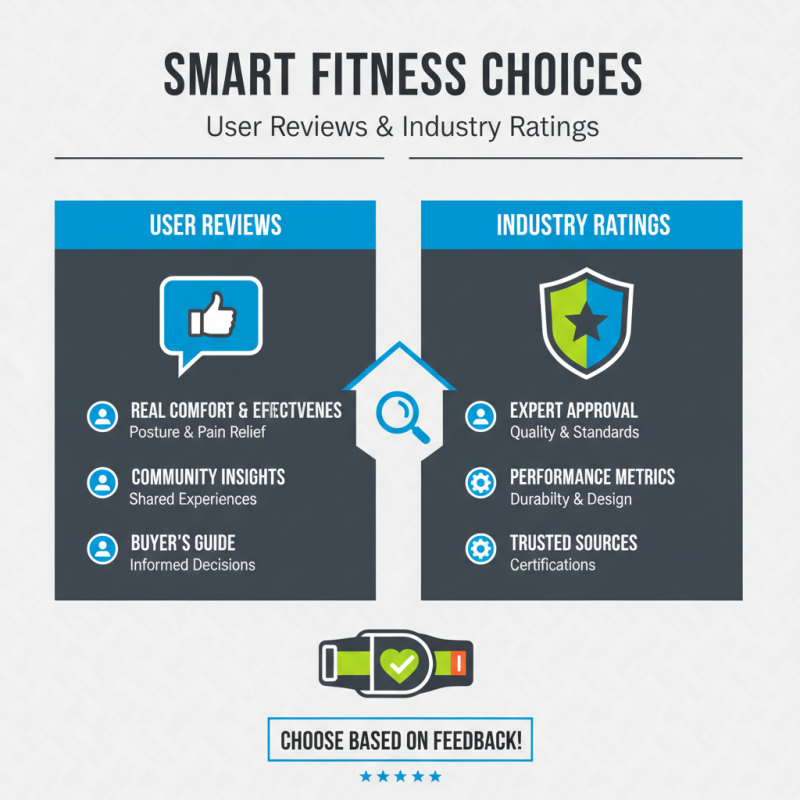
When selecting the best fitness waist support for your workouts, user reviews and industry ratings play a vital role. Feedback from real users can reveal the true comfort and effectiveness of these supports. Many people share their experiences, from improvement in posture to relief from lower back pain. This information can guide new buyers toward a more informed decision.
Look for patterns in reviews. If several users mention that a product slips during workouts, take note. However, be cautious; not every review reflects a true experience. Some reviews may be biased. Filtering through these testimonials can be challenging. It often requires careful reading to distinguish between reliable feedback and marketing fluff.
Also, consider the potential downsides highlighted in user experiences. A waist support might be praised for its design but criticized for sizing issues. These insights can help you avoid common mistakes. Balancing user feedback and industry ratings ensures you make a choice that aligns with your fitness goals and provides the support you need during workouts.