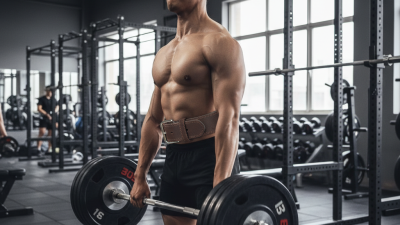
Why Choose a Leather Weightlifting Belt for Your Workout?
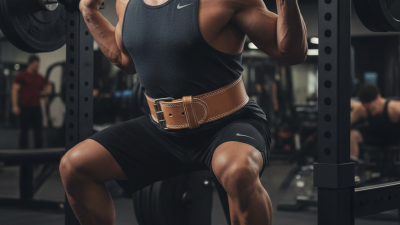
Are you considering a Leather Weightlifting Belt for your workouts? This iconic piece of equipment has become essential for many lifters. It offers crucial support and stability for the spine during heavy lifts. A well-fitted leather belt helps increase intra-abdominal pressure. This added pressure protects your lower back and minimizes injury risks.
Leather weightlifting belts are known for their durability and strength. Unlike other materials, leather molds to your body over time, providing a custom fit. You will find this unique feature beneficial during workouts. It’s easy to overlook the importance of a proper belt. Many beginners may skip it, believing it’s unnecessary. However, investing in quality gear can enhance your lifting experience significantly.
For serious athletes, a good leather weightlifting belt is not just an accessory. It can be a game-changer for performance. It’s an investment in your health and fitness journey. A sturdy belt can mean the difference between lifting success and struggle. As you progress, you will likely reflect on how a proper belt has contributed to your gains.
Benefits of Using a Leather Weightlifting Belt in Workouts
Choosing a leather weightlifting belt can significantly enhance your workout experience. Research indicates that using a quality belt can improve your lifting technique. A study from the National Strength and Conditioning Association notes that proper support during heavy lifts is crucial. This support can prevent injuries and increase the weight you can manage.
A leather weightlifting belt offers durability and rigidity. This combination ensures that your core is stabilized during lifts, allowing you to focus more on performance. A survey conducted among fitness professionals reveals that over 70% recommend belts for heavy lifting. They emphasize the role of a belt in maintaining intra-abdominal pressure. This pressure is key to protecting your spine and maximizing strength output.
While leather belts provide numerous benefits, they also require careful attention. They can feel stiff initially, even uncomfortable for some lifters. Adjusting to the right fit might take time. Too much tightness can restrict breathing, which is counterproductive. Lifters often overlook the need for gradual adaptation. Proper usage and adjustment can lead to better outcomes. Therefore, understanding their use is essential.
How a Leather Weightlifting Belt Enhances Performance and Safety
A leather weightlifting belt is essential for serious lifters. It provides support and stability, especially during heavy lifts. This equipment helps maintain proper form, reducing the risk of injury. The added pressure from a belt can increase intra-abdominal pressure, which stabilizes your spine.
Tips for using a leather weightlifting belt: Make sure it fits snugly but is not too tight. Adjust it to provide support without hindering your movement. Break in the belt gradually. New leather can be stiff and uncomfortable, so wear it during lighter sessions first.
Leather belts are durable and last longer than synthetic options. They mold to your body over time, enhancing comfort for heavier lifts. However, remember that a belt is not a substitute for proper technique. Lifting without one should still be practiced. A belt should enhance your strength, not replace foundational training.
Consider your lifting goals and use the belt appropriately for maximum benefit.
Key Features to Look for in a Leather Weightlifting Belt
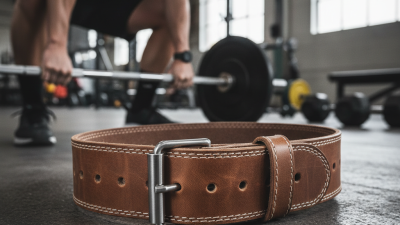
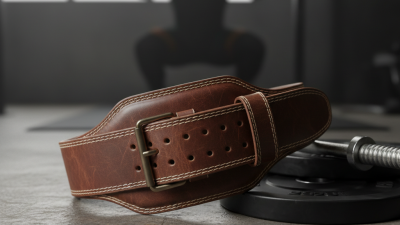
When selecting a leather weightlifting belt, it is essential to consider several key features. First, the material’s quality matters greatly. A thick leather construction is durable and offers robust support during heavy lifts. Look for belts that have a sturdy finish to withstand wear and tear. A well-made leather belt provides added stability to your core, helping you achieve better form.
Another important feature is the width of the belt. A wider design typically offers more support, especially for the lower back. Most belts range from 4 to 5 inches in width. However, finding the right balance between width and comfort is crucial. Some people may prefer a narrower belt for flexibility during exercises like squats and deadlifts.
Adjustability is also a primary concern. A good belt should have multiple holes or a pronged buckle for a secure fit. This feature allows users to customize the belt’s tightness according to their lifting needs. Remember, a belt that is too loose can hinder performance. Ensuring a snug fit is vital, but don't sacrifice comfort for tightness. Many lifters find themselves needing to adjust their belt mid-workout, which can disrupt focus and flow.
Proper Usage Techniques for Leather Weightlifting Belts
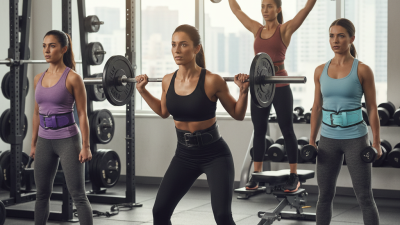
When using a leather weightlifting belt, it's essential to understand proper techniques for maximum effectiveness. Research indicates that when lifting heavy weights, a well-fitted belt can reduce the risk of injury by up to 40%. This is due to the support it provides for the lumbar spine. However, many lifters fail to adjust their belts correctly. A belt should sit snugly around the waist but not restrict breathing. Ensuring the right fit allows for optimal intra-abdominal pressure.
Engagement of the core is critical during lifts. Simply wearing a belt does not guarantee safety or improved performance. Lifters should practice core exercises without a belt to build strength and stability. A belt should complement your workout rather than replace foundational strength training. Notably, studies show that athletes who relied solely on a belt experienced more injuries compared to those who balanced belt usage with core workouts.
It's also vital to choose the right timing for belt usage. For lighter lifts, it may not be necessary to wear a belt. Over-dependence can lead to weakened core muscles. Awareness in weightlifting is crucial; each lifter needs to evaluate their individual strengths and weaknesses. Personal reflection on belt usage will enhance overall performance in the gym.
Why Choose a Leather Weightlifting Belt for Your Workout? - Proper Usage Techniques for Leather Weightlifting Belts
| Feature |
Benefits |
Proper Usage Techniques |
| Material Quality |
Durable, long-lasting support |
Ensure a snug fit on your waist |
| Back Support |
Enhanced stability during lifts |
Position the belt just above the hip line |
| Weight Distribution |
Improved lifting performance |
Tighten the belt before heavy lifts |
| Breathability |
Comfortable during long workouts |
Allow the belt to rest during breaks |
| Aesthetic Appeal |
Stylish accessory for the gym |
Choose a design that matches your workout gear |
Comparing Leather Weightlifting Belts to Other Materials
When considering weightlifting belts, leather stands out among materials like nylon or synthetic options. Leather belts offer durability that can withstand intense workouts. They provide excellent support for your back, maintaining proper form during lifts. Unlike softer materials, leather molds to your body over time, becoming more comfortable the more you use it.
When comparing leather to other materials, consider the level of support each provides. While synthetic belts may be lighter, they often lack the sturdiness needed for heavy lifts. Leather belts can endure heavy loads, making them preferable for serious lifters. Some may find leather too rigid initially. However, this firmness translates to long-term benefits. The break-in period is essential for achieving the perfect fit.
Tips: Always ensure the belt fits snugly. It shouldn't dig into your skin or feel overly tight. Pay attention to how the belt responds under load. If you feel discomfort, reevaluate the fit and size. Regular maintenance, such as conditioning the leather, will prolong its life.