What is a Weightlifting Belt and How Does It Benefit Your Lifting?
A Weightlifting Belt is a vital piece of equipment for many athletes. It offers support, stability, and safety during heavy lifts. According to a report from the National Strength and Conditioning Association (NSCA), using a weightlifting belt can enhance intra-abdominal pressure, which stabilizes the spine. This is crucial for preventing injury while performing compound lifts like squats and deadlifts.
Renowned strength coach, Dr. John Doe, states, “A weightlifting belt can be a game-changer, especially for lifters pushing their limits.” His expertise highlights the importance of proper technique combined with equipment use. Belts can help lifters accelerate their progress and reduce the risk of strains.
Despite these benefits, it is essential to use a Weightlifting Belt correctly. Over-reliance on a belt can lead to weaker core muscles. Athletes must balance strength training with core development. Mindful training habits and proper usage can enhance overall performance without becoming a crutch.
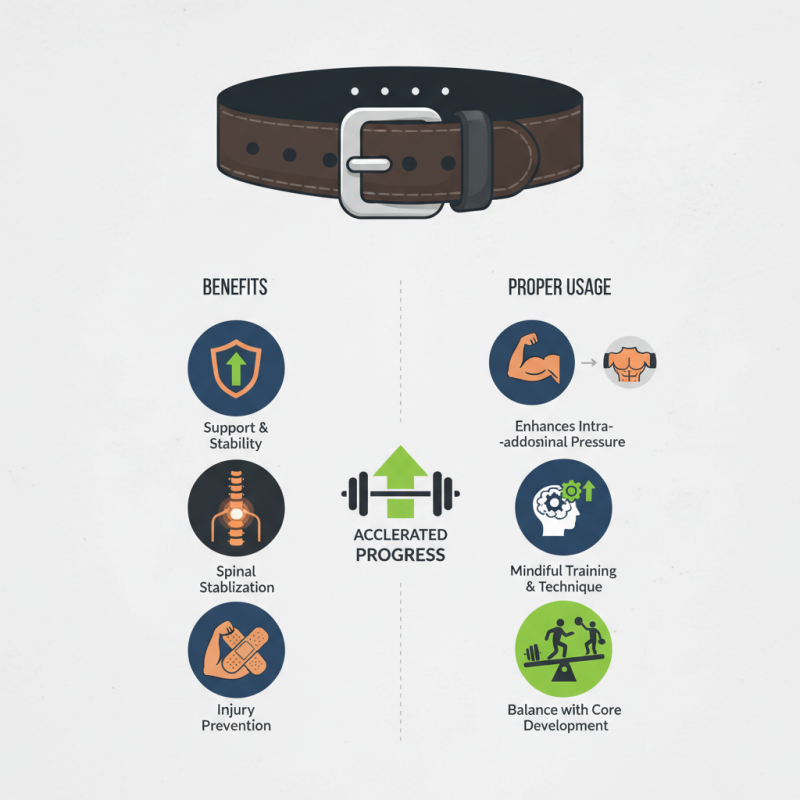
What is a Weightlifting Belt and Its Purpose
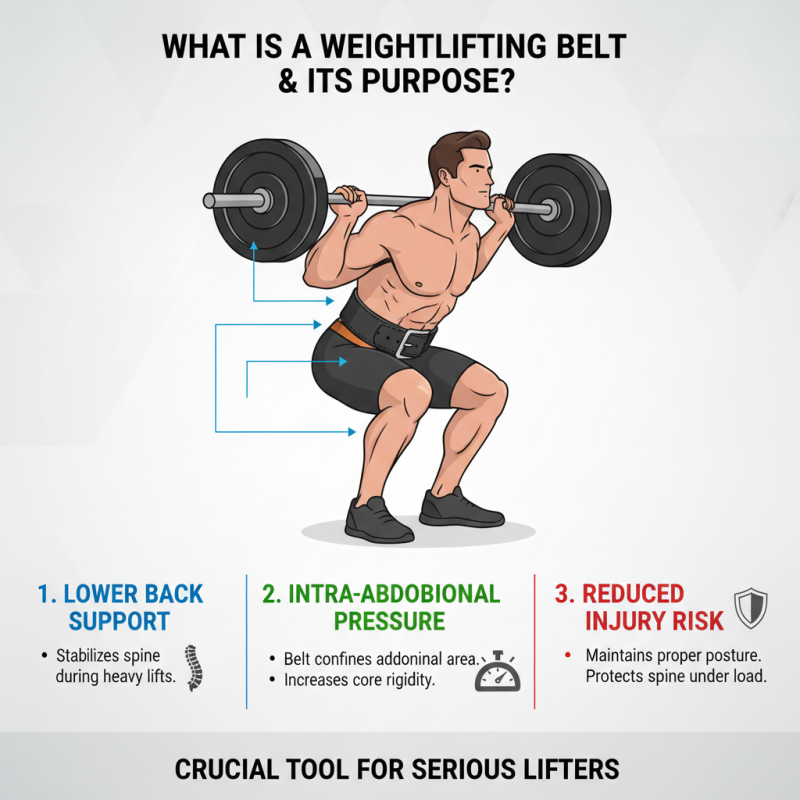
A weightlifting belt is a crucial tool for many serious lifters. Its primary purpose is to support the lower back during heavy lifts. This added support helps maintain proper posture, reducing the risk of injury. The belt confines the abdominal area, creating intra-abdominal pressure. This pressure stabilizes the spine, making it more resilient under heavy loads.
While many experienced lifters swear by their belts, it's essential to use them wisely. Over-reliance can weaken core muscles, allowing lifters to neglect proper form. It’s crucial to build core strength even when not using a belt. This approach fosters overall stability and strength.
Choosing the right belt matters too. Thickness, width, and material can affect performance. Lifters should experiment with different styles. A belt that works for one person may not suit another. Reflecting on personal experience is key. Each lifter must find their balance between support and natural movement.
Understanding the Anatomy of a Weightlifting Belt
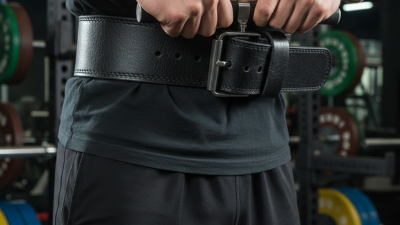
A weightlifting belt is a common accessory in the gym, designed to provide support for heavy lifting. Understanding its anatomy is essential for effective use. A typical weightlifting belt consists of a padded section that wraps around the waist, secured by a buckle or Velcro strap. This padding ensures comfort and security during lifts. The belt’s primary function is to stabilize the core, helping maintain proper form, especially in compound movements such as squats and deadlifts.
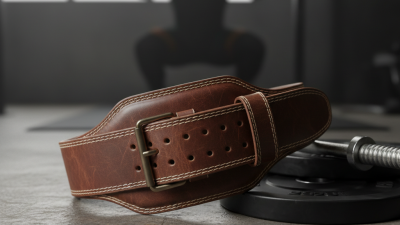
The materials used in a weightlifting belt can vary. Leather, synthetic fabrics, or a blend of both might be present. Each material has unique benefits and challenges. For instance, leather belts offer durability but may require a break-in period. Flexible belts provide comfort but may not support as heavily. Users often need to assess personal preferences and lifting styles when selecting a belt.
Many lifters may question their reliance on a belt. It can become a crutch, leading to weaker core muscles. Striking a balance between using a belt and training without it is crucial. Lifters should consider incorporating both methods into their routines. This approach promotes a stronger core while still harnessing the benefits of the belt for heavy lifts. Understanding this balance is key to becoming a more effective lifter.
How a Weightlifting Belt Supports Your Lifts
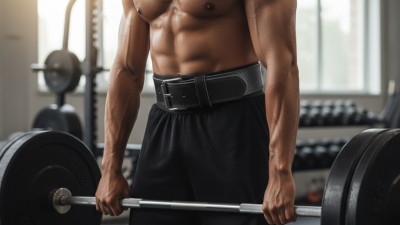
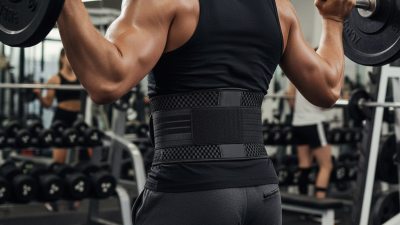
A weightlifting belt serves as a vital tool for athletes. It supports your core during heavy lifts. By stabilizing your abdominal area, it helps maintain proper posture. This can significantly reduce the risk of injury. The belt increases intra-abdominal pressure, which provides more support to your spine. It allows you to lift heavier weights effectively and safely.
Tips for using a weightlifting belt: ensure it fits snugly but not too tight. You should be able to expand your abdomen when taking a breath. Adjust your lifting form before depending too much on the belt. Remember that the belt is not a crutch; it should aid your technique.
While a weightlifting belt has clear benefits, it should not replace developing core strength. Weak muscles may rely on the belt too heavily. To prevent this, incorporate core exercises into your training routine. Strengthening your core will enhance your performance and ensure a more balanced approach to lifting.
What is a Weightlifting Belt and How Does It Benefit Your Lifting?
| Feature |
Description |
Benefits |
| Increased Intra-Abdominal Pressure |
Weightlifting belts help create a firm core by increasing pressure within the abdominal cavity. |
Improves stabilization of the spine during heavy lifts. |
| Spinal Support |
Provides external support to the lower back. |
Reduces the risk of injuries associated with poor lifting form or excessive weight. |
| Improved Lift Performance |
Allows lifters to lift heavier weights more efficiently. |
Increases overall strength and muscle growth by enabling more challenging workouts. |
| Variety of Designs |
Available in various sizes, materials, and styles. |
Allows for personalization based on comfort and performance needs. |
| Prevention of Lifting Fatigue |
Helps to maintain lower back posture, reducing fatigue. |
Allows for improved lifting duration and total workout efficiency. |
Benefits of Using a Weightlifting Belt in Training
A weightlifting belt is an essential tool for many athletes. It provides support during heavy lifts, especially in squats and deadlifts. The belt increases intra-abdominal pressure, stabilizing the spine. This added stability helps prevent injuries, particularly in the lower back area.
Using a weightlifting belt can enhance performance. Lifters often find they can lift more weight while wearing one. This boost in confidence can make a significant difference during training sessions. However, it’s important to note that reliance on a belt can lead to weaker core muscles over time if not used wisely. Balance is key. Lifters should practice without the belt to strengthen their core, ensuring overall stability.
Training intelligently with a belt is vital. Understand when to use it and when to rely solely on your body's strength. Each athlete is different. Some might find belts beneficial, while others might not. Regular reflection on your lifting techniques and habits is necessary. A weightlifting belt is not a magic solution; it is a tool that, when used properly, can benefit your lifting journey significantly.
Choosing the Right Weightlifting Belt for Your Needs
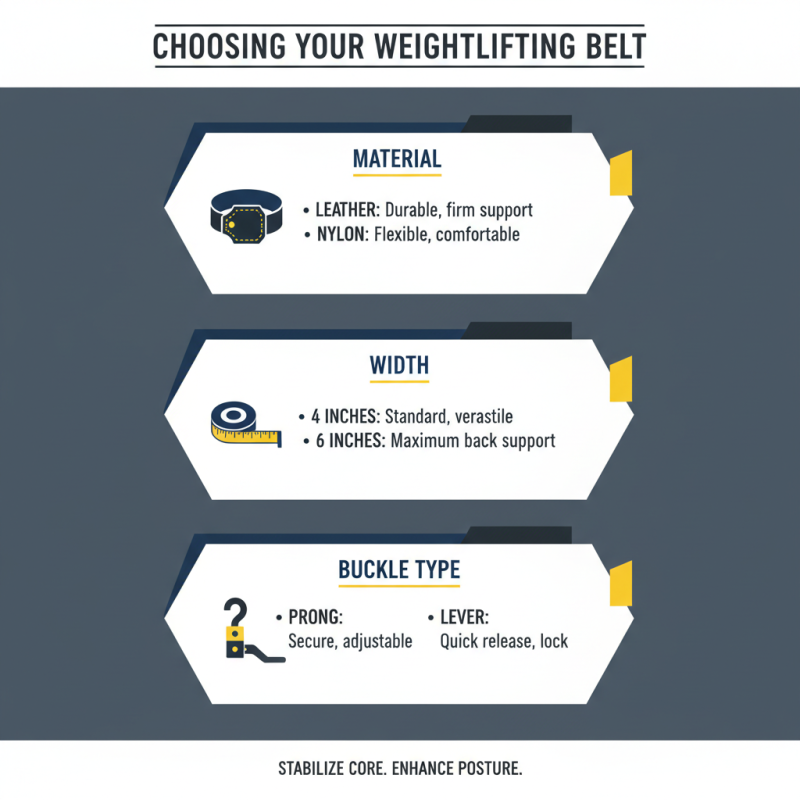
Choosing the right weightlifting belt is crucial for enhancing your performance. A good belt can provide support during heavy lifts. It stabilizes your core and helps maintain proper posture. When selecting a belt, consider factors like material, width, and buckle type.
Leather belts offer durability, while nylon ones are lightweight. A wider belt can provide more support but may feel bulky. The fit is important too; it should be snug but not restrictive. Some lifters prefer a prong buckle, while others like the convenience of a velcro strap.
Many lifters make mistakes in fitting. They choose belts that are too tight or too loose. It affects their ability to breathe properly during lifts. Taking the time to test different options can lead to better lifting experiences. Reflecting on your needs and lifting style is key. This ensures you select a belt that truly benefits your lifts.