Leave Your Message

2026 Best Fitness Waist Support for Global Buyers

Choosing the right Fitness Waist Support in 2026 requires more than comparing photos, prices, or influencer reviews. Global buyers need dependable fit, breathable materials, clear sizing, and responsible product information. A support belt may feel reassuring during lifting, travel, or extended standing. It cannot replace professional medical advice or correct training technique.

This guide examines practical details that buyers can check before ordering. We consider waist measurements, adjustable closures, panel width, stitching, skin contact, and movement comfort. A stable support should stay in place without restricting normal breathing. Neoprene may provide warmth, while elastic blends often improve flexibility. Neither material is automatically suitable for every user.

Evidence matters. Look for transparent manufacturer details, care instructions, return policies, and testing information where available. Buyers should also review regional labeling, import requirements, and consumer protections. These details vary across markets. A product made for intense gym sessions may feel excessive during office work. That distinction is easy to miss.

Real-world use is rarely perfect. Some supports roll when sitting, even with careful sizing. Others feel comfortable initially but become irritating after several hours. This guide acknowledges those limitations instead of promising universal results. Independent reviews can help, but they may reflect different body shapes, climates, and activity levels. Measure carefully, compare verified specifications, and choose support that fits your routine rather than chasing the strongest-looking design.

2026 Best Fitness Waist Support for Global Buyers

What Is a Fitness Waist Support and How Does It Work?

2026 Best Fitness Waist Support for Global Buyers

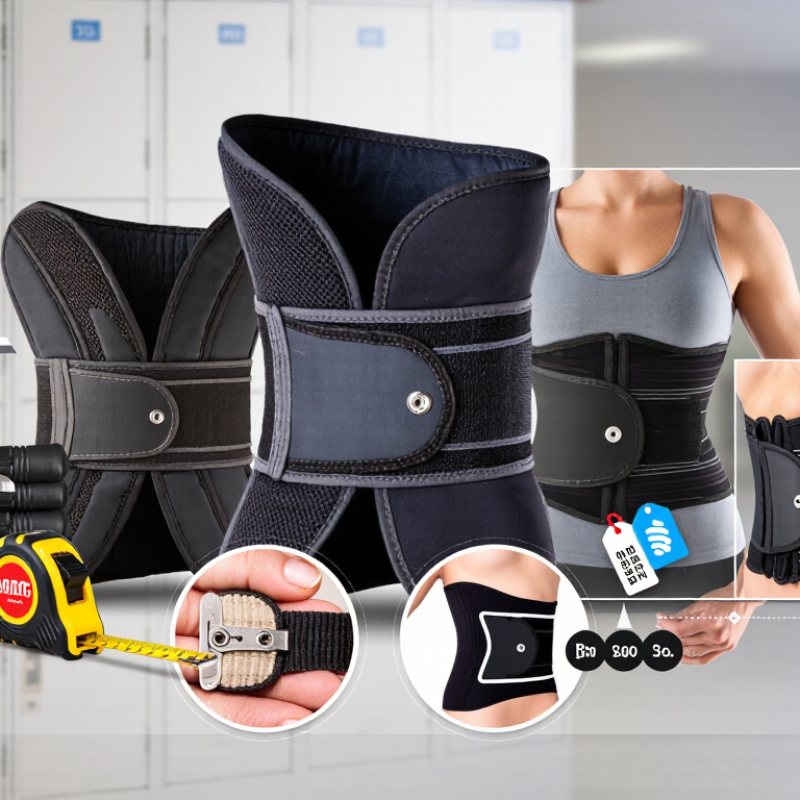
A fitness waist support is an elastic garment designed to wrap around the midsection. It may include adjustable panels, flexible stays, or breathable fabric. Unlike a rigid medical brace, it allows normal movement during training. Its main purpose is light compression and improved body awareness. It does not melt fat. Fit matters more.

When you bend or lift, the support gives gentle pressure around your waist. This pressure can remind you to brace your core and maintain a steadier posture. Some users also feel more secure during walking, cycling, or resistance exercises. However, compression cannot repair weak muscles or correct poor technique. Tightness may create confidence, but confidence is not proof of protection.

Choose a size that feels firm without restricting breathing. Follow the measurement chart, especially when buying across countries. During exercise, check for numbness, sharp discomfort, skin color changes, or unusual sweating. Stop using it if these signs appear. A breathable, moisture-resistant fabric can feel better during long sessions. In practical fitting experience, many people choose excessive compression at first. I once made that mistake myself. A looser fit supported movement better. Wash the garment regularly, and inspect seams after repeated use. It should support training, not replace warm-ups, strength development, or professional medical advice.

Key Features of the Best Fitness Waist Supports in 2026

The best fitness waist supports in 2026 should prioritize fit, movement, and comfort over extreme compression.

The World Health Organization reported that about 31% of adults worldwide were insufficiently active in 2022. A wearable support should encourage consistent movement, not replace strength training or clinical care. Look for wide, adjustable panels that sit firmly around the waist without restricting breathing. Two-finger space is a useful fitting check.

Breathable, sweat-managing fabric matters during indoor cycling or outdoor walking. Mesh zones can reduce heat around the lower back, while smooth seams help prevent rubbing under clothing.

A 2025 ACSM worldwide fitness trends report ranked wearable technology among leading industry trends, reflecting stronger interest in practical activity feedback. However, sensors and posture reminders do not prove injury prevention. That distinction matters.

Test it gradually.

A reliable support should stay flat during bending, stepping, and light lifting. It should not roll upward when the hips move. Materials should be clearly identified, with secure closures that remain stable after repeated washing.

Buyers should also check sizing ranges, care instructions, and return policies, especially for international orders. Some products feel supportive at first but become uncomfortable after thirty minutes. That is an easy detail to miss.

For persistent pain, numbness, or weakness, professional medical assessment is more appropriate than tighter compression.

How to Choose the Right Waist Support for Global Buyers

Choosing the right waist support begins with its intended use. A flexible wrap may suit gym training, light lifting, or daily movement. A firmer support may provide more stability during demanding activities. However, stronger is not always better. Excessive compression can restrict breathing and reduce comfort.

Measure the waist where the instructions specify, not where the body looks narrowest. Size charts differ between countries, so compare centimeters and inches carefully. Check the fastening system, seam quality, and fabric stretch. Breathable mesh matters in hot climates, while wider panels may feel warmer in cold conditions. I once selected a support by waist measurement alone. It fitted correctly but rubbed against the ribs during movement. That mistake changed how I assess comfort.

Global buyers should also review washing instructions, material details, and return conditions. A support made with latex may not suit every user. Clear labeling helps buyers identify polyester, nylon, elastane, or metal components. For online purchases, product photos should show the inside stitching and adjustment range. Look for documented quality testing, accurate translations, and customer service that explains sizing clearly. Medical or post-injury use requires advice from a qualified healthcare professional. A waist support cannot replace proper technique, gradual training, or medical care. Some product descriptions still promise too much. Read them critically.

2026 Best Fitness Waist Support for Global Buyers - How to Choose the Right Waist Support for Global Buyers

Support Type Typical Structure Typical Width Adjustability Breathability Recommended Activity Main Advantages Important Buying Checks
Elastic Wrap Stretch fabric with hook-and-loop closure 15–25 cm High; tension can be adjusted during wear Usually high when made with perforated or mesh fabric Walking, light training, mobility work, general gym use Lightweight, flexible, easy to pack and suitable for changing body positions Check stretch recovery, edge binding, closure strength and whether the wrap rolls during movement
Neoprene Waist Belt Neoprene or synthetic rubber layer with textile lining and adjustable closure 20–30 cm Medium to high Moderate to low; thicker materials retain more heat Short-duration workouts where warmth and compression are preferred Provides a close fit and can offer a warm, compressive feel Look for odor-resistant lining, skin-friendly seams, correct sizing and clear care instructions
Lumbar Support Brace Wide elastic panel with flexible stays or structured support panels 20–30 cm, commonly wider at the back High when it includes dual or secondary tightening straps Moderate; mesh back panels improve airflow Low-impact exercise, standing activities and controlled training Broader back coverage and more structured positioning than a simple wrap Check the number and flexibility of stays, sitting comfort, back-panel height and movement limitations
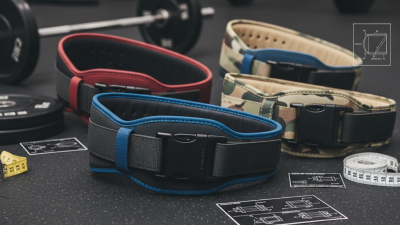
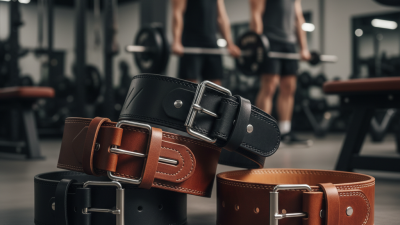
Weightlifting Belt Leather, synthetic leather or reinforced textile with a firm front closure Typically 10–13 cm for a uniform-width design Low to medium; designed for a secure, firm fit Moderate; textile versions generally ventilate better than solid leather Heavy resistance training and compound lifting under appropriate coaching Firm abdominal contact and stable positioning during selected lifts Confirm buckle or lever quality, belt thickness, edge comfort and compliance with the intended sport rules
Breathable Mesh Support Air-mesh textile with elastic zones and hook-and-loop fastening 15–25 cm Medium to high High when the mesh remains open across the back and sides Warm-weather training, indoor cycling and longer low-impact sessions Reduced heat buildup and lighter overall feel Inspect mesh durability, seam reinforcement, moisture management and washability
Posture-Oriented Support Waist panel combined with shoulder or upper-back straps 15–25 cm at the waist, plus upper-back coverage Medium; multiple adjustment points are common Moderate; depends on the amount of upper-back fabric Light activity, desk-to-gym transitions and posture awareness exercises Combines waist contact with upper-body alignment cues Check strap placement, arm mobility, discreet wear under clothing and whether it causes shoulder pressure
Flexible Compression Band Seamless or low-seam elastic knit with graduated or uniform compression 15–25 cm Low to medium; pull-on designs have limited adjustment High to moderate, depending on fiber blend and knit density Running, fitness classes and general movement where low bulk is important Smooth under clothing and offers unrestricted movement when correctly fitted Verify the measurement chart, compression level, seam placement, fabric recovery and tendency to slide

Global Buyer Selection Checklist

  • Measure the waist according to the seller’s instructions, usually around the natural waist or the area specified for the product.
  • Choose a support that permits comfortable breathing, normal circulation and unrestricted movement.
  • Check size ranges in centimeters and inches, closure type, material composition, wash instructions and return conditions.
  • For hot climates, prioritize ventilated mesh, moisture-managing lining and flat or covered seams.
  • For cold climates or layered clothing, confirm the support fits comfortably under the intended clothing without bunching.
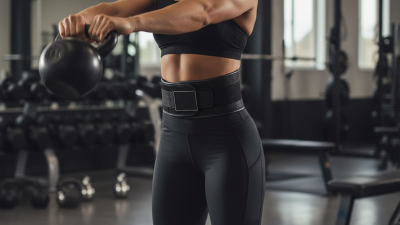
  • Use firm lifting belts only for suitable resistance exercises and with proper technique; a waist support is not a substitute for medical assessment or professional coaching.

Note: Dimensions and performance descriptions represent typical product characteristics and may vary by construction, material, size and manufacturer. Always verify the individual product specification before purchase.

Comparing Materials, Designs, Sizes, and Support Levels

Choosing the best fitness waist support in 2026 requires more than selecting the tightest design. Material affects comfort, heat, and skin response. Neoprene provides warmth and flexible compression, but it may feel hot during long training sessions. Elastic blends usually breathe better, while cotton-lined panels can reduce rubbing. People with sensitive skin should inspect seams and check for latex-related materials.

Design changes how support feels during movement. A wraparound model allows adjustable tension and suits changing body shapes. A low-profile belt may fit beneath clothing, but it often offers less adjustment. Flexible stays can improve posture awareness without feeling rigid. However, hard supports may restrict bending during lifting or daily activity. That trade-off deserves attention.

Sizes should follow waist measurements, not usual clothing labels. Measure around the area where the support will sit, preferably before exercise. A correct fit feels secure without causing numbness, sharp pressure, or difficult breathing. Light support works for walking and general training. Moderate support may suit controlled strength exercises. Firm support needs more caution and should not replace proper technique or professional advice. During a real fitting, sit, bend, and rotate for several minutes. If the edge rolls or the abdomen feels compressed, the design may be wrong. My own preference has changed: maximum tightness feels supportive at first, yet moderate compression is often easier to wear consistently.

2026 Best Fitness Waist Support for Global Buyers

Comparing materials, designs, typical size coverage, and support levels

The benchmark uses a 1–10 comparison scale based on common material and construction characteristics. Neoprene and structured compression designs generally provide stronger support, while mesh and elastic-wrap designs usually offer better breathability and flexibility. Size ranges are typical reference ranges only; buyers should confirm each product’s actual measurement chart.

Safe Use, Care Guidelines, and Buying Considerations

Global buyers should treat a fitness waist support as a comfort aid, not a weight-loss device. The World Health Organization’s 2024 global report estimates that 31% of adults lacked enough physical activity in 2022. A waist support cannot replace regular movement, strength training, or medical care.

Fit matters more than maximum compression. Choose an adjustable design with breathable fabric, smooth seams, and stable panels that do not roll while walking. It should support the lower back without causing numbness, tingling, skin discoloration, or restricted breathing. Remove it during sleep and intense exercise unless a qualified clinician advises otherwise. Stop using it when pain increases. Small warning signs matter.

NIOSH has reported insufficient evidence that back belts prevent lifting injuries, so buyers should not treat them as protective equipment. Use safe lifting technique and keep loads close to the body. Wash the support according to its care label, preferably after sweaty sessions, and dry it fully before storage. Check stitching, elastic recovery, and hook-and-loop strength each week. A common buying mistake is choosing a tighter size for a slimmer appearance. It may feel secure, but discomfort is not proof of support. Product claims deserve careful questioning, especially when measurements, material details, or testing information are missing.