How to Choose a Leather Weightlifting Belt in 2026?
Choosing a Leather Weightlifting Belt in 2026 requires more than comparing thickness, stitching, and price. It requires understanding how the belt supports bracing during heavy squats, deadlifts, and presses. Fit matters first. A belt that pinches your ribs or slides across your hips can weaken confidence under load.
Grand View Research estimated the global fitness equipment market at approximately USD 16 billion in 2023. Its report also projects steady growth through 2030. However, most industry reports do not separate leather weightlifting belts from broader strength equipment. That limitation matters. Market growth does not automatically prove that every belt offers better support.
Dr. Stuart McGill, a leading spine biomechanics researcher, has repeatedly emphasized, “The belt is not a substitute for good technique.” His point remains practical. A strong belt can increase abdominal pressure, but it cannot correct poor breathing, unstable foot pressure, or careless progression. The International Powerlifting Federation’s equipment standards also show why construction deserves attention. Width, materials, and fastening systems can affect usability and competition compliance.
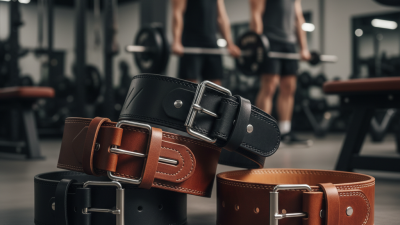
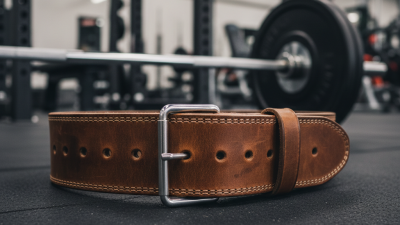
A quality Leather Weightlifting Belt should feel firm without blocking natural movement. Look for dense leather, reinforced stitching, dependable hardware, and a stable fit around your waist. Try it with your actual training stance. Standing still is not enough.
There is no perfect belt for everyone. That is the uncomfortable part. A powerlifter may prefer a rigid, wide design, while a recreational lifter may need greater mobility. This guide examines those trade-offs, using available research, expert guidance, and real-world fitting details.
What Is a Leather Weightlifting Belt and How Does It Work?
How to Choose a Leather Weightlifting Belt in 2026?
A leather weightlifting belt is a firm band worn around the waist during heavy squats, deadlifts, and similar lifts.
It does not hold your spine rigid by itself. Instead, it gives your abdominal wall something solid to press against. That pressure can improve bracing and help you maintain a stronger torso position under load. The effect depends on your breathing, technique, and belt fit.
A useful belt should feel supportive without blocking a full breath. Place it around your midsection, often near the navel, and tighten it evenly. You should fit one or two fingers beneath the belt. Too loose, and it may shift during a deadlift. Too tight, and your brace may feel restricted.
Thick leather usually feels stable, but it can require a short break-in period. Hard edges may press into your ribs or hips.
Small details matter. Check the stitching, buckle security, leather thickness, and adjustment range.
A wider belt can feel steady, while a narrower shape may suit shorter torsos better. In practical training, the belt works best for demanding sets, not every warm-up. It is equipment, not a substitute for trunk strength.
I have also found that comfort changes with stance and body position, so a perfect fit while standing may feel wrong at the bottom of a squat. Test it with moderate weight first. Listen carefully.
Which Belt Width, Thickness, and Support Level Should You Choose?
When choosing a leather weightlifting belt in 2026, fit should guide every decision. Measure your waist where the belt will sit, not where your trousers rest. A secure belt should feel firm without pinching your ribs or restricting breathing. You should brace comfortably before a heavy squat or deadlift. I once selected a belt that was too loose, believing extra room would improve comfort. It moved during sets. That assumption was wrong.
Width affects both coverage and movement. A four-inch belt offers consistent support around the abdomen and suits many experienced lifters. A three-inch belt may feel better for shorter torsos or athletes who need more hip movement. Thickness also matters. Leather around 10 to 13 millimeters usually balances rigidity and comfort. Thicker leather can resist bending, but it may require a longer break-in period. More support is not always better.
Choose the support level based on your training demands. Moderate support works well for general strength training and repeated working sets. High support can help during near-maximal lifts, but it may feel excessive during warm-ups or dynamic exercises. Test the belt with bodyweight squats, breathing drills, and lighter loaded sets. Watch for bruising, sliding, or pressure on the lower ribs. I still adjust my belt position between exercises. Personal anatomy makes fixed advice imperfect.
How to Select the Right Belt Size and Fit for Your Body
How to Choose a Leather Weightlifting Belt in 2026?
The correct belt size starts with an accurate measurement. Measure around your torso where the belt will sit, not where your jeans rest. Keep the tape firm, but do not pull it tight. Take this measurement after a normal exhale. Measuring after a large meal can produce a misleading result.
A leather lifting belt should support your abdomen without restricting deep breathing. For most lifters, the belt should close around its middle holes. This leaves room for weight changes and seasonal clothing. Place it above the hip bones, with the buckle centered and the edges flat against your body. During a squat, brace into the belt and check for pinching. During a deadlift, ensure it does not press painfully into your ribs. A slightly imperfect fit may improve after the leather softens, but excessive pressure will not fix itself.
Tips: Measure twice. Check the maker’s sizing chart carefully, because size labels vary. Try the belt with your usual training clothes. Walk, brace, squat, and hinge before deciding. If you can slide several fingers underneath easily, it may be too loose. If you cannot breathe comfortably, it is too tight. I would not rely on appearance alone. A belt can look substantial while fitting poorly, and that mistake is surprisingly common.
Which Leather Types, Buckles, and Fasteners Offer the Best Durability?
How to Choose a Leather Weightlifting Belt in 2026?
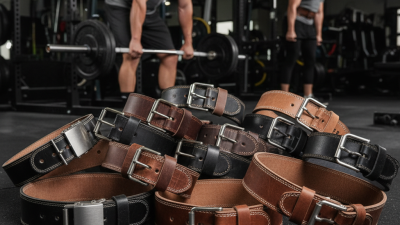
Leather type affects both support and service life. Full-grain cowhide usually offers the strongest fiber structure and develops a useful patina. Vegetable-tanned leather feels firm, but it may need several sessions to soften. Top-grain leather can feel smoother and more flexible, though it may show wear sooner. Avoid belts with thin bonded layers when heavy training is your priority. Check the edges carefully. Clean, even edges suggest better finishing and less peeling.
Buckle design matters under repeated loading. A stainless-steel prong buckle is simple, repairable, and dependable. A lever buckle provides quick tightening, but its screws need regular inspection. Rivets should sit flush, without movement or sharp edges. Strong stitching around the buckle area adds another layer of security. I once selected a belt mainly for its thickness. That choice was not perfect. The stiff leather restricted my setup and caused pressure near my ribs.
Tips: Measure your waist while bracing naturally. Choose support, not maximum tightness. Inspect holes, rivets, and stitching monthly. A 10–13 millimeter belt may suit heavy squats, but comfort still matters. Try several positions before deciding. Small gaps can become painful during long sessions. Some fasteners last longer, yet poor maintenance can defeat good construction. Keep the leather dry, wipe away sweat, and use a suitable conditioner sparingly. Too much oil can soften the belt excessively.
How to Compare Comfort, Safety, Price, and Maintenance Before Buying
Choosing a leather weightlifting belt in 2026 requires more than checking thickness. Comfort affects how consistently you train. Measure your waist where the belt will sit, usually around the navel. A firm fit should support your brace without pinching your ribs. Rounded edges can reduce pressure during squats and deadlifts. Check the buckle, holes, stitching, and leather grain carefully. A belt should feel stable, not restrictive. It cannot replace proper technique or qualified coaching.
I once chose a thicker belt because it seemed safer. That decision looked sensible, but it limited my movement. A moderate thickness may suit beginners and many recreational lifters better. Compare prices by examining leather quality, hardware strength, and stitching density. A low price can become expensive if the belt stretches quickly. Maintenance also matters. Wipe away sweat after training, let the belt dry naturally, and store it flat. Avoid soaking leather or placing it beside direct heat. Conditioning products may help, but too much can soften the structure.
Tips: Wear the belt for several warm-up sets before judging comfort. Test breathing and bracing together. Look for even pressure across your abdomen. If one edge digs into your hip, reconsider the size or shape. Inspect the holes regularly for tearing. Personal comfort varies, so my preferred belt may not suit your build. Take measurements twice. Small errors matter.
How to Choose a Leather Weightlifting Belt in 2026
This 100-point buying framework gives the greatest weight to safety and fit, followed by comfort, price, and maintenance. Look for firm, full-grain or top-grain leather, secure stitching, a reliable buckle, an even fit around the waist, and enough padding or edge finishing to prevent discomfort. Prices and maintenance needs vary by construction, leather quality, and use frequency, so compare the total value rather than price alone.