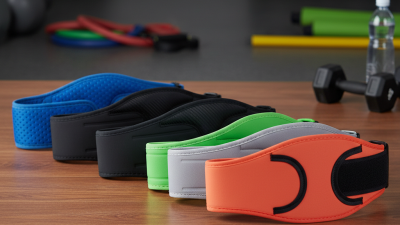
An Eva Fitness Belt is usually made with ethylene-vinyl acetate, or EVA, a lightweight foam known for flexibility and cushioning. Its soft surface wraps around the waist, while an adjustable fastening system creates gentle compression during movement. The belt may feel supportive during walking, stretching, or basic strength exercises. It is not a replacement for training.
Dr. Cedric X. Bryant, president and chief science officer of the American Council on Exercise, offers a useful reminder: “There is no magic bullet when it comes to weight loss.” This principle matters when evaluating any Eva Fitness Belt. The belt may improve body awareness by giving the wearer a clear sense of waist position. Some users also like its warmth and snug fit. However, it cannot directly burn abdominal fat or reshape the body permanently. That part is easy to misunderstand.
This guide examines how the belt works, what EVA material contributes, and where its practical limits appear. We will look at fit, pressure, comfort, movement, and everyday use. A properly fitted belt should feel secure, not restrictive. The wearer should still breathe normally and move naturally. Small details matter, including skin sensitivity, seam placement, and sweat buildup. Product quality can vary. So can individual results.
The goal is a balanced explanation, not a sales promise. An Eva Fitness Belt may support exercise habits, but consistent activity and sensible nutrition remain more important. Its value depends on realistic expectations. That deserves closer attention.
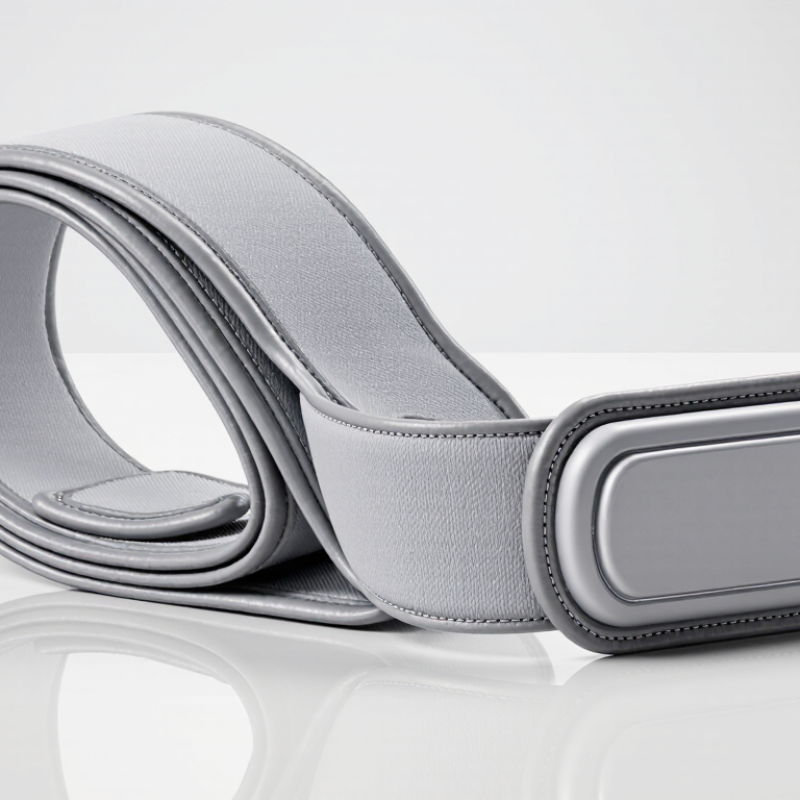
An EVA fitness belt is a supportive band made from ethylene-vinyl acetate foam. EVA is a closed-cell material with a light, flexible structure. In fitness products, its typical density ranges from 30 to 100 kg/m³. Lower-density foam feels softer and bends easily. Higher-density foam usually offers firmer compression and better shape retention.
The belt works through distributed pressure. When wrapped around the waist, it spreads contact across a wider area. This can improve comfort during lifting, training, or repeated movement. It may also reduce minor friction between clothing and skin. However, it does not create strength by itself. A tight belt cannot replace controlled technique, breathing, or proper coaching.
A 2024 EVA foam market report from Grand View Research identifies sports equipment as an established application area, alongside footwear and packaging. Material databases such as MatWeb list EVA properties across broad density and hardness ranges, which explains why two belts can feel very different. Density is useful, but it is not the whole story. Foam thickness, surface fabric, stitching, and compression recovery also matter. I would not treat 30–100 kg/m³ as a universal performance rule. A softer belt may feel comfortable during light exercise, while a firmer version may feel restrictive. Personal fit still needs honest testing.
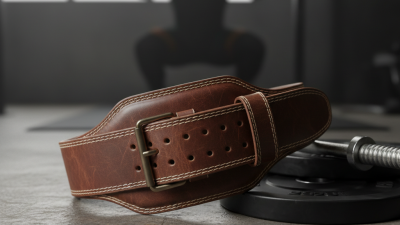
What Is an EVA Fitness Belt and How Does It Work?
An EVA fitness belt uses layered ethylene-vinyl acetate foam as its main support structure. The foam is lightweight, flexible, and resistant to repeated compression. A denser inner layer can spread pressure across the abdomen and lower back. A softer outer layer improves comfort against clothing or skin. In practical fitting, the belt should feel firm without creating sharp pressure under the ribs.
Compression zones shape how force moves through the belt. A wider center panel supports the lumbar area, while tapered edges reduce pinching during squats or deadlifts. Some designs add shallow grooves, helping the belt bend instead of folding. Fasteners matter too. Hook-and-loop closures allow quick adjustment, but they may loosen after sweat and repeated pulling. Buckles usually hold more consistently, although they can concentrate force at one point.
The National Institute for Occupational Safety and Health uses a 23-kilogram load constant in its Revised Lifting Equation under ideal conditions. A belt cannot make heavier lifting automatically safe. It mainly improves pressure distribution and body awareness. The International Organization for Standardization’s ISO 20957 testing framework also emphasizes stability and user protection in fitness equipment, though it does not certify every belt design. One limitation deserves attention: EVA foam thickness alone does not prove support quality. Poorly matched density, weak stitching, or uneven fastener tension can undermine the whole structure. Check the fit while moving, not only while standing still.
A fitness belt commonly uses layered EVA foam to combine cushioning, compression, and support. The representative cross-section below shows typical layer thicknesses used to explain how the core construction contributes to comfort and load distribution. Actual designs vary by size, fit, and intended activity.
The thicker structural EVA layer provides most of the belt’s compressive support, while the thinner comfort layer helps reduce pressure against the body. Support zones can improve stiffness around the midsection, and fasteners help maintain consistent tension. Together, these elements spread localized loads across a wider contact area instead of concentrating pressure at one point.
An EVA fitness belt uses ethylene-vinyl acetate foam, a light material with useful cushioning properties. During lifting or movement, its foam layer helps spread local pressure across the waist. It may soften minor knocks, but it cannot eliminate injury risk. Think of it as a buffer, not body armor.
Waist support comes from a firm outer structure and a shaped fit. When tightened correctly, the belt can remind users to brace their abdominal muscles. Controlled compression may limit excessive waist movement during squats, jumps, or loaded carries. It should feel secure, not restrictive. Numbness, sharp pressure, or difficult breathing signals poor adjustment. Fit is rarely perfect.
The World Health Organization recommends 150–300 minutes of moderate activity weekly for adults. An EVA belt does not replace that movement or proper technique. ACSM’s 2024 Worldwide Survey ranked wearable technology as the leading fitness trend, showing rising interest in body-support equipment. However, that report does not prove that compression belts improve strength or prevent injuries. The research gap matters. Users should test the belt during light sessions, check skin comfort, and avoid relying on compression to correct weak bracing habits.
| Data Dimension | How an EVA Fitness Belt Works | Practical Effect | Important Consideration |
|---|---|---|---|
| Primary Material | Ethylene-vinyl acetate (EVA) is a lightweight, flexible foam commonly used as padding and protective cushioning. | Provides a soft, resilient layer between the body and external contact or movement. | EVA density and thickness vary by product, so firmness and support are not identical across all belts. |
| Impact Absorption | The foam compresses when exposed to pressure or minor impact, helping spread force over a broader area. | May improve comfort during floor exercises, contact activities, or movements involving repeated abdominal contact. | It is cushioning rather than certified protective equipment and should not be treated as protection from severe impact. |
| Waist Support | A close-fitting belt can provide external contact around the waist and may help the wearer maintain awareness of trunk position. | Can make the midsection feel more secure during selected low- to moderate-intensity activities. | It does not replace core-muscle strength, proper lifting technique, or professional medical support. |
| Controlled Compression | Stretch fabric, hook-and-loop closures, or adjustable panels allow the wearer to set the belt's tightness. | Creates adjustable pressure and a more stable fit while allowing normal breathing and movement when correctly sized. | Compression should feel supportive, not painful, restrictive, numb, or irritating. |
| Motion and Fit | The belt follows the waist when its length, height, and fastening tension match the user's body shape and activity. | A suitable fit reduces shifting, rolling, and unnecessary pressure during movement. | An oversized belt may move around; an undersized or overly tight belt may limit comfort and breathing. |
| Moisture and Comfort | EVA foam itself has low water absorption, while the outer fabric and ventilation design influence sweat management. | Can remain relatively lightweight during exercise and is generally easy to wipe clean. | Allow the belt to dry fully after use to reduce odor and preserve material condition. |
| Typical Uses | Often used for general fitness, warm-up routines, floor exercises, light training, and activities requiring added waist awareness. | Offers cushioning and adjustable support without the rigid structure of a hard brace. | Suitability depends on the activity, personal comfort, fit, and any existing medical condition. |
| Safety Check | The belt should permit comfortable breathing, normal circulation, and an unrestricted range of motion. | Correct use supports comfort rather than forcing the waist into a fixed position. | Stop using it if pain, tingling, numbness, skin discoloration, dizziness, or breathing difficulty occurs. |
An EVA fitness belt uses closed-cell ethylene-vinyl acetate foam for cushioning and support. Its performance depends on resilience, water absorption, and flexibility.
Resilience describes how quickly the foam returns after compression. A resilient belt feels springy around the waist during lifting, stretching, or balance training.
ISO 3386-1 evaluates flexible cellular materials through compression-stress testing. It helps manufacturers compare firmness and recovery under controlled conditions.
Water absorption below 5% is a useful target for sweaty workouts. ASTM D570 measures water uptake by tracking weight gain after immersion. Lower absorption can reduce odor retention, added weight, and slow drying.
Still, 5% is not magic. Testing time, temperature, foam density, and surface coatings can change the result. A belt may pass laboratory testing but feel clammy after repeated outdoor use. That gap deserves attention.
Tips:
Check the test method, not only the percentage. Bend the belt slowly and watch for whitening, cracks, or permanent folds. Flexibility should support movement without collapsing under pressure. Industry materials testing also shows that density affects cushioning and recovery, so compare products with similar density ranges. I would measure the belt after several sessions, not just on day one. Real use is messier than a report.
An EVA fitness belt uses ethylene-vinyl acetate foam for flexible support, cushioning, or resistance during exercise. Its light structure spreads contact around the waist instead of concentrating force in one narrow area. A correct fit should feel secure, not restrictive. You should breathe normally and move without numbness, tingling, or sharp pressure. Check the product’s stated pressure limit before training. There is no universal limit for every belt, and exceeding the listed range may damage the material or strain your body.
Skin contact also deserves attention. Wear the belt over clean, dry skin or a thin, breathable layer. Stop using it if you notice burning, itching, redness, or swelling. I have seen people tighten belts after sweating, assuming extra pressure means better support. It usually creates discomfort instead. The belt should remain stable during movement without leaving deep marks. If pain continues, consult a qualified healthcare professional rather than adjusting the belt repeatedly.
Clean EVA foam with lukewarm water and mild soap after heavy use. Wipe away sweat from seams and fasteners, then air-dry it away from direct heat. Avoid solvents, bleach, rough brushes, and hot dryers. Inspect the belt regularly. Cracks, permanent flattening, loose closures, or a strong odor that remains after cleaning indicate replacement. I would replace it earlier when its shape changes, even if it still looks usable. That judgment is imperfect, but worn foam can provide less predictable support.