Leave Your Message
Choosing the best weightlifting belt starts with your training needs, not a logo or an impressive thickness. A belt should support controlled bracing during heavy squats, deadlifts, and Olympic lifts. It should not replace sound technique, progressive programming, or qualified coaching.
The American College of Sports Medicine’s resistance-training guidance emphasizes gradual progression, stable technique, and individualized exercise selection. The National Strength and Conditioning Association also treats supportive equipment as part of a broader performance system, rather than a shortcut to strength. Research published in Medicine & Science in Sports & Exercise has reported changes in lifting mechanics and trunk pressure when athletes use belts. However, the evidence does not prove that every lifter needs one. That distinction matters.
Fit matters most.
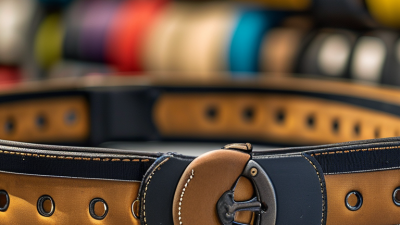
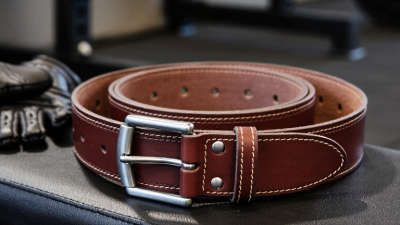
A belt that digs into the ribs can disrupt breathing and concentration. A loose belt may shift when you brace, especially during a deep squat. Powerlifting belts often use firm, uniform support, while contoured belts may feel more comfortable during varied sessions. Leather, nylon, buckle design, width, and break-in time also affect daily use. These details are easy to overlook in product comparisons.
This guide examines Weightlifters Belts through practical training experience, published research, and recognized strength-and-conditioning guidance. It will compare belt types, sizing methods, support levels, and appropriate use cases. Some recommendations remain judgment-based, because athletes differ in anatomy, lifting style, and tolerance. That is not a flaw to hide. It is a reason to choose carefully, test gradually, and reassess your equipment as your training changes.
How to Choose the Best Weightlifting Belt?
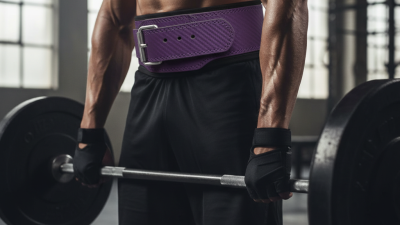
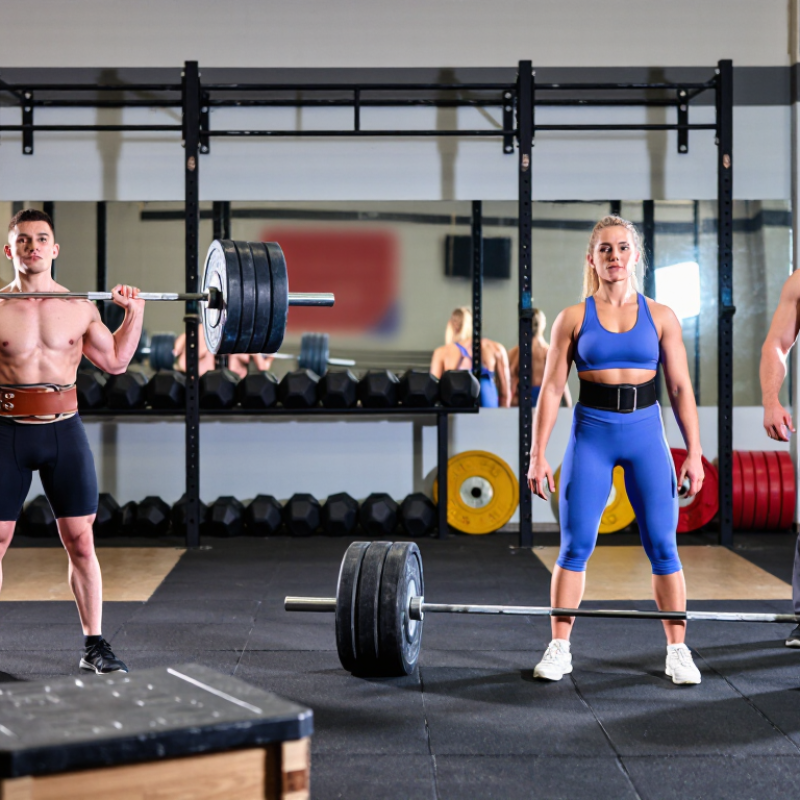
A weightlifting belt supports your bracing during heavy squats, deadlifts, and similar lifts. It does not hold your spine in place or replace proper technique. Instead, the belt gives your abdominal wall something firm to press against. This can increase trunk stiffness when you create controlled pressure around your midsection. It is not armor.
You usually need one when heavy loads challenge your position, breathing, or confidence. Many lifters use a belt for their hardest working sets, not every repetition. Lighter training should still develop natural bracing and body control. I used to wear a belt too early, then noticed my unbelted technique needed more attention. That mistake changed how I train.
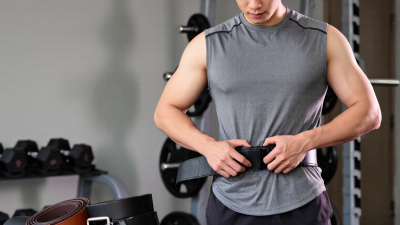
Choose a belt that feels secure without restricting a full breath. A consistent width often provides stable support, while the thickness should match your experience and comfort. Fit matters. It should sit firmly around your waist, without digging into your ribs or hips. Test it with an empty-bar squat, a deep breath, and a strong brace. If you cannot move naturally, the belt is too tight or poorly positioned. Beginners may benefit more from coaching and practice than immediate equipment. Experienced lifters should still adjust gradually, adding the belt before fatigue ruins their technique. I sometimes prefer a slightly less rigid belt for longer sessions, although that choice is personal and worth reassessing.
| Decision Area | Key Facts | Practical Recommendation | Important Consideration |
|---|---|---|---|
| What a Belt Does | A weightlifting belt increases pressure around the abdomen when the lifter braces. This can improve trunk stiffness and support during heavy compound lifts. | Use it as a bracing aid, not as a substitute for proper technique, breathing, or core training. | A belt does not replace coaching, progressive loading, or appropriate warm-up routines. |
| When to Consider One | A belt may be useful for demanding sets of squats, deadlifts, cleans, presses, and other lifts that require strong trunk stability. | Consider wearing one when loads become challenging or when maintaining a rigid torso is the main limitation. | Beginners can learn bracing and movement patterns effectively without immediately relying on a belt. |
| When You May Not Need One | Belts are generally unnecessary for light warm-ups, machine exercises, isolation movements, and many moderate-load training sets. | Use the belt selectively rather than wearing it for every exercise or every set. | Frequent use is not required to develop abdominal and spinal erector strength. |
| Belt Width | Common belts range from approximately 4 to 6 inches in width. A wider belt can provide more contact area, while a narrower belt may allow greater mobility. | Choose a width that supports your torso without digging into the ribs, hips, or thighs. | A uniform-width belt offers consistent support; tapered designs may be more comfortable for Olympic-style movements. |
| Belt Thickness | Thicker belts are typically stiffer and provide a more rigid feel. Thinner belts are usually lighter and easier to move with. | Choose a stiff, thicker belt for heavy squats or deadlifts; choose a less rigid option if comfort and mobility are priorities. | More thickness does not automatically mean better performance or a better fit. |
| Material | Leather belts are durable and become more flexible with use. Nylon and other synthetic belts are generally lighter and more flexible. | Select leather for firm support and long-term durability, or synthetic material for comfort, lighter weight, and easier adjustment. | Material quality, stitching, edging, and fastening construction affect durability. |
| Fastening System | Common systems include single-prong, double-prong, lever, and hook-and-loop fasteners. | Choose a prong system for simple adjustability, a lever for quick and consistent tightening, or hook-and-loop for easy changes between users. | The fastening system should remain secure while allowing the belt to be removed safely after a set. |
| Fit Around the Waist | The belt should sit securely around the trunk without restricting normal breathing or causing sharp pressure points. | Measure the area where the belt will be worn rather than relying only on trouser size. | Waist measurements can differ from clothing sizes, and the belt should fit over the clothing normally used for training. |
| Correct Tightness | The belt should be snug enough to brace against but not so tight that it prevents a full breath or causes numbness and pain. | Brace the abdomen in all directions against the belt while keeping the ribs and pelvis controlled. | A belt that slips, pinches, or interferes with movement is probably too loose, too tight, or poorly positioned. |
| Powerlifting Focus | Squats and deadlifts typically benefit from a firm, uniform-width belt that supports strong bracing under heavy loads. | Prioritize stiffness, secure fastening, and a stable fit. | A wider, rigid belt may restrict some torso movement and should be tested before purchase. |
| Olympic Weightlifting Focus | Snatches and cleans involve rapid movement and receiving positions that require considerable hip and torso mobility. | Consider a tapered or more flexible belt that provides support without limiting movement. | Comfort in the receiving position is especially important when selecting belt width and shape. |
| General Strength Training | For mixed training, a moderate-width belt with adjustable support can work across squats, deadlifts, presses, and accessory exercises. | Choose versatility and comfort if your program includes several lifting styles. | There is no single belt design that is ideal for every exercise, body shape, and training goal. |
| Safety and Technique | A belt can help with bracing but cannot prevent all lifting injuries or correct poor mechanics. | Learn proper setup, breathing, range of motion, and load progression before increasing training intensity. | Stop training and seek qualified medical or coaching advice if lifting causes persistent pain, numbness, or unusual symptoms. |
| Best Overall Selection Criteria | The most suitable belt balances support, fit, comfort, mobility, fastening security, material quality, and the lifter's primary exercises. | Choose the belt that matches your training style and body dimensions rather than selecting solely by price or maximum stiffness. | A properly fitted, consistently used belt is more practical than an advanced design that is uncomfortable or difficult to adjust. |