Top 10 Leather Weightlifting Belts for Ultimate Support?
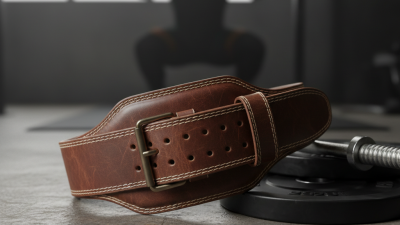
When it comes to weightlifting, a reliable Leather Weightlifting Belt can make a significant difference. These belts provide essential support for your lower back during intense lifting sessions. They help stabilize your core and enhance your overall performance in the gym. Choosing the right belt is not just about brand or style; it's about finding a belt that fits your body and your lifting routine.
There are many options on the market, but not all are created equal. A high-quality Leather Weightlifting Belt ensures durability and comfort. It should fit snugly without restricting your movement. However, many lifters struggle to find their perfect match. Often, they rely on promotions rather than genuine quality. This mindset can lead to disappointment when the belt doesn’t perform as expected.
In this guide, we’ll explore the top 10 leather weightlifting belts that promise durability, support, and comfort. Each belt brings unique features to the table, and understanding them can help lift your training to the next level. Engage with our picks and reflect on what your training truly needs. The right belt may be waiting for you.
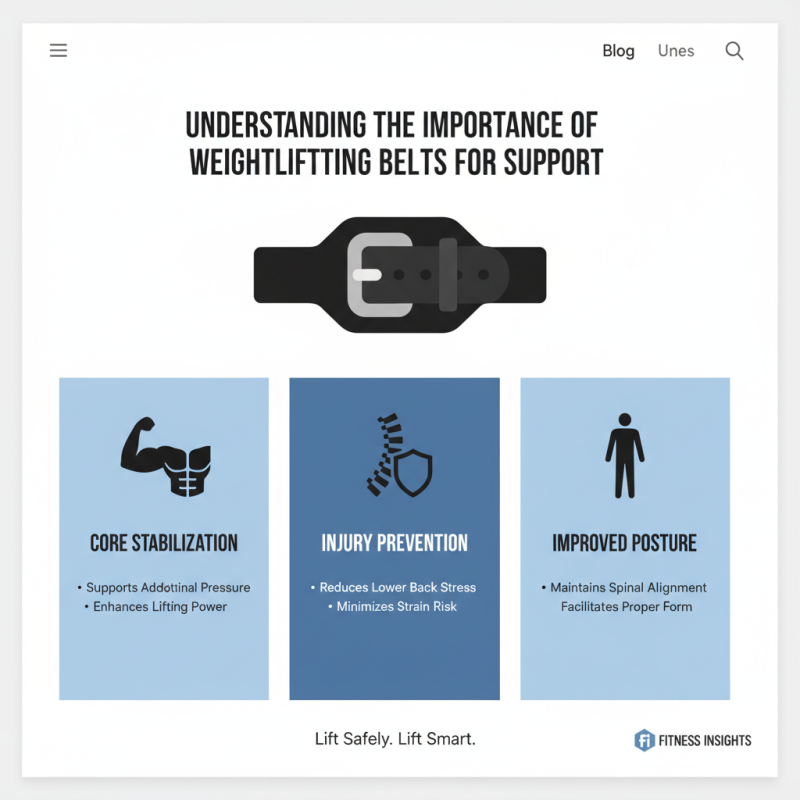
Understanding the Importance of Weightlifting Belts for Support
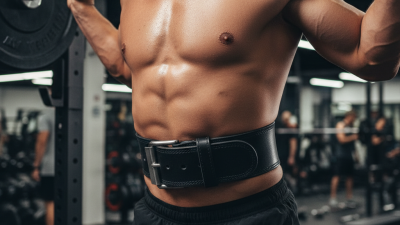
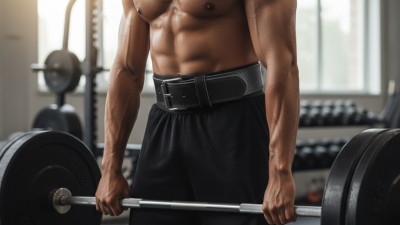
Weightlifting belts serve a crucial role in providing support during heavy lifts. They help stabilize the core, which is vital for effective lifting. When you strain your muscles, a belt can reduce the risk of injury, especially in the lower back. This added support allows lifters to maintain proper posture during intense workouts.
However, it is essential to use a weightlifting belt correctly. Over-reliance on a belt can lead to weaker core muscles. Lifters must balance their training by including exercises that strengthen their core without the belt. Finding the right fit and material is also vital, as not all belts offer the same level of support or comfort.
Wearing a belt at the wrong time may hinder performance. It is beneficial during heavy lifts, but not for lighter exercises. Lifters should be mindful of when and how they use their belts. Listening to your body is key. If something feels off, acknowledge it. Adjust your training accordingly. Personal experience shapes the relationship with weightlifting belts. Proper understanding ensures they enhance, rather than detract from, training effectiveness.
Key Features to Look for in Leather Weightlifting Belts
When choosing a leather weightlifting belt, consider the essential features that enhance performance and safety. A high-quality leather belt offers durability and firm support. Look for belts with a width of at least 4 inches to ensure adequate lumbar support during lifts. The thickness of the leather is also crucial; it should be at least 10mm to withstand heavy loads.
Another key feature is the buckle mechanism. A sturdy buckle is vital for consistent tension, stabilizing your core during lifts. Quick-release buckles are practical for transitioning between exercises. Ensure the belt fits snugly without compromising your movement. A proper fit aids in developing muscle memory, which is essential for lifting techniques.
Tip: Before purchasing, try on the belt with proper lifting attire. This helps find the right size and ensures comfort during workouts. Another aspect to ponder is break-in time. A new leather belt may feel stiff initially but will conform to your body over time. This process can take several workouts. Remember that a well-broken-in belt enhances your lifting experience. Don't rush this phase; give it time to adjust. Adjusting your belt is a small but important detail that impacts your lifting form.
Top 10 Highly Rated Leather Weightlifting Belts on the Market
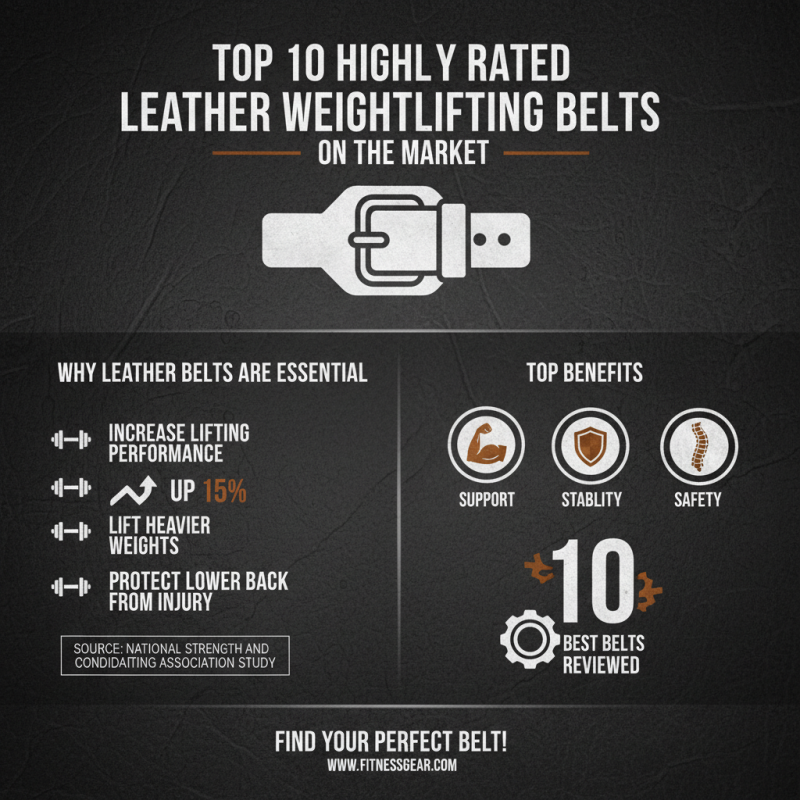
When it comes to weightlifting, a supportive leather weightlifting belt is essential. A study by the National Strength and Conditioning Association shows that belts can increase lifting performance by up to 15%. This statistic underscores the importance of choosing the right belt. Proper support not only helps in lifting heavier weights but also protects the lower back from injury.
The market for leather weightlifting belts has grown significantly. According to a 2022 report by the International Health, Racquet & Sportsclub Association, leather belts have gained popularity for their durability and comfort. They often provide better support than synthetic alternatives, as leather molds to the body over time. Comfort is key for serious lifters, and a well-constructed leather belt can enhance lifting form, thereby improving overall performance.
Customers often struggle to choose the best option. Reviews indicate that beyond comfort and support, factors like width and thickness matter. A standard width of 4 inches is recommended for effective support. However, many lifters find that personal preference plays a big role. Some may prefer a thicker belt for additional support, while others opt for a thinner version for flexibility. This subjective choice reflects a need for lifters to test different styles and find what works best for them.
Comparative Analysis of Price and Quality in Weightlifting Belts
When it comes to weightlifting, a quality leather belt is essential for support and safety. Not all belts are created equal. Their prices can vary significantly based on materials and construction methods. A well-constructed leather belt can enhance performance. However, it’s crucial to weigh the benefits against the cost.
Many affordable belts on the market may compromise on quality. They can wear out quickly, offering little support when needed most. Conversely, premium belts often use superior leather and craftsmanship. The price tag reflects this quality, ensuring durability and effectiveness over time.
It’s important to find the right balance between price and quality. Some lifters may struggle with this decision. They might opt for a cheaper option and end up disappointed. Understanding the different types of leather and how they impact performance is vital.
Seek out reviews and experiences from others in the community. Their insights can guide your choice significantly.
Tips for Properly Using and Maintaining Your Weightlifting Belt
When using a leather weightlifting belt, proper technique is key to maximizing support.
Position the belt snugly around your waist, just above your hips.
This placement helps stabilize your core during lifts. Not too tight, though. You should still be able to breathe deeply.
Pay attention to how it feels. Over time, you may need to adjust it for comfort.
Cleaning and maintaining your belt can extend its life. Avoid soaking it in water, as this can damage the leather.
Instead, wipe it down with a damp cloth after each use. Use a leather conditioner every few months to keep it supple.
Remember, a well-maintained belt can perform better and support you longer.
But if you notice cracks or excessive wear, consider replacing it. Don't push limits with damaged equipment.
Always prioritize safety in your training.