Top Weightlifting Belt Tips for Beginners and Pros?
When it comes to weightlifting, the right gear matters significantly. A crucial piece of equipment for both beginners and seasoned lifters is the weightlifting belt. This sturdy accessory provides essential support to the core during heavy lifts. Wearing a weightlifting belt can enhance stability and help prevent injuries when lifting. Many athletes find that it boosts their confidence under heavy load.
However, choosing a weightlifting belt can be overwhelming. There are various options available, each with unique features and specifications. This can lead to confusion, especially for beginners. Proper education on the selection and use of a weightlifting belt is vital. It ensures that lifters make informed choices and maximize their performance without risking injury.
Whether you're just starting or looking to refine your technique, understanding the benefits of a weightlifting belt is crucial. It’s about more than just protection. It’s also about enhancing your overall strength training experience. Embracing this tool effectively can lead to significant improvements in your lifting journey.
Understanding the Purpose and Benefits of Weightlifting Belts
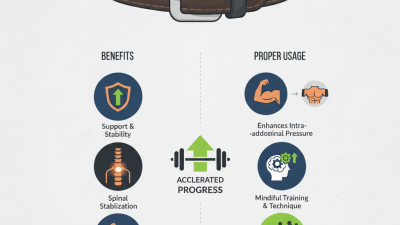
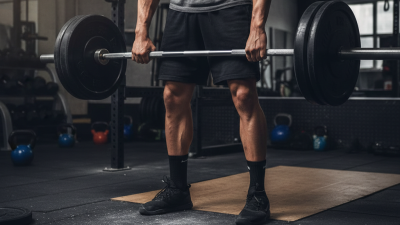
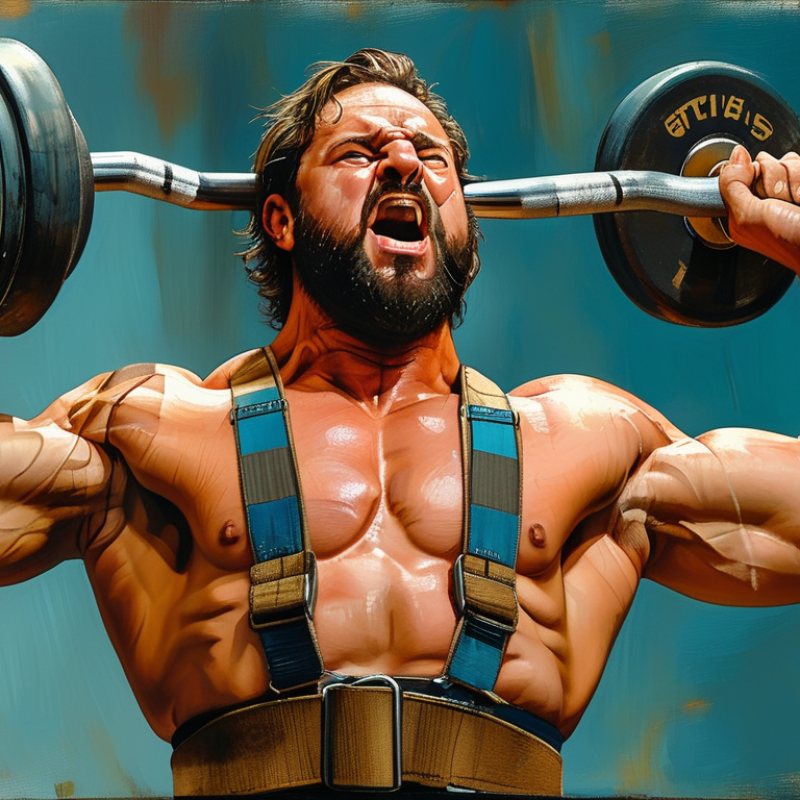
Weightlifting belts serve a crucial role in strength training. They help stabilize the core, providing support during heavy lifts. A belt can increase intra-abdominal pressure, enhancing spinal support. This added stability is especially beneficial during squats and deadlifts.
Beginners often underestimate the difference a belt can make. However, relying too much on it may weaken core muscles over time.
Understanding how these belts operate is vital. When worn correctly, they encourage proper lifting technique and body alignment. This is especially important for avoiding injuries. Many lifters feel a false sense of security, though. It’s essential to focus on building a strong core independently.
Weights should not be lifted solely because a belt is being used. Using a weightlifting belt can enhance performance, but awareness is key. Not every lift requires a belt. Sometimes, it’s best to train without one to develop strength. Reflect on personal lifting techniques and listen to your body. This approach fosters growth and safety in the gym.
Choosing the Right Weightlifting Belt: Materials and Styles Explained
Choosing the right weightlifting belt can significantly impact your performance. Different materials and styles serve unique purposes. A leather belt offers durability and support, while a synthetic option may provide flexibility for certain movements. Many lifters prefer a width of 4 inches for optimal back support, but this varies based on individual preference and body type.
When selecting a belt, consider the type of lifting you’ll do. Powerlifters often opt for thicker, stiffer belts, as they require maximum support during heavy lifts. In contrast, bodybuilders might choose lighter options for comfort during higher-rep workouts. According to research from the National Center for Biotechnology Information, proper belt usage can enhance stability and facilitate greater lifting weights.
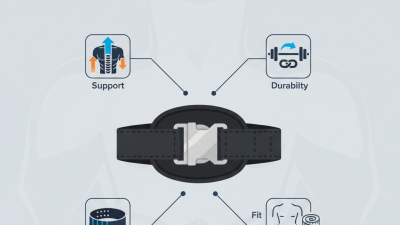
Tip: Always try on different belts before purchasing. A comfortable fit is essential to achieving the best results. Remember to pay attention to the buckle style as well. Lever buckles can be convenient for quick adjustments, while prong buckles offer a more custom fit. Investing in quality materials pays off in durability and performance.
Top Weightlifting Belt Tips for Beginners and Pros
Proper Techniques for Wearing a Weightlifting Belt Effectively
Wearing a weightlifting belt correctly can enhance your lifting experience. It’s crucial to position the belt properly on your waist.
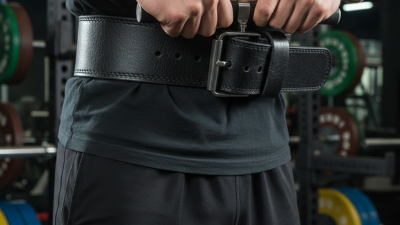
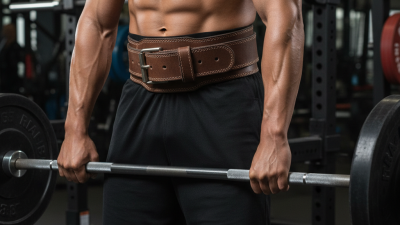
The belt should sit snugly just above your hip bones. This placement provides support without restricting movement. Belts are designed to stabilize your core, allowing for better lifts.
But a poorly positioned belt can hinder your performance.
As you prepare for a lift, take a deep breath. Brace your core tightly before you initiate the movement. This technique works in harmony with the belt.
The combination increases intra-abdominal pressure. However, rely too much on the belt,
and you risk weak core muscles over time. Use the belt wisely. It should be a tool, not a crutch.
Evaluate your technique regularly. If the belt feels uncomfortable, it could be too loose or too tight. Adjusting it can make a significant difference.
Also, pay attention to your form. A weightlifting belt won’t correct poor lifting habits. It’s an aid, not a fix-all solution.
Understanding these nuances will help you become a more effective lifter.
Common Mistakes to Avoid When Using a Weightlifting Belt
When using a weightlifting belt, many beginners and even experienced lifters make common mistakes that can hinder progress. One important point is to avoid relying solely on the belt. A lifting belt should support your core, not replace proper form and technique. Instead, prioritize learning correct lifting mechanics to maximize gains while wearing the belt.
Another mistake is wearing the belt too loosely. A slack belt does not provide the needed support. Make sure it fits snugly around your waist. Tighten it adequately to create intra-abdominal pressure. This pressure stabilizes your spine and enhances performance during heavy lifts. Remember, the belt is not a magic solution; it only helps when used correctly.
Finally, many lifters forget to engage their core even with the belt. Just strapping on a belt won't yield benefits if your core remains disengaged. Practice breathing techniques and focus on core activation while lifting. This combination of belt use and core stability leads to safer and more effective lifting sessions.
Top Weightlifting Belt Tips for Beginners and Pros - Common Mistakes to Avoid When Using a Weightlifting Belt
| Tip |
Description |
Common Mistake |
Solution |
| Choose the Right Size |
Ensure the belt fits your waist properly for optimal support. |
Wearing a belt that is too tight or too loose. |
Measure your waist before purchasing. |
| Positioning the Belt |
Wear the belt around the waist, over the abdomen. |
Placing the belt too low or high on the body. |
Adjust the positioning before lifting. |
| Proper Tightening |
The belt should be snug, allowing breathability. |
Over-tightening the belt can restrict movement. |
Tighten just enough to feel support, but comfortable. |
| Use During Heavy Lifts |
Wear a belt during squats and deadlifts for back support. |
Using the belt for every exercise, including lighter lifts. |
Reserve the belt for heavy compound lifts only. |
| Practice Without a Belt |
Train your core strength by lifting without a belt sometimes. |
Relying solely on the belt for all lifts. |
Incorporate beltless training to build core stability. |
Maintenance and Care Tips for Longevity of Your Weightlifting Belt
Taking care of your weightlifting belt is essential for its longevity. Regular cleaning is crucial. Use a damp cloth to wipe away sweat and dirt after each session. Avoid soaking your belt, as excess moisture can lead to damage. For leather belts, consider a gentle cleaner designed for leather to maintain its supple texture.
Storing your belt properly also impacts its lifespan. Hang it in a cool, dry place, away from direct sunlight. Avoid folding or crushing it, as this can cause creases or deformation. If you notice any wear or tear, address it immediately. You might think a small fray doesn’t matter, but ignoring it can lead to bigger problems later.
Finally, be mindful of how you use your belt. Over-tightening can strain the material. While you want a snug fit, it should not restrict your movement. Take time to adjust to a comfortable level. Reflecting on these maintenance practices will ensure your belt remains a reliable support for your lifting journey.