Leave Your Message

Why Choose a Leather Weightlifting Belt?

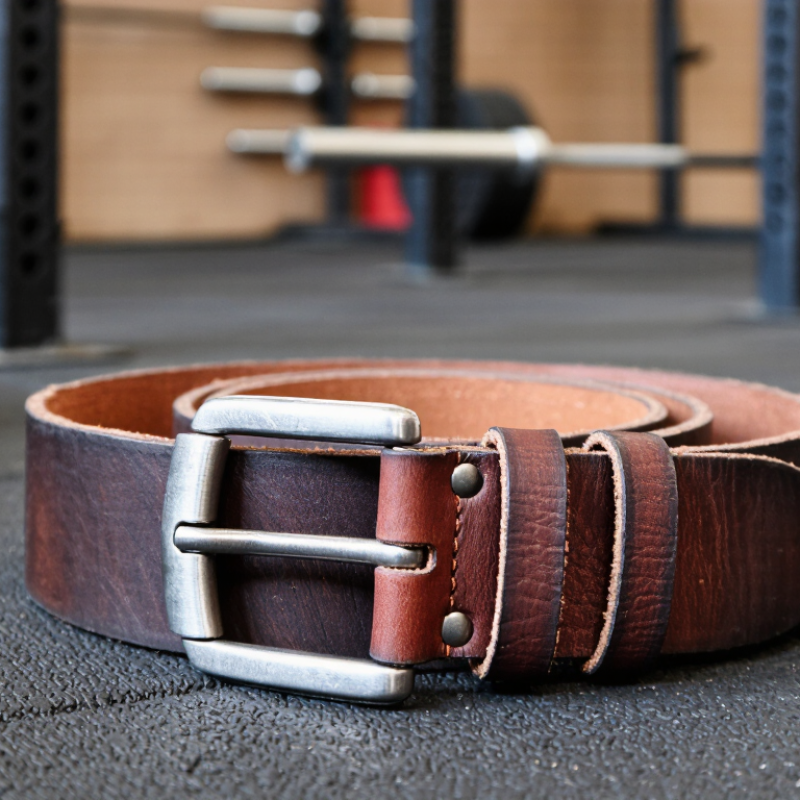
A Leather Weightlifting Belt offers firm support during heavy squats, deadlifts, and pressing movements. Its dense leather construction usually feels stable around the waist. Unlike soft fabric belts, it may resist folding under pressure. That difference becomes noticeable beneath a loaded barbell.

Experienced lifters often value a belt that remains consistent through repeated training sessions. A well-fitted model can encourage better bracing by giving the abdomen something solid to press against. It does not replace sound technique, gradual progression, or proper breathing. Those fundamentals still matter most. A belt is support, not a shortcut.

Leather also develops character with use. The surface may darken, soften slightly, and show marks where the buckle rests. That can feel reassuring. However, leather requires care and may feel stiff during the first few workouts. It is not flawless. Some athletes prefer nylon because it adjusts faster or feels less restrictive. Personal comfort matters.

Choosing the right belt involves more than appearance. Check its width, thickness, fastening system, and fit around your ribcage and hips. The belt should feel secure without limiting controlled movement. A reputable manufacturer should provide clear sizing guidance and consistent material information. Independent reviews can help, but fit remains individual.

For lifters who appreciate durability, structure, and a traditional training feel, leather can be a practical investment. It may last for years when stored dry and cleaned appropriately. Still, expectations should remain realistic. A strong belt cannot correct poor positioning or rushed programming. Its value appears when it supports disciplined habits, not when it replaces them.
Why Choose a Leather Weightlifting Belt?

What Is a Leather Weightlifting Belt?

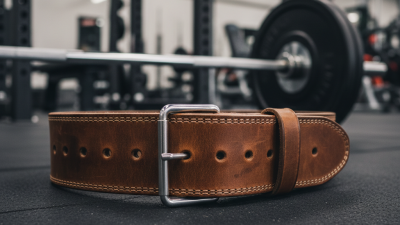
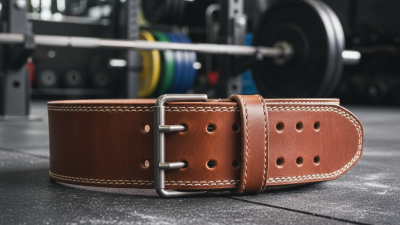
A leather weightlifting belt is a supportive band worn around the waist during heavy resistance training. It usually uses thick, layered leather, a metal buckle, and reinforced holes for adjustment. Unlike a soft fabric belt, leather feels firm against the abdomen and creates a stable surface for bracing. This pressure can help lifters maintain trunk control during squats, deadlifts, and presses.

It is not body armor. A belt cannot replace proper technique, breathing, or gradual strength development. In practical training, the best fit feels secure without restricting a full breath. Too loose, and it shifts when the bar leaves the floor. Too tight, and the lifter may avoid natural abdominal expansion. The lower edge should not dig sharply into the ribs or hips.

Leather also changes with use. It may soften, crease, and develop small surface marks over time. That is normal. Cracks near the buckle deserve attention. Wipe away sweat after training, let the belt dry naturally, and avoid soaking it. A common mistake is choosing the thickest belt available. More material does not always mean better support. Some lifters need a narrower profile for comfort and movement. Others prefer extra stiffness for maximal attempts. Personal anatomy matters, and fit can require honest adjustment.
Why Choose a Leather Weightlifting Belt?

What Is a Leather Weightlifting Belt?

A leather weightlifting belt is a supportive training belt made from layered or single-piece leather. Common belts are designed with a uniform width of approximately 100 mm (4 inches), while thickness varies according to the intended level of support and training preference.

The chart shows common leather belt thickness options of 10 mm, 13 mm, and 15 mm. Thicker leather generally provides a firmer, more rigid feel, while thinner belts may offer greater flexibility and comfort during varied exercises. Actual support also depends on leather quality, construction, fit, and buckle design.

How a Leather Belt Supports Lifting Mechanics

Why Choose a Leather Weightlifting Belt?

A leather belt supports lifting mechanics by giving the trunk a firm surface to brace against. During a heavy squat or deadlift, the lifter can expand the abdomen in all directions. The belt then provides tactile feedback around the midsection. It does not lift the weight for you. You still need controlled breathing, a neutral spine, and deliberate foot pressure.

Research supports this mechanical role, but not every claim made about belts is reliable. A study in Medicine & Science in Sports & Exercise reported that belt use increased intra-abdominal pressure during heavy lifting, helping lifters stabilize the torso. Research by Kingma and colleagues in the Journal of Biomechanics also examined how belts affect spinal loading and muscle activity. These findings suggest support, not guaranteed injury prevention. That distinction matters.

Leather usually feels firm under pressure. Its limited stretch can help maintain consistent contact while the bar moves from the floor. A practical fit should feel secure without restricting a full breath. If the belt forces the ribs upward, it may disturb bracing mechanics. Experienced coaches often test this with warm-up sets, not assumptions. My own view is imperfect: a rigid belt can improve confidence, yet confidence may hide weak positioning. The National Strength and Conditioning Association emphasizes technique and progressive loading, which remain more important than equipment. Use the belt as feedback. Not as a shortcut.

Key Benefits of Choosing Leather Construction

Leather weightlifting belts are valued for their firm, dependable construction. During heavy squats and deadlifts, a well-fitted belt gives the torso a stable surface to brace against. This can make pressure control feel more consistent. The leather usually feels rigid at first. After repeated training, it gradually molds to the lifter’s waist.

In coaching sessions, I have noticed that leather belts often stay secure during slow, demanding lifts. Their strong backing resists excessive folding, especially when the athlete maintains proper posture. The material also offers useful feedback. You can feel when the belt is too loose or painfully tight. That detail matters because a belt should support bracing, not replace it. Technique still comes first.

Durability is another practical benefit. Quality leather can handle regular friction, sweat, and repeated tightening when cared for properly. Wiping it after training may prevent moisture from weakening the surface. However, leather is not maintenance-free. It may become stiff, crack, or feel uncomfortable if neglected. My early assumption was wrong: a harder belt is not automatically better. Comfort, width, fit, and lifting style must work together. A belt that distracts you can reduce confidence, even when its construction is excellent.

How to Select the Right Leather Weightlifting Belt

Choosing the right leather weightlifting belt starts with fit, not appearance. Measure your waist where the belt will sit, usually around the midsection during training. Use that measurement against the maker’s sizing chart. Do not rely on your trouser size. Fit matters most. A secure belt should feel firm without restricting normal breathing.

Consider the belt’s width, thickness, and fastening system. A wider design can support the abdomen during squats and deadlifts, while a narrower profile may feel less intrusive during presses. Thick leather often becomes more supportive with use, but it may feel rigid at first. I once selected a very stiff belt because it looked durable. That judgment was wrong. It took several sessions to move comfortably, and I avoided wearing it for lighter work.

Check the stitching, edge finishing, holes, and buckle before buying. Even spacing and clean seams suggest careful construction, although appearance alone cannot prove durability. A belt should stay stable when you brace, not slide upward or dig into your ribs. Try several breathing positions if possible. Walk, hinge, and perform a controlled bodyweight squat. If the belt pinches, leaves sharp pressure points, or prevents a deep breath, choose another size or shape. Leather also needs basic care. Keep it dry, wipe away sweat, and store it flat. Its long-term performance depends partly on your habits.

Why Choose a Leather Weightlifting Belt? - How to Select the Right Leather Weightlifting Belt

Selection Dimension Recommended Specification Why It Matters Best Fit
Leather construction Full-grain leather is the most durable option; top-grain leather is usually smoother and more uniform. Dense leather can resist stretching and provide consistent support over repeated training sessions. Frequent strength training and long-term use.
Belt thickness Approximately 10–13 mm for a rigid powerlifting-style belt; around 6–10 mm for a more flexible general-training belt. Thicker leather generally offers greater stiffness, while thinner leather is easier to bend and break in. Heavy squats and deadlifts: thicker; mixed workouts: medium thickness.
Belt width A consistent 10 cm width is common for powerlifting; contoured designs may use a wider back section and a narrower front section. A wider back can increase contact with the torso, but excessive width may press into the ribs or hips. Choose a uniform width for maximum rigidity or a contoured profile for improved comfort.
Closure system Single-prong buckle for simplicity; double-prong for extra strap stability; lever or quick-release systems for fast adjustments. The closure should hold the selected tension securely without shifting during a set. Single-prong: everyday use; lever: consistent setup; quick-release: frequent adjustment.
Buckle and hardware Look for firmly attached, corrosion-resistant metal hardware with clean welds or reinforced mounting points. Hardware carries the tension transferred through the belt and should not loosen, bend, or have sharp edges. Heavy loads and high-frequency training.
Stitching and edge finish Use dense, even stitching and smooth, rounded or sealed edges without loose threads or exposed fibers. Good finishing reduces premature separation, abrasion, and discomfort against clothing or skin. Any user seeking durability and comfortable daily wear.
Size selection Measure around the abdomen where the belt will sit, then compare that measurement with the manufacturer’s usable-hole range. Pant size is not a reliable substitute because belt position and body shape vary. Select a size that places normal training tension near the middle of the adjustment range.
Fit and positioning The belt should sit firmly around the torso without obstructing normal breathing, bracing, hip movement, or rib movement. A secure but non-painful fit allows the lifter to brace against the belt while maintaining safe movement mechanics. Adjust position slightly for squats, deadlifts, and pressing movements if needed.
Break-in period Expect firm leather to soften gradually through regular use; avoid sharply folding or aggressively bending it. Controlled break-in helps the belt conform to the torso without damaging the leather structure. New leather belts that feel stiff at first.
Care and storage Wipe away sweat, allow the belt to air-dry naturally, and store it flat or loosely rolled in a dry, ventilated place. Moisture and excessive heat can contribute to odor, drying, cracking, or deformation. All leather belts, especially those used frequently.
Training purpose Choose a rigid belt for heavy compound lifts and a more flexible belt for moderate loads, circuits, or varied movements. The ideal balance of support and mobility depends on the exercise, load, technique, and training style. Match belt stiffness to the movements performed most often.

Note: A weightlifting belt is a bracing aid, not a substitute for sound technique, progressive training, or professional medical advice.

Proper Use, Fit, and Maintenance of a Leather Belt

A leather weightlifting belt works best when it supports proper bracing, not when it replaces it. I tighten the belt around my waist, usually above the hip bones, then take a deep breath into my abdomen. The belt should feel firm without restricting a full breath. Too loose, and it offers little feedback. Too tight, and it can change your lifting position.

Fit depends on the exercise and your body shape. A belt should stay stable during squats, deadlifts, and heavy carries. I test it with several warm-up sets before adding weight.

The buckle should close securely, while the leather should not dig sharply into the ribs or hips. Small adjustments matter. I once tightened my belt too much and ignored my breathing, which made the set feel stronger than it was. That was poor judgment.

Use the belt during demanding sets, rather than every light warm-up. Keep your trunk active and maintain controlled technique. After training, wipe away sweat with a dry cloth and let the belt air-dry naturally. Avoid heaters, direct sunlight, and excessive moisture. A small amount of suitable leather conditioner may help occasionally, but over-conditioning can soften the leather too much. Check the stitching, holes, buckle, and edges regularly. If any part feels unsafe, stop using it until a qualified strength professional inspects it. Keep it flat or loosely rolled in a dry place. Proper care takes minutes.