Strength training is no longer a niche pursuit. The American College of Sports Medicine’s 2025 Worldwide Survey placed traditional strength training among the leading global fitness trends. The Health & Fitness Association’s 2024 consumer report also recorded 72.9 million U.S. fitness-facility members in 2023. More lifters now face the same practical question: does a lifting belt improve training, or simply feel reassuring?
This guide, “10 Best Gym Belts for Weightlifting,” examines support, material quality, closure systems, comfort, and value. It also considers real training details. A belt should sit firmly around the torso, not dig sharply into the ribs. Its buckle should remain secure during heavy squats and deadlifts. The best Gym Belt Weightlifting choice depends on body shape, lifting style, experience, and tolerance for pressure.
Dr. Stuart McGill, a leading spine biomechanics researcher, offers a useful warning: “A belt is not a substitute for good technique.” That principle guides our comparisons. Belts may improve bracing awareness and trunk stiffness, but they cannot repair poor positioning or careless loading. Evidence is not perfectly uniform. Some studies report stronger performance, while others show limited benefits for recreational lifters. That uncertainty matters.
A wider belt is not automatically better. A rigid model can feel powerful, yet restrict movement during Olympic lifts. A softer belt may feel comfortable, but provide less noticeable support. Small differences matter. We tested the practical compromises readers often overlook, while recognizing that personal fit remains partly subjective.
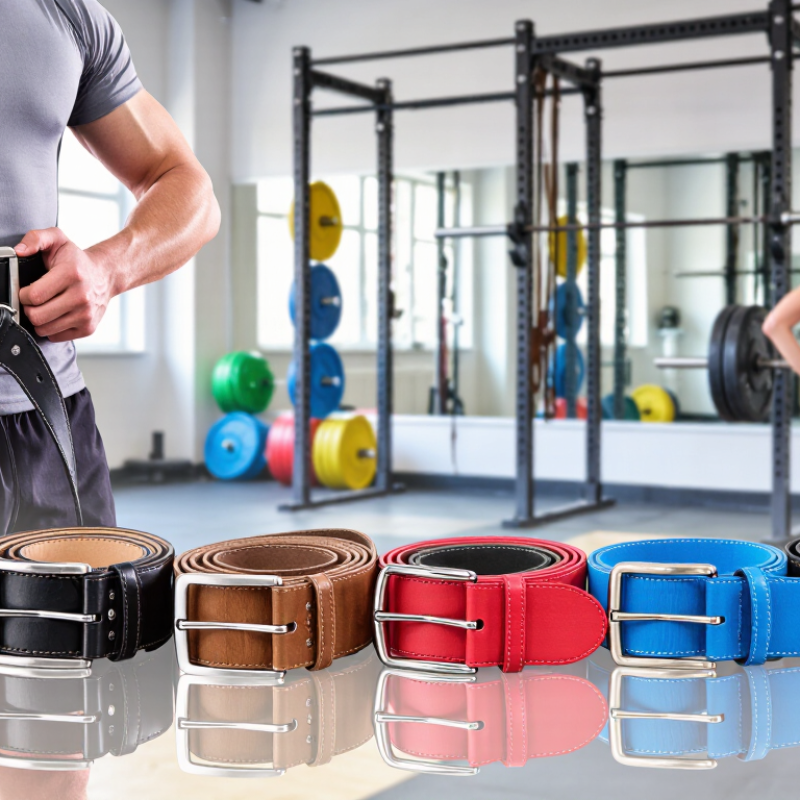
A weightlifting belt is a bracing tool, not a substitute for strength or technique. It wraps around the abdomen and gives the trunk a firm surface to press against during heavy squats, deadlifts, and presses. This pressure can help lifters create stronger intra-abdominal tension.
Research supports that mechanism, with laboratory studies reporting higher intra-abdominal pressure during belted lifts. A study published in Spine found that belt use changed trunk muscle activity and spinal loading during lifting. However, evidence does not prove that belts prevent every back injury. The National Strength and Conditioning Association also treats belts as optional equipment, not essential safety gear. That distinction matters. A belt may improve confidence, yet confidence can sometimes encourage excessive loading.
The best belt depends on fit, stiffness, and lifting style. A wide, rigid belt often suits heavy squats and pulls. A softer belt may feel better during varied training. It should sit firmly around the torso without restricting normal breathing. Leave room for a full brace.
Tips: Practice bracing before adding a belt. Breathe into the abdomen, sides, and lower back. Tighten the belt only after finding that pressure. Use lighter sets to test comfort. If numbness, sharp pain, or unusual pressure appears, stop and reassess. I would not treat one successful lift as proof that a belt is working. Track technique, load, recovery, and symptoms together.
Choosing among the 10 best gym belts starts with fit, not appearance. The ACSM’s 2024 Worldwide Survey ranked traditional strength training fifth among global fitness trends. That demand makes belt selection more than a style decision. A useful belt should feel firm around the abdomen without restricting breathing or hip movement. Measure your waist where the belt will sit, usually near the navel. Pant size can mislead.
Compare width, thickness, material, and closure type. A wider, stiffer belt can support heavy squats and deadlifts, while a flexible model suits mixed training. Leather or dense synthetic construction usually resists stretching. However, rigidity is not automatically better. NSCA educational guidance emphasizes bracing skill and controlled technique. A belt is an aid, not a substitute. Look for secure adjustment, smooth edges, and stitching that does not press into the ribs. Try several breaths before lifting.
Research on lifting belts often measures pressure and performance, not long-term injury prevention. That limitation matters. I would also check whether the buckle loosens during repeated sets, because small movement becomes distracting under load. A belt should stay centered when you hinge, squat, and walk. Reviews should report waist measurements, lift type, and training level, not just comfort. One honest warning: the strongest belt may be the wrong choice if it changes your technique.
Choosing the right belt matters more than chasing the “best” model. In ACSM’s 2024 Worldwide Survey, over 2,000 professionals ranked traditional strength training among the five leading global fitness trends. More people are lifting. However, belts still need context. They can improve bracing and increase trunk pressure. They cannot fix poor technique. Start warm-ups without a belt. Feel your ribs, pelvis, and breathing.
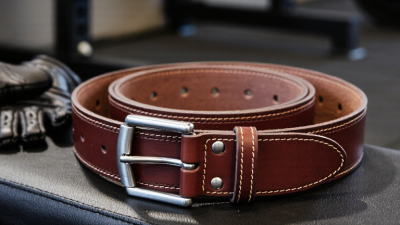
A thick leather power belt suits heavy squats and deadlifts. Its firm support creates a stable surface for abdominal bracing. A tapered belt offers more hip clearance. It may suit lifters with shorter torsos.
Nylon belts are lighter and easier to adjust. They work well for circuits and varied sessions. They feel less rigid under near-maximal loads.
Olympic-style lifting needs flexibility. A narrower front reduces interference during cleans and snatches. A dip belt serves another purpose. It carries plates for weighted dips and pull-ups. It does not support the lower back.
Research by Kingma and colleagues, published in Ergonomics, found that lifting belts can affect intra-abdominal pressure during heavy efforts. The result is not automatic. One laboratory finding cannot fit every body. I would test a belt at moderate loads first. Watch for bruising, restricted breathing, or changed bar paths. Some lifters tighten belts too aggressively and lose control. More pressure is not always better. Reassess the choice after several training sessions.
How to Choose the Right Belt for Your Body and Goals
A lifting belt should match your training, not impress other people. Powerlifters often prefer a firm, wide belt for heavy squats and deadlifts. General gym users may need a slimmer design for comfort during varied workouts. Your waist measurement matters, but so does your torso length. A belt that feels secure on one lifter may dig into another person’s ribs.
Check the belt’s width, stiffness, fastening system, and adjustment range. A rigid belt can improve abdominal bracing, yet it may feel awkward during lunges or Olympic lifts. Start with moderate support if you are still learning proper breathing and bracing. The belt should feel tight, not painful. You should fit one or two fingers beneath it. Too loose reduces support. Too tight can restrict controlled breathing.
Use the belt during demanding sets, not every warm-up. Technique still leads. In practical coaching, I have seen lifters chase heavier numbers while ignoring unstable positioning. That usually creates confusion, not progress. I also think belt choice is partly personal; the “best” model can feel wrong after ten minutes of movement. Test it with an empty bar, then lighter working sets. Stop if you feel numbness, sharp pressure, or back pain, and seek advice from a qualified professional. Safety is not a weakness.
A weightlifting belt is useful only when it supports sound bracing, not when it disguises poor technique. A 1989 study in Medicine & Science in Sports & Exercise found that a belt increased intra-abdominal pressure during heavy lifting by roughly 25–40%. That pressure may improve trunk stiffness, but it does not guarantee spinal protection. The National Strength and Conditioning Association recommends treating belts as training tools, not permanent substitutes for strength and control.
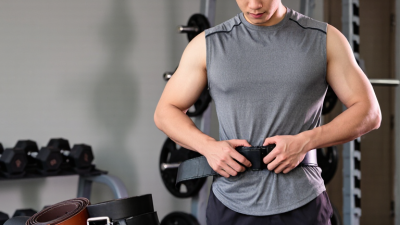
Fit matters. Place the belt around your abdomen, usually above the hip bones, without covering the rib cage. Tighten it firmly, but leave room for a full breath. You should brace against the belt, not pull it inward continuously. During a squat or deadlift, inhale before the descent, expand your abdomen, and maintain pressure through the hardest phase. It should not cause numbness, sharp pain, dizziness, or restricted breathing. Stop immediately if it does.
Keep it clean. Wipe sweat from the inner surface after each session, then air-dry it away from direct heat. Inspect stitching, buckles, and worn edges every few weeks. A damaged belt can fail under load. I still see lifters choosing maximum tightness because it feels powerful. That habit deserves reconsideration. A slightly looser setting may improve breathing and positioning, especially during warm-ups. Use the belt selectively, increase loads gradually, and ask a qualified strength professional to check your bracing technique.
| Rank | Weightlifting Belt Type | Best Use | Typical Material | Common Width | Typical Thickness | Closure System | Support Level | Recommended Fit | Safe-Use Guidance | Care Requirements |
|---|---|---|---|---|---|---|---|---|---|---|
| 1 | 10 cm Leather Power Belt | Heavy squats, deadlifts, and general strength training | Vegetable-tanned or layered leather | 10 cm around the torso | 10–13 mm | Prong buckle | Very high | Firm and even contact around the waist; should not restrict normal breathing. | Brace against the belt during heavy sets, but do not wear it excessively tight or for every exercise. | Wipe clean, keep dry, and condition leather occasionally according to the material instructions. |
| 2 | 13 cm Leather Power Belt | Maximum trunk support for experienced lifters | Single-piece or laminated leather | 13 cm front and back | 10–13 mm | Single or double prong buckle | Very high | The belt should sit above the hip bones without digging into the ribs. | Use mainly for near-maximal sets after proper warm-up and technique practice. | Store flat or upright in a dry place; avoid soaking, heat, and prolonged direct sunlight. |
| 3 | 10 cm Nylon Lever Belt | Frequent gym sessions and adjustable strength work | Heavy-duty nylon with reinforced stitching | 10 cm | About 10–13 mm | Lever buckle | High | The lever should close securely while allowing full abdominal expansion. | Check the lever screws and stitching regularly; release the belt between sets. | Brush off chalk, wipe with a damp cloth, and air-dry completely before storage. |
| 4 | 7.5 cm Nylon Training Belt | Mixed workouts, machines, dumbbells, and moderate barbell training | Nylon or polyester webbing with foam or mesh padding | 7.5 cm at the back | 6–10 mm | Hook-and-loop closure | Moderate to high | Snug enough to provide feedback without causing numbness or abdominal pressure. | Do not use a loose belt as a substitute for bracing or correct lifting technique. | Remove chalk and sweat after training; follow the washing instructions for the closure system. |
| 5 | Contoured Leather Belt | Lifters who need a more anatomical waist shape | Shaped leather with reinforced edges | 8–10 cm at the back; narrower at the sides | 8–10 mm | Prong buckle | High | The narrower side sections should sit comfortably between the ribs and hips. | Test the range of motion with an empty bar before adding load. | Keep away from moisture and use a suitable leather conditioner when needed. |
| 6 | 6 mm Flexible Leather Belt | Beginners and moderate-load resistance training | Flexible leather or bonded leather | 10 cm or slightly tapered | About 6 mm | Single-prong buckle | Moderate | A comfortable snug fit is preferable to maximum tightness for new users. | Learn diaphragmatic breathing and bracing before relying on the belt for support. | Wipe after use and allow the belt to dry naturally; avoid folding it sharply. |
| 7 | Reinforced Nylon Olympic Belt | Olympic lifting, power cleans, and dynamic barbell movements | Flexible nylon with a wider back panel | 7.5–10 cm at the back | About 6–10 mm | Hook-and-loop or quick-release buckle | Moderate to high | It should allow hip and torso movement without shifting during the pull. | Avoid over-tightening because dynamic lifts require controlled movement and breathing. | Air-dry after sweaty sessions and inspect the fastening strap for fraying. |
| 8 | Dip and Pull-Up Belt | Weighted dips, pull-ups, and bodyweight strength exercises | Heavy nylon or leather waist strap with a chain | Usually 10–15 cm at the back | About 5–8 mm, excluding the chain | Steel chain with carabiner | Moderate | Position the belt securely on the hips or upper waist as intended by its design. | Confirm that the chain and carabiner are fully closed before adding weight. | Dry metal components after exposure to sweat and check all connection points regularly. |
| 9 | Lightweight Mesh Support Belt | General fitness, circuit training, and light resistance exercise | Breathable mesh, nylon, and foam padding | 10–15 cm at the back | About 5–8 mm | Hook-and-loop closure | Low to moderate | It should feel supportive but must not interfere with bending, walking, or breathing. | Not intended to replace technique, progressive loading, or medical guidance. | Clean regularly to prevent odor buildup and allow the material to dry fully. |
| 10 | Adjustable Two-Panel Nylon Belt | Users who need flexible sizing and varied gym exercises | Layered nylon with reinforced panels | 7.5–10 cm at the back | About 6–10 mm | Cam buckle or quick-release buckle | Moderate to high | Adjust the belt so the support panel remains centered over the lower back. | Check the buckle under load and stop using the belt if the webbing or stitching is damaged. | Hand-wash when permitted, rinse thoroughly, and air-dry away from heaters. |