Leave Your Message

How to Choose the Best Nylon Weightlifting Belt in 2026?

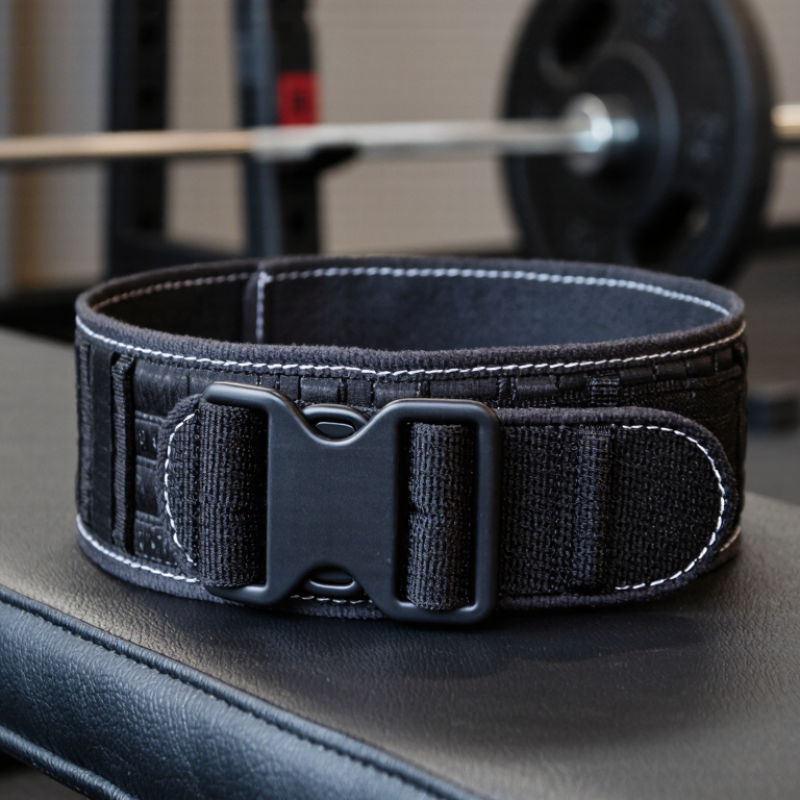
Choosing the best Nylon Weightlifting Belt in 2026 is not about finding the thickest belt or the boldest logo. It is about matching the belt to your lifts, body shape, and training habits. A secure fit matters. So does a closure that stays put when you brace for a heavy squat. Nylon belts often feel lighter and more adjustable than rigid leather options, but their support can vary widely.

Strength coach and author Mark Rippetoe has described the purpose of a belt this way: “A belt is not a back brace. It is an abdominal brace.” That distinction is useful when comparing nylon designs. A belt gives your trunk something firm to brace against; it does not do the bracing for you. Width, stiffness, padding, and buckle design all affect how that support feels under load. Small details count.

This guide looks at those details through practical questions: How should a nylon belt fit? Which closure works best for your routine? What should you inspect before buying? We will also consider comfort during deadlifts, squats, and dynamic training, alongside durability and value. One point deserves honest reflection: no feature list can predict how a belt will feel against your ribs after a long session. Try to judge fit in your actual lifting positions, not only while standing in front of a mirror. A good choice should feel secure, not distracting.
How to Choose the Best Nylon Weightlifting Belt in 2026?

Understanding the Purpose and Design of a Nylon Weightlifting Belt

How to Choose the Best Nylon Weightlifting Belt in 2026?

Understanding the Purpose and Design of a Nylon Weightlifting Belt

A nylon weightlifting belt is a firm surface to brace against during heavy lifts. It does not hold your spine in place or replace sound technique. As you inhale and tighten your abdomen, the belt gives your trunk tactile feedback. That can make it easier to maintain pressure through a squat or deadlift. Fit matters: the belt should feel secure, not pinch your ribs or restrict breathing. Fit is personal.

Research supports a measured view of its role. Harman and colleagues studied eight experienced lifters and reported higher intra-abdominal pressure when participants lifted with a belt (Medicine & Science in Sports & Exercise, 1989; 21(2):186–190). The small study measured pressure, not injury prevention, so it cannot show that belts prevent injuries. Nylon models commonly use adjustable closures and flexible panels, which can be easier to fine-tune between sets. Check that the closure stays secure under tension and that the belt does not shift when you brace. A tighter belt is not automatically better. I have to admit, choosing one by stiffness alone is tempting, but comfort and a consistent fit deserve equal attention.
Checking Belt Width, Length, and Sizing Options

A nylon belt should fit your torso, not your jeans. Measure where you will wear it, often around the navel, and check the belt’s width against your lifting position. A four-inch back panel gives broad contact, but it can press into the ribs or hips on shorter torsos. Width is personal. The CDC/NCHS report Anthropometric Reference Data for Children and Adults: United States, 2015–2018, reports mean adult waist circumferences of about 40.5 inches for men and 38.7 inches for women. Those averages offer context, not a sizing shortcut; body shape and belt placement vary.

For length, wrap a soft tape around your torso over a thin training shirt, snug but not tight. Use that measurement with the maker’s sizing chart, rather than converting your pants size. Check that the closure has usable adjustment room in both directions. Too little overlap can make the belt awkward to secure; too much loose tail can shift during a set. Try the belt in your usual squat stance and brace before buying, if possible. Small detail, big difference. If you sit between sizes, compare the chart’s measurement range with the belt’s adjustment range. I would remeasure after a noticeable change in body weight; the first measurement is not always the best one.

Comparing Materials, Stitching, Buckles, and Closure Systems

A nylon weightlifting belt should feel supportive without turning your waist into a rigid shell. Dense woven nylon resists everyday abrasion, while softer webbing can fold under heavy bracing. In a 1989 study in Medicine & Science in Sports & Exercise, Harman and colleagues reported roughly 25–40% higher intra-abdominal pressure when participants lifted with a belt. That result describes tested conditions, not every lifter or belt. Fit is personal.

Inspect the stitching where the belt curves and where its closure attaches. Look for even rows, tight thread, and no loose loops near the buckle. ASTM D5034 provides a grab-test method for measuring fabric breaking strength, but it does not certify a finished belt or its seams. Ask whether the maker tests complete belts. A pulled thread matters.

A single-prong buckle is simple to adjust, while a lever closure can feel quick but may offer fewer fit increments. Hook-and-loop closures allow finer adjustment, yet lint and repeated use can weaken their grip. Check that the belt stays shut during a deep squat and does not dig into your ribs. Test it under light loads first. Annoying, but useful. A belt that fits your torso and training style is more dependable than one chosen by appearance alone.

Matching Belt Support and Fit to Your Lifting Needs

A nylon weightlifting belt should match the lifts you actually perform, not just look supportive. For squats and deadlifts, choose a belt that sits evenly around your trunk and stays put when you brace. Its width should leave room between your lower ribs and hip bones. A belt that digs in can distract you under load. Small details matter.

Fit is personal. Fasten the belt snugly, but leave enough room to take a full breath and expand your abdomen. You should be able to brace against it without feeling squeezed before the lift begins. Try several positions during warm-ups: a belt can feel comfortable standing still yet press into your ribs when you hinge. That mismatch is easy to miss. Nylon belts often adjust quickly and allow more movement than stiff designs, which can suit varied training or changing exercises.

Think about your lifting style, too. A firm, consistent feel may help during heavy squats, while a less bulky fit can be useful for dynamic lifts. The belt should support bracing, not replace it; practice controlled breathing and technique at manageable weights. If the closure shifts or loosens between sets, reassess the fit rather than tightening it endlessly. And if a belt causes pain, stop and seek qualified guidance.

Evaluating Comfort, Durability, and Value Before Buying

How to Choose the Best Nylon Weightlifting Belt in 2026?
Evaluating Comfort, Durability, and Value Before Buying

A good nylon belt should feel secure without pinching your ribs or digging into your hips. Try it while standing, then brace as if preparing for a lift. The fit can change once your abdomen expands. A belt that feels comfortable when relaxed may suddenly feel restrictive under tension. Check the closure, too. It should adjust easily, yet stay firmly in place during repeated sets.

Tips: Wear the belt over your usual training clothes. Check that the edges lie flat and the closure does not press into your skin. Small details matter.

For durability, inspect the stitching, adjustment points, and fabric edges. Tug gently on the strap; loose threads or uneven seams may signal early wear. Nylon is often lighter and more flexible than stiffer belt materials, but construction varies. Value is not just the lowest price. Consider how often you train and whether the belt remains comfortable after several exercises. One detail is easy to overlook: more support is not always better if it limits your breathing or movement. A sensible choice balances a stable brace with room to lift naturally.

How to Choose the Best Nylon Weightlifting Belt in 2026? — Evaluating Comfort, Durability, and Value Before Buying

Belt design Typical profile Closure Comfort and fit Support and use Durability checks Value considerations
Flat, uniform-width nylon belt Usually about 4 in (10 cm) wide throughout Hook-and-loop fastening, often with a securing strap Broad contact area; may feel bulky for shorter torsos or during deep hip flexion A versatile option for general barbell training when the width fits the lifter’s torso Check stitching at the fastening area, edge binding, and whether the closure stays secure under repeated use A practical all-round choice if the fit is comfortable and the closure is replaceable or well reinforced
Tapered or contoured nylon belt Wider across the back and narrower at the front; exact dimensions vary Usually hook-and-loop with a buckle or secondary strap Reduced front coverage can allow more room for bending and bracing; comfort depends on torso shape Useful for lifters who find a full-width belt restrictive, while still providing a firm area across the back Inspect contour seams and stress points; uneven fit can cause edge pressure or shifting Worth considering when improved movement comfort matters more than a simple uniform profile
Narrow-profile nylon belt Often around 3 in (7.5 cm) wide; dimensions vary by design Commonly hook-and-loop, sometimes paired with a buckle Less coverage can feel less restrictive and may suit shorter torsos A possible fit for general strength training; support feel depends on belt stiffness, fit, and bracing technique Narrower belts still need reinforced seams and a fastening system that resists wear and lint buildup Can be good value if a wider belt digs into the ribs or hips; compare fit before paying for extras
Single-layer, flexible nylon belt Typically a thinner, more pliable webbing construction; width varies Usually hook-and-loop Lightweight and easy to pack; generally bends readily with the torso Suited to users who prioritize mobility and convenience; may feel less rigid than a thicker, stiffer design Check webbing density, seam reinforcement, and fastening wear; flexibility alone does not indicate strength Often a sensible basic option when portability and comfort are more important than a stiff feel
Multi-layer or heavily reinforced nylon belt Layered or reinforced construction; thickness and width vary Often hook-and-loop with an additional securing strap or buckle Can feel more substantial; added stiffness may require a break-in period May appeal to lifters who prefer a firmer belt feel for regular heavy training; fit remains individual Look for secure layer bonding, even stitching, and a closure that can be adjusted without twisting Extra construction is worthwhile only if it improves fit or wear resistance for the intended training routine

Note: Profiles and construction descriptions are typical examples, not standardized specifications. Check the seller’s measurement guide and return policy, and assess fit while standing, squatting, and bracing. A belt can support bracing but does not replace proper lifting technique.