China Top 10 Weightlifting Belt Suppliers 2026
China’s weightlifting equipment sector is expanding with stronger demand from gyms, home users, and competitive athletes. Grand View Research’s 2024 fitness equipment analysis valued the global market at more than USD 16 billion, with continued growth expected through 2030. IMARC’s 2025 industry report also forecast steady expansion, although market estimates vary by research method and product scope. That difference deserves attention.
Weightlifting Belts remain a focused category within this broader market. Buyers now examine more than leather thickness or buckle appearance. They ask about lumbar support, stitching density, edge finishing, sizing accuracy, and long-term deformation. In practical use, a belt should feel stable during a heavy squat, yet avoid restricting normal breathing. Small details matter. A sharp edge can become uncomfortable after several sets.
This 2026 supplier guide reviews ten Chinese manufacturers and trading companies through a buyer’s lens. It considers factory experience, material traceability, production capacity, customization, quality-control procedures, export history, and communication reliability. Certifications such as ISO 9001 may support process credibility, but they do not automatically prove product performance. Samples and independent inspections still matter.
Supplier information can change quickly. Catalogs may look polished, while actual lead times tell a different story. Some companies excel at private labeling but offer limited technical guidance. Others provide stronger construction but less flexible packaging. That is not a flaw in the market; it is a reason to compare carefully. The selected suppliers are intended to help distributors, gym brands, and equipment retailers build a more evidence-based sourcing shortlist for 2026.
Weightlifting Belt Supplier Selection Criteria for 2026
China Top 10 Weightlifting Belt Suppliers 2026
Weightlifting Belt Supplier Selection Criteria for 2026
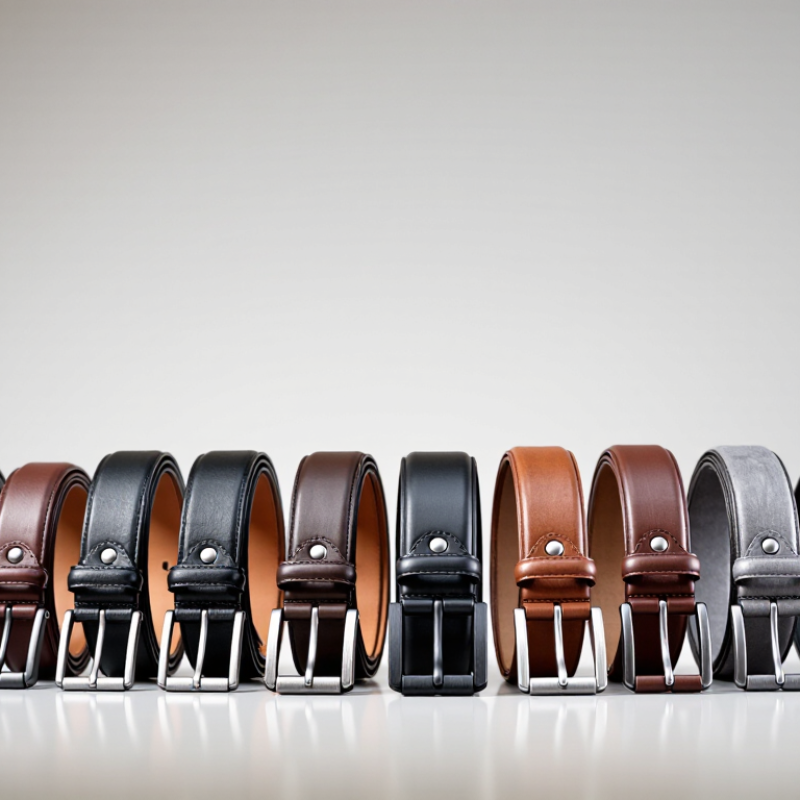
Choosing a weightlifting belt supplier in 2026 requires more than comparing factory prices. Start with material performance, stitching strength, buckle design, and consistent sizing. Full-grain leather offers firm support, while layered synthetic materials can reduce weight and simplify maintenance. Fit matters. Ask for size charts based on waist measurements, not vague body descriptions. Sample testing should include repeated bending, buckle loading, and sweat exposure.
Reliable suppliers should provide documented quality-control procedures and traceable production records. Check whether workers inspect leather thickness, seam alignment, edge finishing, and hardware before packing. Ask for test reports when safety claims are made. Details expose weaknesses. Suppliers with clear inspection standards usually answer technical questions directly. They should also explain production capacity, minimum order quantities, lead times, packaging protection, and replacement procedures.
Communication is another selection criterion that is easy to underestimate. A supplier should confirm specifications in writing and report production changes promptly. Request a pre-production sample before approving bulk manufacturing. No supplier is perfect. A sample may reveal uneven holes, stiff edges, or a buckle that feels less secure than expected. That is useful evidence, not an inconvenience. Review correction speed, documentation quality, and consistency across later samples. Certifications can support credibility, but they should match the actual product and current facility. Ask for verifiable documents rather than polished promises.
China’s Top 10 Weightlifting Belt Suppliers in 2026
China’s Top 10 Weightlifting Belt Suppliers in 2026 should be evaluated through evidence, not catalog promises. The 2024 Global Wellness Institute report valued the global physical activity economy at about US$1.1 trillion in 2023. This growth supports stronger demand for training accessories, including lifting belts. However, public reports rarely separate belt sales from wider fitness equipment data. That limitation matters.
Reliable suppliers should provide material specifications, sample records, and repeatable inspection results. Check leather or synthetic material thickness, edge finishing, buckle alignment, and stitch density. Ask for tensile testing and repeated fastening tests. A belt that feels stiff in a showroom may soften unevenly after several weeks. I have seen appearance hide weak stitching. That is easy to miss. Factory audits also need dates, scope, and corrective-action records. One successful inspection cannot prove long-term consistency.
Tips: Request three samples from different production batches. Measure width, hole spacing, and belt curvature with the same tools. Compare odor, flexibility, and buckle movement after several training sessions. Suppliers should explain packaging, moisture protection, and replacement handling. The International Organization for Standardization notes that quality management systems support consistent processes, but certification alone does not guarantee product performance. Buyers should still test finished goods independently. A cheaper quotation may reduce inspection depth, packaging strength, or after-sales support. That trade-off is not always visible in the first order.
Quality Standards, Customization, and Private Label Services
China Top 10 Weightlifting Belt Suppliers 2026
The 2026 supplier shortlist should emphasize quality evidence, customization control, and private label reliability. According to Grand View Research, the global fitness equipment market was valued at over USD 15 billion in 2023. This growth increases demand for dependable lifting accessories, not just attractive packaging.
A credible supplier should provide ISO 9001 documentation, material specifications, and batch-level inspection records. Belt samples need checks for leather or synthetic material strength, seam durability, buckle load, and sweat resistance. Practical factory audits matter. A polished catalogue proves little. Inspectors should review cutting accuracy, edge finishing, stitching density, and warehouse conditions. ASTM testing methods can support repeatable evaluations, although they do not replace product-specific testing.
Customization should begin with a technical pack, including dimensions, logo placement, colors, lining, buckle type, and packaging details. Private label services should cover sample approval, barcode printing, carton marks, and pre-shipment inspection. According to the 2024 McKinsey sporting goods analysis, consumers increasingly expect product value, durability, and differentiated design. That pressure reaches suppliers too. Ask about minimum order quantities, mold fees, lead times, and artwork ownership. Small details often cause delays. We have seen better results when buyers approve a physical sample before mass production, even when schedules become uncomfortable. Suppliers unable to explain corrective actions deserve careful reconsideration.
China Top 10 Weightlifting Belt Suppliers 2026
Capability benchmark covering quality standards, customization, and private label readiness. Scores represent a neutral 0–100 evaluation index and do not identify individual companies or brands.
Material traceability and load-testing procedures are key quality indicators, while customization and private label services reflect a supplier’s ability to support product development and brand launches.
How to Compare Prices, Certifications, and Export Support
Comparing China’s top 10 weightlifting belt suppliers in 2026 requires more than checking the lowest quotation. A practical factory price often ranges from about US$8 to US$35, depending on leather thickness, lining, buckle type, and order volume. Ask for the same specification from every supplier. Include belt width, stitching count, packaging, and delivery terms. Otherwise, the comparison becomes misleading. A low quote can still be expensive.
Certification needs careful review. ISO 9001:2015 can show controlled production processes, but it does not certify lifting performance. The ISO Survey 2023 recorded more than 1.2 million ISO 9001 certificates worldwide, so the certificate alone proves limited differentiation. Request the certificate number, issuing body, and current scope. For materials, ask for REACH-related chemical test reports, abrasion results, and buckle cycle testing. Independent laboratory reports are stronger evidence than factory claims. I would still inspect samples personally.
Export support can affect the final price more than expected. Compare EXW, FOB, and DDP quotations separately, then calculate freight, duties, insurance, and inspection fees. The International Trade Centre’s Trade Map uses HS 9506.91 for general physical-exercise equipment; it offers useful trade benchmarks, but not belt-specific pricing. Ask whether the supplier provides carton marks, commercial invoices, packing lists, and destination-port experience. Clear answers matter. Some suppliers respond quickly before payment, then become vague during production. That is an uncomfortable risk, and a supplier scorecard should record it.