Best Leather Weightlifting Belt for Optimal Performance?
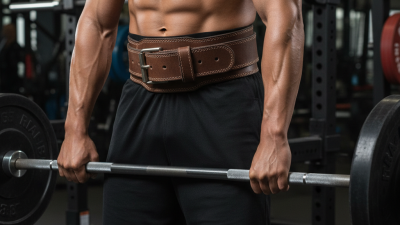
When it comes to strength training, a reliable gear choice is vital. A Leather Weightlifting Belt stands out in this regard. This belt provides essential support during heavy lifts. It stabilizes the core, enhances posture, and contributes to better performance.
Different lifters have varied preferences. Some prefer a stiffer design, while others look for comfort. The best Leather Weightlifting Belt should balance both aspects. It should feel snug yet allow movement. Investing in a high-quality belt can prevent injuries and improve your lifting potential.
Not all belts are created equal. Some may wear out quickly or fail to provide support. Focusing on craftsmanship is important. Consider materials and stitching quality carefully. A good belt can be a lifelong training partner. Reflect on what fits your style and needs. The right Leather Weightlifting Belt can elevate your performance.
Understanding the Importance of Weightlifting Belts
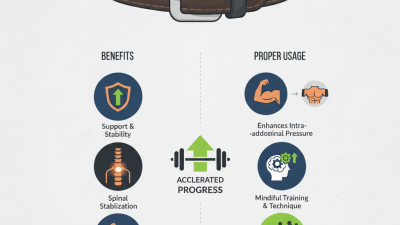
Weightlifting belts play a crucial role in enhancing performance and ensuring safety during heavy lifts. These belts provide essential support to the lower back and core, stabilizing the abdominal area. This support can help prevent injuries, especially when lifting heavy weights. When you engage in squats or deadlifts, the added pressure against the belt helps you generate more intra-abdominal pressure. This pressure supports the spine and helps maintain proper lifting form.
However, it's important to understand that weightlifting belts are not a magical solution. Relying solely on a belt can hinder your ability to develop core strength. It's essential to balance the use of a belt with proper training techniques. Engaging the core without a belt is vital for building strength. Athletes often face the challenge of learning how to use a belt effectively without becoming dependent on it. Finding the right time to wear the belt is also key.
Choosing the best leather weightlifting belt involves understanding your personal lifting style and needs. A belt that is too tight can restrict movement, while one that's too loose won't provide adequate support. Experimenting with different positions and tightness can lead to a more effective lifting experience. Listening to your body is crucial in this process. Consider how your body feels during workouts to make necessary adjustments. This awareness can optimize performance while avoiding potential pitfalls.
Key Features to Look for in a Leather Weightlifting Belt
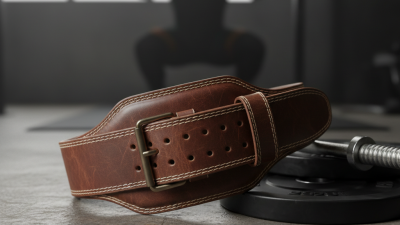
When choosing a leather weightlifting belt, key features make a significant difference. Look for a belt that offers sturdy construction, as this ensures durability under heavy loads. Quality leather is essential. It should be thick yet supple, providing support while allowing flexibility. A well-constructed leather belt often includes reinforced stitching, which enhances its strength and longevity.
Comfort cannot be overlooked. Choose a belt with proper padding for a better fit. This can help prevent discomfort and distractions during workouts. The size should be adjustable, allowing a snug fit that supports your lifting form. Look for belts that feature a prong or lever closure for secure fastenings. These closures provide stability, ensuring the belt stays in place when it matters most.
Experience plays a role in the selection process. Understand that not all belts will fit well. Testing different options might be necessary. A belt may feel good in the store but could cause issues during lifts. Pay attention to how it feels when engaging in various movements. Reflecting on these aspects can guide you toward the optimal choice.
Top Leather Weightlifting Belts for Various Fitness Levels
When choosing a leather weightlifting belt, it’s essential to consider different fitness levels. Beginners may need softer belts that provide ample support without being overly rigid. This ensures comfort during their early training stages. A moderately stiff belt can help stabilize the core while allowing for necessary movement.
Intermediate lifters often seek belts that offer a balance between flexibility and support. These belts can handle heavier weights while still promoting proper lifting form. They should provide enough reinforcement for squat movements, yet not restrict movement too much. It's common for lifters at this level to experience comfort issues. Trying different options can lead to finding the right fit.
Experienced lifters tend to prefer firmer belts. These provide maximum support and help maintain proper posture. With heavy lifting, the risk of injury increases. A well-fitted, stiff leather belt can mitigate that risk. However, adjusting to the right tightness is crucial. Some might make the mistake of wearing a belt too loose or too tight, leading to potential discomfort. Regularly assessing fit and comfort can ensure optimal performance and safety during workouts.
How to Properly Use a Weightlifting Belt for Maximum Effectiveness
A weightlifting belt can enhance your performance. However, proper usage is critical for its effectiveness. Many lifters place the belt too loosely, which reduces support. The belt should fit snugly around your waist. This snug fit helps stabilize your core during lifts.
When using your belt, remember to engage your abdominal muscles. Take a deep breath and push your stomach against the belt. This action increases intra-abdominal pressure, improving stability. Avoid over-reliance on the belt; it should aid your lifts, not become a crutch. Some lifters feel unconfident without a belt, which can hinder growth.
In your training, identify when to wear the belt. Use it for heavy lifts, such as squats and deadlifts. During lighter sets, allow your body to adapt. Listen to your body; if you feel discomfort, adjust the belt or your technique. Reflect on your usage regularly. A thoughtful approach will maximize your strength gains while minimizing injury risks.
Best Leather Weightlifting Belt for Optimal Performance
| Feature |
Details |
| Material |
Genuine Leather |
| Width |
4 inches |
| Thickness |
10 mm |
| Size Range |
Small to XXL |
| Closure Type |
Heavy-Duty Buckle |
| Weight |
1.5 lbs |
| Color Options |
Black, Brown |
| Recommended Usage |
Heavy Lifting, Powerlifting |
| Care Instructions |
Wipe Clean, Avoid Moisture |
Caring for Your Leather Weightlifting Belt for Longevity
Caring for your leather weightlifting belt is essential for maximizing its lifespan and performance. Leather is durable, but it requires proper maintenance. Over time, sweat, dirt, and oils can accumulate, leading to potential damage. Clean your belt regularly with a damp cloth. Avoid soaking it as excessive moisture can weaken the leather.
Apply a leather conditioner every few months. This helps maintain flexibility and prevents cracks. Pay attention to areas where the belt bends most often. Using too much conditioner can make it slippery, affecting your grip. Remember, balance is key.
Store your belt in a cool, dry place when not in use. Avoid leaving it in direct sunlight or humid areas, as these conditions can warp the leather. Check for signs of wear periodically. If you notice any cracks or fraying edges, it may be time to reevaluate its use. Small steps in maintenance can lead to substantial improvements in longevity.
Best Leather Weightlifting Belt for Optimal Performance
This chart displays the performance metrics of leather weightlifting belts across various dimensions such as durability, comfort, support, flexibility, and cost. Each metric is rated on a scale from 0 to 100, giving potential users a clear overview of what to expect when choosing a high-quality leather weightlifting belt.