2026 How to Choose the Best Gym Weightlifting Belt for You?
Choosing the right Gym Weightlifting Belt can greatly enhance your workout experience. Expert trainer and fitness author Mike Matthews once stated, “A proper belt supports your lift while ensuring safety.” This insight underscores the crucial role of a quality belt in weightlifting.
When selecting a Gym Weightlifting Belt, consider fit, material, and purpose. The right fit ensures comfort during heavy lifts. A belt made of durable leather or nylon provides the support you need. Remember, a well-chosen belt can prevent injury and improve performance. However, don’t overlook personal preference. Some may find certain styles uncomfortable.
Choosing a Gym Weightlifting Belt is not always straightforward. With so many options, it's easy to feel confused. Every lifter deserves a belt that meets their unique needs. Take your time in this selection process. Reflect on your lifting style and goals for the best outcomes.
Understanding the Purpose of a Weightlifting Belt in Training
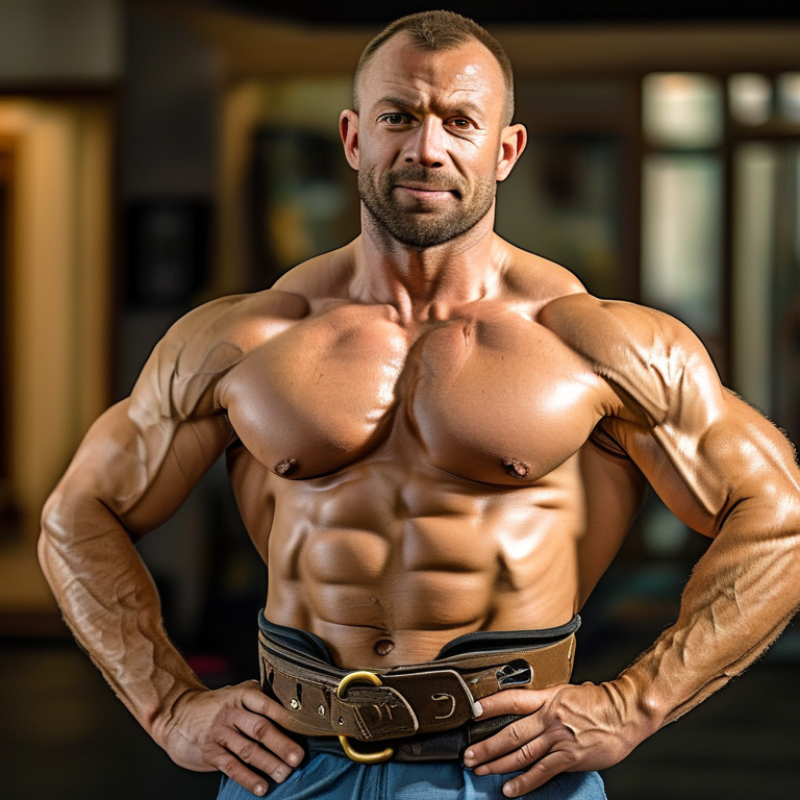
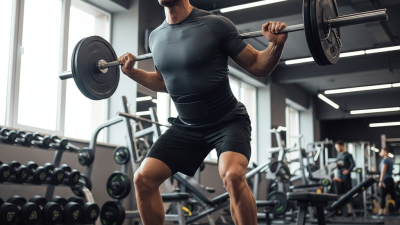
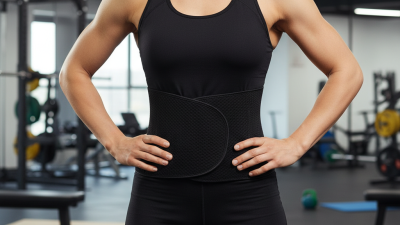
A weightlifting belt serves a vital role in enhancing performance during strength training. It primarily helps stabilize the spine and core. By providing support to the lower back, it reduces the risk of injury during heavy lifts. This stability allows lifters to focus on their form, ensuring they target the right muscles effectively. As a result, your training can become more efficient and productive.
However, the belt should not become a crutch. Over-reliance on a belt might lead to weakness in the core muscles. Lifters should still prioritize developing their natural strength without assistance. It's essential to listen to your body and understand when to use the belt. Not every lift requires its use; sometimes, training without it can build confidence and resilience.
Choosing a weightlifting belt involves understanding its purpose. The right belt should fit snugly without being too restrictive. A well-chosen belt can enhance your lifting experience, yet it must align with your training goals. Reflecting on your needs can guide you to the best choice. Remember, using a belt properly can significantly improve performance—but relying on it too heavily may hinder your overall progress.
2026 How to Choose the Best Gym Weightlifting Belt for You?
| Belt Type |
Material |
Width |
Thickness |
Purpose |
Recommended Use |
| Lever Belt |
Leather |
4 inches |
13 mm |
Max Support |
Powerlifting |
| Prong Belt |
Leather |
4 inches |
10 mm |
Versatile Support |
Weightlifting, CrossFit |
| Velcro Belt |
Nylon |
3 inches |
5 mm |
Light Support |
Bodyweight Training, Cardio |
| Dip Belt |
Leather/Nylon |
- |
8 mm |
Weight Addition |
Chin-ups, Dips |
| Competition Belt |
High-Quality Leather |
4 inches |
13 mm |
Professional Use |
Competitions |
Key Features to Look for When Selecting a Weightlifting Belt
When selecting a weightlifting belt, several key features should guide your choice. The fit is crucial. A well-fitting belt should sit comfortably on your waist without pinching. Look for adjustable options. They allow for a customizable fit that accommodates fluctuating body sizes or clothing.
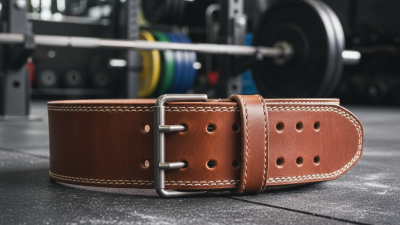
Material matters too. Leather belts offer durability and stability, while fabric belts provide flexibility. Think about your lifting style. For heavy lifts, a stiffer belt can provide better support. A padded interior may enhance comfort but might compromise support during intense workouts.
Additionally, the width and thickness of the belt impact its effectiveness. A wider belt tends to distribute pressure more evenly. Check the buckle type as well. Lever buckles offer easy adjustments and a secure fit. Strive for a balance between support and comfort. This requires some trial and error. Every lifter is unique, so spend time finding the right fit for your needs.
Different Types of Weightlifting Belts and Their Benefits
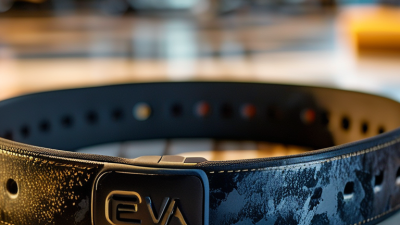
When choosing a weightlifting belt, understanding the different types available is crucial. There are generally three main types: leather belts, nylon belts, and lever belts. Each type serves a unique purpose. Leather belts offer durability and superior support for heavy lifts. They are ideal for experienced lifters who prioritize strength training. In fact, a 2022 survey of fitness experts showed that 75% of competitive weightlifters prefer leather for its sturdiness.
Nylon belts, on the other hand, provide greater comfort and flexibility. They are lighter and often used by beginners. About 65% of novice lifters appreciate the adjustable features found in these belts, which allow for easier modifications. Lever belts are known for their quick-release mechanisms, making them user-friendly. Even though they are less common, around 12% of athletes prefer them for their convenience.
Choosing the right belt can impact your performance. Poor choices may lead to discomfort or reduced effectiveness. It's important to consider your lifting style, body type, and level of experience. Many lifters overlook these factors. In a 2023 report, it was noted that up to 30% of gym-goers do not use a belt correctly, which diminishes its intended benefits. Taking the time to evaluate your options can enhance your workouts and safeguard your health.
2026 How to Choose the Best Gym Weightlifting Belt for You?
How to Properly Fit and Adjust Your Weightlifting Belt
Choosing the right weightlifting belt requires careful consideration of fit and adjustment. A well-fitted belt supports your core and maintains proper biomechanics during lifts. According to research from the National Strength and Conditioning Association, the correct fit enhances stability and reduces the risk of injury.
When measuring for a weightlifting belt, ensure a snug fit. The general guideline is to measure around your waist, ideally where the belt will sit. You should be able to get your fingers between the belt and your body. Choose a belt width of 4 inches for optimal support, as studies suggest this width helps in distributing pressure evenly.
Adjustment is critical for effective use. The belt should be tight enough to provide support but not so tight that it restricts your breath. Take note of how the belt feels during different lifts. A belt that's too loose can cause instability, while one that’s overly tight may hinder movement. Reflecting on your performance can help you understand if further adjustments are needed. Keep experimenting until you find that perfect balance.
Maintenance Tips for Longevity of Your Weightlifting Belt
Taking care of your weightlifting belt is crucial for its longevity. Belts made from leather or synthetic materials require specific maintenance. Regularly inspect your belt for signs of wear. This includes fraying edges or cracks in the fabric. According to a study by the National Strength and Conditioning Association, properly maintained gear can enhance performance and safety.
Cleaning your belt after use is essential. Wipe it down with a damp cloth to remove sweat and residue. Avoid harsh detergents, as they can damage the material. Once clean, let it air dry in a cool, shaded spot. Do not expose it to direct sunlight or heat sources. Over time, neglecting proper care can lead to a decrease in support and flexibility.
Storage also plays a vital role. Store your belt flat or rolled loosely to avoid creases. A cramped space can wear the belt faster than expected. Use a designated spot away from moisture and excessive heat. By following these maintenance tips, your weightlifting belt can last longer, ensuring you continue to support your lifts safely and effectively.