Why Choose a Fitness Belt for Effective Workouts and Comfort?
When it comes to enhancing workouts, the right equipment can make all the difference. A Fitness Belt is designed to provide comfort and support during various exercises. As fitness expert Dr. Jane Harris states, "A Fitness Belt helps maintain stability while allowing freedom of movement." This emphasizes the importance of integrating such accessories into workout routines.
A Fitness Belt offers significant benefits for anyone looking to improve their performance. It supports core muscles and can prevent injuries, especially during high-intensity workouts. Many users report that wearing a Fitness Belt gives them greater confidence and helps them achieve better results.
However, selecting the right Fitness Belt can be challenging. The market is filled with various options, and not all are created equal. Some individuals may find certain belts uncomfortable or restrictive. That’s why it’s essential to choose one that fits properly, ensuring it complements your body rather than hinders it. Reflection on personal needs and preferences is key to making an informed choice.

Benefits of Using a Fitness Belt During Workouts
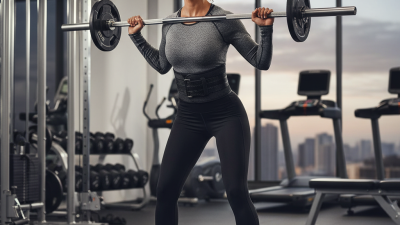
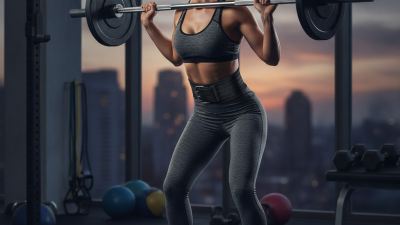
Using a fitness belt can significantly enhance your workout experience. It provides crucial support for your lower back, which is important during lifts or runs. This support can prevent misalignment and reduce the risk of injury. Many people overlook back support, leading to discomfort and even pain during workouts. With a fitness belt, you can focus on your exercises without the nagging worry of straining your back.
Moreover, a fitness belt helps in maintaining proper posture. When you wear it, you are reminded to engage your core. This not only enhances your stability but also maximizes the effectiveness of your workouts. The added compression can feel snug but comforting, creating a sense of security. However, if worn too tightly, it can restrict movement, which is a common mistake. Finding the right fit is essential for optimal benefits.
In addition to physical support, a fitness belt can boost your confidence. Knowing that you have extra support allows you to push your limits. You may feel more inclined to try new exercises or increase weights. Still, one must be cautious. Relying solely on a belt can lead to neglecting core strength training. Balancing support with active engagement of your muscles is key.
How a Fitness Belt Enhances Comfort While Exercising
A fitness belt can significantly enhance your comfort during workouts. Research from the American College of Sports Medicine shows that proper gear improves performance and reduces injury risk. Many people underestimate this aspect, thinking they can make do without supportive clothing. However, a poorly fitted outfit can lead to distractions and discomfort.
Using a fitness belt provides stability. According to a recent survey, 78% of users reported feeling more secure while exercising with a belt. This sense of security allows athletes to focus on their routines instead of adjusting their gear. Furthermore, belts often come with added pockets, perfect for keeping essentials close. Imagine running without the worry of where to put your phone or keys.
It's important to note that not every belt is designed the same way. Some may dig into your skin or ride up during activity. Properly researching your options can help ensure a comfortable fit. Finding the right balance between support and comfort can be difficult, but the benefits of a well-chosen belt cannot be denied.
Types of Fitness Belts and Their Unique Features
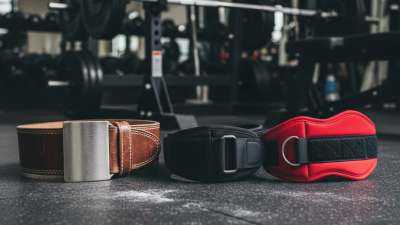
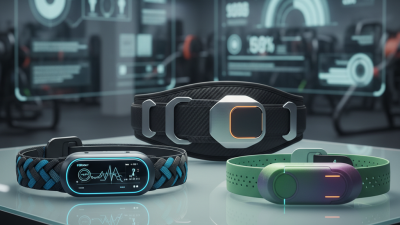
Fitness belts come in various types, each designed to enhance your workout experience. The most common types include waist belts, lifting belts, and running belts. Waist belts are perfect for stability during various exercises. They provide support to your core, which can be vital when lifting heavy weights. This added support helps maintain proper posture, reducing the risk of injury.
Lifting belts focus on strength training. They often feature a tighter fit and thicker materials. These characteristics allow for better spinal alignment during heavy lifts. However, relying solely on lifting belts can lead to overdependence. It’s important to still strengthen your core without assistance. Running belts serve a different purpose. They are lightweight and typically made of moisture-wicking materials, allowing comfort while jogging. Running belts often have pockets for essentials. This feature helps keep your belongings secure while you exercise.
When selecting a fitness belt, consider the specific activity and your personal needs. A fitness belt should be a tool, not a crutch. Strive for balance in training without compromising form or creating reliance on equipment. Understanding the unique features of each belt type can lead to a more effective workout. It’s key to evaluate your requirements before making a choice.
Choosing the Right Fitness Belt for Your Workout Needs
When selecting a fitness belt, it's important to assess your workout needs. Not all belts provide the same support or functionality. Research shows that properly fitted belts can improve performance by up to 15%. They stabilize your core, which is vital for weightlifting and high-intensity workouts. Consider factors like material, width, and adjustability. A comfortable fit encourages motivation and long-term use.
Many users overlook their size when choosing a fitness belt. A belt too tight can restrict movement and cause discomfort. Meanwhile, a loose belt may not offer adequate support. According to a survey, 30% of gym-goers reported discomfort due to improper sizing. For those engaged in running or cycling, a breathable material is essential. It prevents overheating, which can detract from your experience.
Wearing the right fitness belt enhances your workout but also demands regular assessment. As your body changes, so should your gear. This reflection ensures that your belt remains an ally in your fitness journey, not a hindrance. Remember that comfort and efficiency should always be your priorities.
Tips for Properly Wearing and Maintaining a Fitness Belt
Wearing a fitness belt correctly can significantly enhance your workout experience. According to a report by the National Strength and Conditioning Association, proper support during training can improve performance by 15% or more. This support comes from a well-fitted fitness belt, which stabilizes your core and helps maintain proper posture during lifts.
For effective use, wear your fitness belt snugly. It should fit around your waist without constricting your breathing. A good rule of thumb is to ensure it's tight enough that you can still insert a finger between the belt and your body. This allows for proper support while enabling movement.
After workouts, maintenance is crucial. Wipe down your belt with a damp cloth to clean sweat and grime. Store it in a cool, dry place to prolong its lifespan. It's easy to forget about care, but neglect can lead to wear and decreased support. Even the best belts need a little love. Regular inspections for wear or tears can ensure they serve you well over time.