Leave Your Message

What Are the 2026 Top Gym Belt Weightlifting Types?

As 2026 approaches, Gym Belt Weightlifting continues to attract lifters seeking better support during heavy training. The right belt can improve bracing, confidence, and lifting consistency. It cannot replace proper technique or patient strength development.

This guide introduces the leading gym belt types for weightlifting, including leather power belts, nylon belts, lever belts, prong belts, and Olympic lifting belts. Each design serves a different purpose. A thick leather belt may suit squats and deadlifts, while a flexible nylon belt can support dynamic sessions. Olympic lifters often prefer slimmer belts that allow deeper receiving positions. Small details matter. Buckle security, back width, stiffness, comfort, and adjustment speed can change the training experience.

Real gym use also reveals limitations. A rigid belt may feel secure but restrict movement for some athletes. A softer belt may feel comfortable but provide less firm abdominal pressure. There is no universal winner. This approach is not flawless, because body shape, lifting style, experience, and coaching guidance influence every choice. Readers should compare verified product specifications, inspect stitching and fasteners, and test fit before heavy loading. A belt should feel supportive, not painful or distracting.

The discussion will consider practical performance, durability, fit, and responsible use. It will also separate marketing claims from evidence-based expectations. Experienced coaches and reputable manufacturers can offer useful guidance, but personal feedback remains important. Listen to your body. Train with control. Reassess the choice as your strength and technique develop.
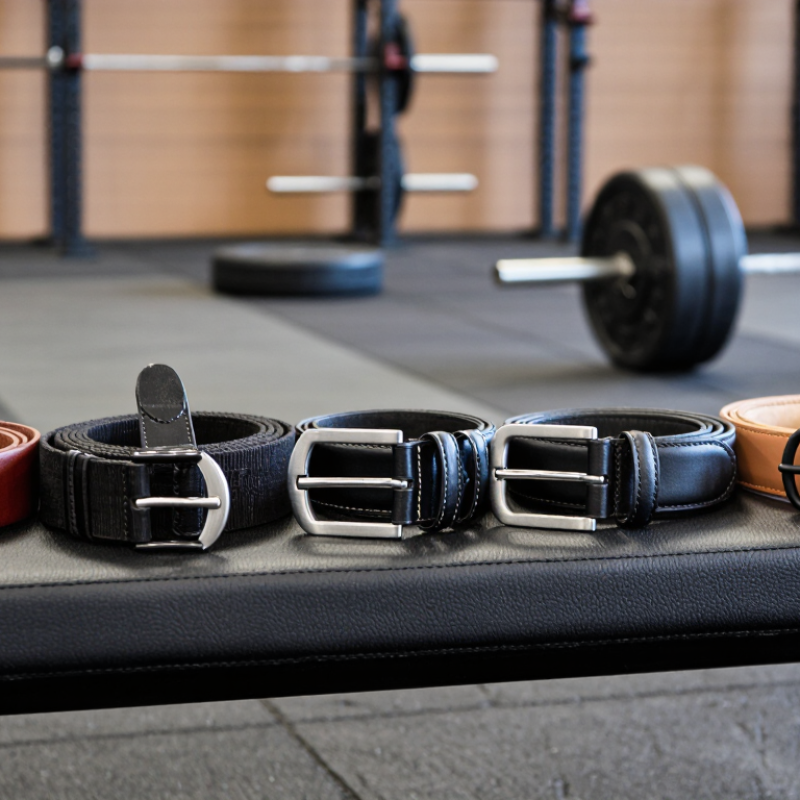
What Are the 2026 Top Gym Belt Weightlifting Types?

Weightlifting Belts: Purpose, Structure, and Core Support

What Are the 2026 Top Gym Belt Weightlifting Types?

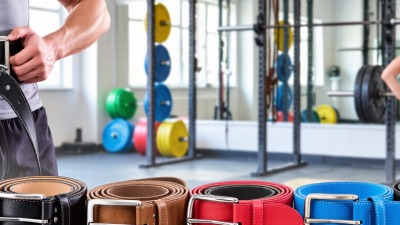
Weightlifting belts support the trunk during heavy, braced movements. They do not replace strong abdominal control or sound technique. A belt usually contains dense leather, layered synthetic material, or flexible fabric. Its main structure includes a wide lumbar panel, firm edges, and a fastening system. Common types include power belts, tapered belts, Olympic-style belts, and adjustable nylon belts.

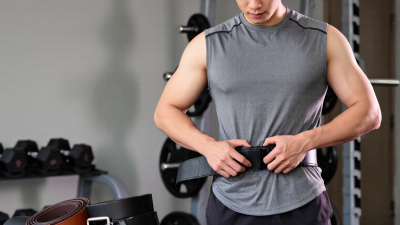
Power belts keep a consistent width around the torso. They suit squats, deadlifts, and slow strength work. Tapered belts leave more room for hip movement. Olympic-style belts often feel less restrictive during cleans and snatches. Adjustable nylon belts provide easier fitting, but their rigidity varies. Fit matters more. The belt should sit firmly above the pelvis, without blocking full breathing.

A controlled study of 12 lifters found that belts increased intra-abdominal pressure during repeated squats (Lander et al., Medicine & Science in Sports & Exercise, 1992). This supports bracing, not automatic injury prevention. The 2025 ACSM Worldwide Survey of Fitness Trends placed traditional strength training among leading global trends, showing continued demand for practical lifting equipment. However, that survey does not prove belts improve performance. In practice, I see lifters tighten belts too aggressively. That mistake can shorten the breath and distort technique. A useful starting point is moderate tension, followed by controlled abdominal expansion. Not magic. Fitness level, exercise choice, body shape, and belt stiffness still matter.
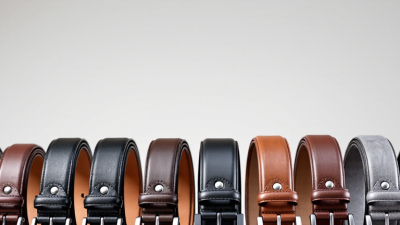
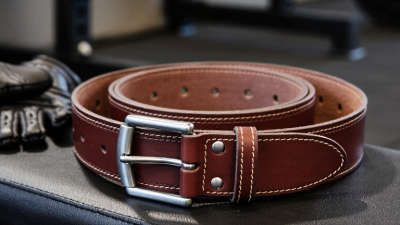
Weightlifting belts support the trunk by increasing abdominal bracing and stabilizing the lumbar area. Powerlifting belts usually maintain a uniform 10 cm profile, while Olympic and bodybuilding belts commonly use a wider back with a narrower front for greater mobility. Nylon belts are flexible and adjustable, making them suitable for general gym training. Dimensions shown are representative common designs; exact measurements vary by manufacturer and size.

How Gym Belts Differ by Material, Width, and Fastening System

What Are the 2026 Top Gym Belt Weightlifting Types?

Gym belts differ most in material, width, and fastening system. Leather belts offer firm support and resist compression under heavy squats. They also need a break-in period. Nylon belts feel lighter and flex more during deadlifts or mixed training. Neoprene models provide comfort, but they usually offer less rigid abdominal support. Material choice should match your training style, not fashion.

Width changes how pressure spreads around your torso. A four-inch belt gives balanced support for many lifters. Wider designs can feel stronger during heavy squats, but may restrict hip movement. Narrower belts often suit Olympic lifting and exercises requiring deeper positions. Measure your waist where the belt will sit. A loose fit can shift. An overly tight fit can interfere with breathing.

Tips: Test the belt with an empty bar first. Check whether it stays centered during bracing. Buckle systems provide dependable tension and simple adjustment. Lever systems secure quickly, but sizing changes may require tools. Hook-and-loop fasteners adjust easily and work well for changing workouts. However, they may wear sooner with frequent heavy use. No belt is perfect. Reassess your choice after several sessions, especially if pressure, pinching, or movement restriction appears.

What Are the 2026 Top Gym Belt Weightlifting Types? - How Gym Belts Differ by Material, Width, and Fastening System

Weightlifting Belt Type Common Material Typical Width Typical Thickness Fastening System Main Support Characteristics Best-Suited Training Advantages Limitations
Single-Prong Leather Belt Classic support Vegetable-tanned or other full-grain leather Usually 10 cm at the back; some models taper toward the front Approximately 10–13 mm Single metal prong with several adjustment holes Firm abdominal and lower-back support with limited flexibility Squats, deadlifts, general strength training Durable, stable, and easy to adjust between sets Requires a break-in period; heavier and less flexible than fabric belts
Double-Prong Leather Belt Maximum hold Thick full-grain leather, often reinforced with layered construction Usually 10 cm at the back; may be tapered at the front Approximately 10–13 mm Two metal prongs sharing the load across the fastening area Very rigid support and strong resistance to belt movement Heavy squats, deadlifts, and low-repetition strength work Secure under heavy loads and highly resistant to twisting Slower to fasten; can feel bulky and uncomfortable during frequent adjustments
Lever Buckle Leather Belt Fast locking Full-grain or layered leather with a rigid backing Commonly 10 cm, with some wider powerlifting-style designs Approximately 10–13 mm Lever buckle attached to a separate mounting plate Consistent compression and rapid locking once fitted Powerlifting, heavy squats, heavy deadlifts, repeated work at one waist setting Quick to secure and very stable during maximal-effort sets Less convenient when sharing a belt; waist adjustment usually requires tools or repositioning
Wrestling-Style Power Belt Uniform support Thick leather or reinforced synthetic leather Approximately 10 cm around most or all of the belt Approximately 10–13 mm Single-prong, double-prong, or lever fastening Even support around the trunk with a broad contact area Powerlifting-style squats, deadlifts, and bracing-focused training Provides consistent pressure across the abdomen and back Can restrict hip or torso movement for Olympic lifts and dynamic exercises
Weightlifting Tapered Leather Belt Movement-friendly Leather, often with a narrower front section Approximately 10 cm at the back and 5–7.5 cm at the front Approximately 6–10 mm Single prong or compact lever buckle Back support with greater freedom at the hips and front of the torso Olympic lifting, cleans, snatches, front squats, and mixed strength sessions Less restrictive during deep receiving positions and explosive lifts Provides less uniform abdominal coverage than a wide power belt
Nylon or Polyester Velcro Belt Lightweight option Nylon or polyester webbing with foam or molded padding Usually 10–15 cm at the back; often tapered toward the front Approximately 6–13 mm, depending on padding Hook-and-loop closure, commonly combined with a cam buckle Moderate support with more flexibility than rigid leather General gym training, machines, moderate squats, and deadlifts Light, comfortable, affordable, and quick to adjust May stretch or wear faster; usually provides less rigidity for near-maximal lifts
Contoured Nylon Belt Flexible fit Woven nylon or polyester with contoured foam padding Approximately 10–15 cm at the back with a narrower front section Approximately 6–10 mm Hook-and-loop closure with a buckle or reinforced strap Flexible lumbar support that follows the shape of the torso Functional fitness, circuit training, moderate barbell work, and accessory exercises Comfortable during movement and easy to put on or remove Less suitable for maximum-effort attempts requiring highly rigid support
Dip and Pull-Up Belt External loading Nylon, polyester, or leather with a heavy-duty chain or strap Usually 10–15 cm across the back pad Padding commonly approximately 6–13 mm Chain, carabiner, or reinforced strap for attaching weight plates Transfers external load to the hips during bodyweight exercises Weighted dips, pull-ups, chin-ups, and belt squats Designed specifically for suspended loads and does not require abdominal tightening like a lifting belt Not intended to replace a rigid belt for heavy squats or deadlifts
Soft Neoprene Support Belt Comfort-focused Neoprene or elastic synthetic fabric Usually 15–20 cm at the back, often tapered at the sides Approximately 3–6 mm Hook-and-loop closure or elastic strap Light compression and warmth with minimal structural rigidity Warm-ups, light resistance training, rehabilitation-oriented exercise, and comfort use Flexible, lightweight, and comfortable for longer sessions Offers limited mechanical support and is not designed for maximal lifting loads

Note: Dimensions are common industry ranges rather than universal specifications. Actual belt width, thickness, stiffness, and fit vary by design and size.

Top 2026 Belt Types for Powerlifting and Heavy Strength Training

What Are the 2026 Top Gym Belt Weightlifting Types?

For powerlifting and heavy strength training, belt choice should match the lift, body position, and training goal. A rigid leather belt remains a strong option for squats and deadlifts. Its even width supports firm abdominal bracing under heavy loads. A 10mm belt offers useful stiffness without feeling overly restrictive. Thicker designs provide more support, but they can press sharply into the ribs.

A tapered power belt gives extra room at the front while keeping a wider back panel. This shape suits lifters who need hip movement during squats. Lever closures allow quick adjustments between sets. Prong closures take longer, yet they offer simple, dependable control. Check the belt after every hard session. Leather can soften, and holes may stretch with repeated use.

For dynamic lifting, a nylon weightlifting belt feels lighter and more flexible. It can support cleans, presses, and moderate-heavy training without blocking movement. Hybrid belts combine a supportive back section with a softer front. They often work well for mixed gym sessions. I have found that comfort affects bracing more than expected. Still, personal fit matters more than thickness. A belt that digs into the stomach can shorten breathing and weaken technique. My preference has changed over time, and I still question whether maximum stiffness is always necessary. Beginners should practice bracing without relying on the belt for every repetition. A secure fit should feel firm, not painful.

Best Belt Types for Olympic Lifting, Fitness, and General Gym Use

Choosing a gym belt depends on the movement, training style, and personal comfort. For Olympic lifting, a flexible nylon belt or a moderately firm tapered leather belt usually works well. These designs support abdominal bracing without blocking hip movement during cleans and snatches. A very rigid, thick belt can feel secure but may press into the ribs during deep receiving positions.

For general fitness, a contoured leather belt offers steady support during squats, deadlifts, and loaded carries. Its wider back spreads pressure across the lower torso. Nylon belts feel lighter and adjust quickly, making them practical for circuit training or mixed sessions. Not every lifter needs one. Good technique still comes first. A belt should support bracing, not hide poor positioning or weak control.

I have over-tightened belts before. It made my breathing shallow and my setup less stable. That mistake changed how I choose equipment. The belt should feel firm, but you should still breathe and brace naturally. Check the fit while standing and under light load. Leave enough room for movement, especially around the hips. New lifters may benefit from coaching before adding heavy belt work. Experienced athletes should also reassess fit after changes in body size, training volume, or lifting style. Small adjustments matter.

How to Choose the Right Belt for Fit, Safety, and Training Goals

What Are the 2026 Top Gym Belt Weightlifting Types?

Choosing a lifting belt starts with fit, not fashion. A powerlifting belt offers even support for squats and deadlifts. A tapered leather belt allows more hip movement during varied training. Nylon belts feel lighter and adjust quickly during circuits or Olympic lifts. Velcro models suit changing body positions, but their fastening systems may loosen under heavy strain.

The American College of Sports Medicine’s 2024 Worldwide Survey of Fitness Trends keeps resistance training among major fitness priorities. The World Health Organization recommends muscle-strengthening activity at least two days weekly. These reports support consistent training, but neither makes a belt mandatory. A belt should support bracing, not replace it. Keep it snug around the abdomen. You should still breathe and brace without sharp pressure.

Fit matters more than thickness. Place the belt across your trunk, not your ribs or hip bones. Test it with an unloaded squat, then a moderate set. Two fingers should usually slide beneath the belt. Too loose offers little feedback. Too tight can restrict breathing and distort your lifting pattern.

The awkward truth is that belts can create false confidence. A stronger-looking setup may still hide weak technique. Recheck the fit after meals, weight changes, or different exercises. Small adjustments matter.