Leave Your Message
Choosing a reliable Gym Belt Weightlifting manufacturer requires more than comparing prices and product photographs. For athletes, coaches, and distributors, belt quality can influence comfort, lifting stability, and long-term training confidence. This guide introduces China’s top ten manufacturers through practical buying criteria, not marketing claims alone. Each company should be considered for product design, production experience, material consistency, and customer support.
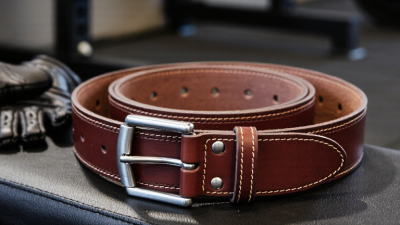
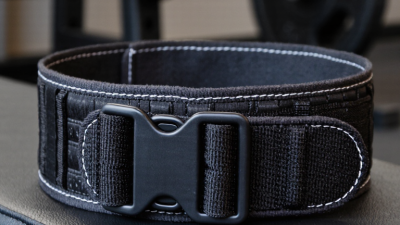
Details matter. A dependable belt may use reinforced leather, dense nylon, strong stitching, and a secure buckle system. Its edges should feel smooth against the waist, even during heavy squats or deadlifts. We also examine factory capabilities, customization options, order flexibility, packaging, and quality-control procedures. Sample testing remains important. A factory may show excellent photographs, yet the delivered product can differ in finishing or durability.
No supplier is perfect. That deserves attention. Our evaluation therefore considers both strengths and possible limitations, including communication delays, minimum order quantities, and inconsistent sizing. Where available, evidence such as factory audits, testing records, export experience, and customer feedback supports the assessment. However, supplier information can change over time, so readers should verify current details before placing an order. The ranking is a practical reference, not an absolute verdict. It helps buyers ask better questions and identify manufacturers suited to professional gyms, private-label brands, and everyday strength training. Good equipment should support serious work without unnecessary complication.
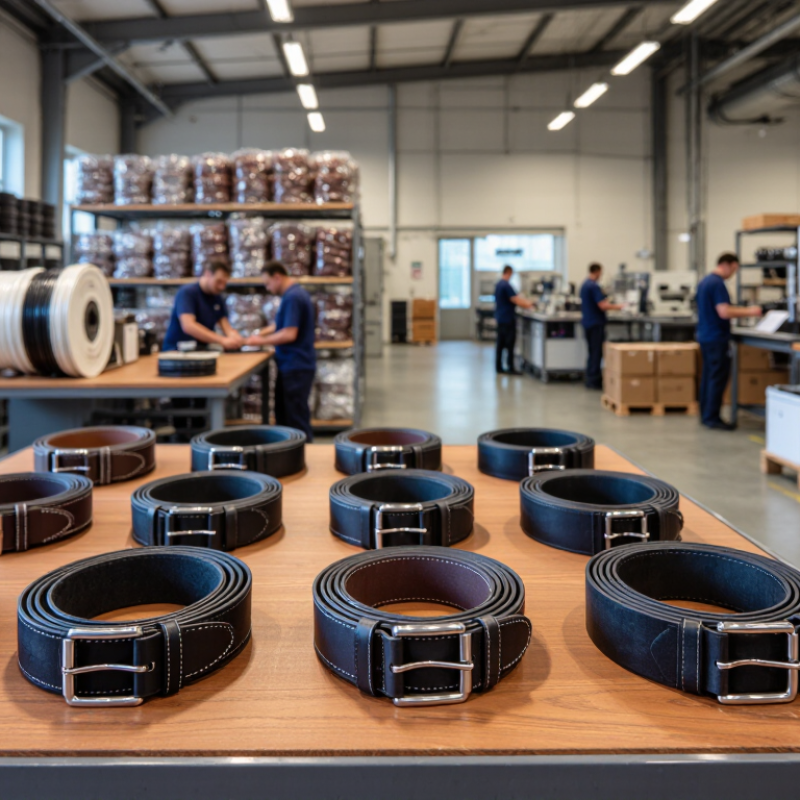
A high-quality weightlifting belt manufacturer in China is defined by more than low pricing or attractive product photos. Reliable manufacturers understand pressure distribution, spinal support, and athlete comfort. They select suitable leather, nylon, or reinforced synthetic materials for specific training demands. The belt should feel firm around the waist, without painful edges or uneven pressure. Stitching must remain straight and dense. Buckles, rivets, and adjustment holes need practical strength testing.
Manufacturing evidence matters. Ask for material specifications, production photographs, inspection records, and sample measurements. A dependable factory should explain its testing process clearly, including load checks, buckle durability, and stitching resistance. Consistent sizing is also essential. A two-centimeter difference can make a belt uncomfortable during heavy squats. Certifications may support credibility, but they should match the product and come from verifiable sources. No factory is perfect. However, responsible manufacturers acknowledge weaknesses and improve them instead of hiding defects.
Tips: Request several samples from different production batches. Check the belt after repeated tightening and bending. Examine the inner lining for rough seams or early peeling. Confirm packaging, labeling, and delivery controls before placing a large order. Communication is evidence, too. Slow replies, vague measurements, or changing material descriptions deserve attention. One common mistake is judging quality from a single sample. Real reliability appears through stable production, honest documentation, and repeatable inspection results.
A practical, company-neutral benchmark for evaluating Chinese gym belt and weightlifting belt manufacturers.
| Rank | Evaluation Dimension | Recommended Benchmark | What a Qualified Manufacturer Should Provide | Why It Matters | Assessment |
|---|---|---|---|---|---|
| 1 | Material Quality | Consistent full-grain or high-grade split leather for leather belts; abrasion-resistant nylon or polyester for fabric belts. | Material specifications, thickness records, incoming-material inspection, and samples from different production batches. | Prevents early cracking, stretching, peeling, and loss of structural support. | Core Requirement |
| 2 | Structural Thickness and Shape | Common leather powerlifting belts are typically produced around 10–13 mm thick, with stable width and edge finishing. | Thickness measurements at several points, width tolerances, edge-finishing specifications, and pre-shipment inspection records. | Uniform construction helps maintain abdominal support and reduces pressure points during heavy lifts. | Core Requirement |
| 3 | Stitching and Reinforcement | Even stitching, reinforced stress areas, secure thread ends, and no skipped or loose stitches. | Sewing specifications, stitch-density standards, inspection photos, and load or pull-test records for high-stress areas. | The buckle area, holes, and belt edges experience repeated tension and are common failure points. | Core Requirement |
| 4 | Buckle and Hardware Reliability | Load-bearing buckle, roller, rivets, and adjustment holes should be corrosion-resistant and securely attached. | Hardware material declarations, buckle-cycle testing, rivet pull testing, and corrosion-resistance documentation where applicable. | Hardware failure can cause sudden loss of support and create a direct safety hazard. | Core Requirement |
| 5 | Load and Durability Testing | A documented test method covering repeated fastening, bending, stitching strength, buckle retention, and dimensional stability. | Written test procedures, sample quantities, acceptance criteria, test dates, and corrective-action records for failed samples. | Durability testing is more reliable than appearance alone for predicting service life. | Core Requirement |
| 6 | Quality Management System | Documented incoming, in-process, and final inspections; ISO 9001 certification is a useful supporting indicator. | Current certificate details, inspection checklists, batch traceability, nonconformance reports, and corrective-action procedures. | A repeatable quality system reduces variation between production batches and purchase orders. | Strong Indicator |
| 7 | Material Safety and Compliance | Materials should comply with the chemical and product-safety requirements of the destination market. | Applicable laboratory reports for restricted substances, coatings, dyes, adhesives, and metal components; test scope must match the product. | Compliance documentation helps reduce regulatory, customs, and consumer-safety risks. | Market Dependent |
| 8 | Customization Capability | Ability to manage custom dimensions, colors, materials, buckle styles, packaging, labels, and approved samples. | Technical drawings, sample-approval workflow, tooling records, color references, and written change-control procedures. | Controlled customization prevents unauthorized material substitutions and inconsistent private-label production. | Commercial Advantage |
| 9 | Production Capacity and Lead Time | Clearly stated sampling, bulk-production, inspection, and shipping lead times supported by realistic capacity planning. | Production schedule, monthly capacity range, equipment list, staffing plan, historical delivery performance, and peak-season contingency plan. | Reliable planning is essential for gym launches, retail promotions, and recurring wholesale orders. | Supply Reliability |
| 10 | Packaging and After-Sales Support | Protective packaging, accurate carton marks, spare-part or replacement policy, and documented handling of complaints. | Packaging specifications, drop or compression-test results when required, warranty terms, response-time targets, and defect-resolution records. | Good after-sales processes lower replacement costs and protect long-term customer relationships. | Long-Term Value |
| Evaluation note: No company names or brand-specific claims are included. A manufacturer should be compared using current samples, documented test evidence, applicable destination-market requirements, and verified production performance. | |||||