Leave Your Message
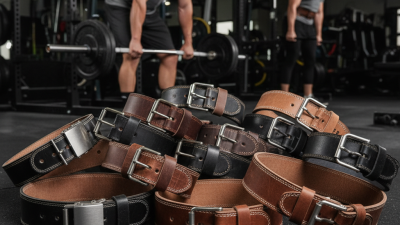
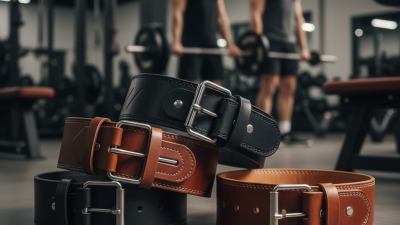
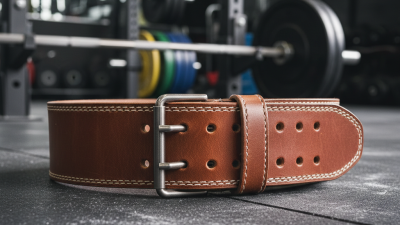
Choosing among Leather Weightlifting Belts in 2026 requires more than comparing thickness, stitching, and price. The right belt should support bracing without restricting controlled movement. It should also feel secure during heavy squats, deadlifts, and Olympic lifts. A poorly shaped belt can press sharply against the ribs. That detail matters after several working sets.
The American College of Sports Medicine’s 2025 Worldwide Survey of Fitness Trends placed traditional strength training among the leading global training methods. This supports continued interest in dependable strength equipment. Industry research from Grand View Research also identifies strength-training equipment as a significant segment of the broader fitness equipment market. However, broad market data does not prove that every leather belt performs equally. That is where construction details become important.
Dr. Stuart McGill, a leading spine biomechanics researcher, has explained that a belt can help lifters create greater trunk stiffness, but it cannot replace sound technique. That principle guides this comparison. We will examine leather quality, belt width, fastening systems, edge finishing, break-in time, and practical comfort. Small differences are noticeable. A rigid 13-millimeter belt may feel powerful under a maximal deadlift, yet excessive stiffness can distract newer lifters. A softer belt may fit comfortably but provide less consistent support.
There is no perfect belt for everyone. Body shape, lifting style, experience, and training goals change the decision. Even experienced athletes sometimes choose comfort over maximum rigidity. That is not always a mistake.
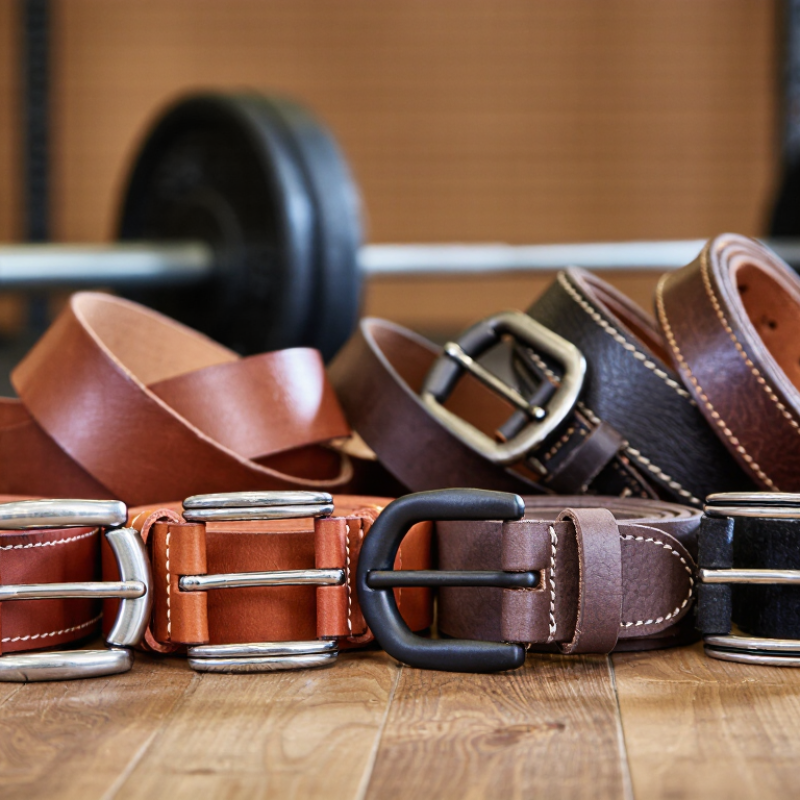
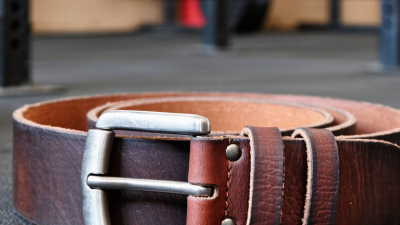
A leather weightlifting belt is effective when it supports heavy bracing without restricting normal movement. In 2026, good belt design still begins with firm, full-grain leather and dependable stitching. The material should resist stretching around the abdomen during squats and deadlifts. However, maximum stiffness is not automatically better. A belt that feels like a rigid board may reduce comfort and breathing control.
Fit matters more. The belt should sit securely above the hips, without pressing painfully into the ribs. Its width must match the lifter’s torso and training style. A strong buckle or lever system allows repeatable tension between sets. The fastening should not loosen when the lifter creates pressure against it. Small details matter, including smooth edges, reinforced holes, and hardware that does not pinch the skin.
Practical testing should include bracing, walking, sitting, and several warm-up sets. Do not judge support from one heavy attempt. That can be misleading. A quality belt should feel stable while allowing controlled breathing and a neutral trunk position. It also needs regular care; sweat and moisture can dry or weaken leather over time. Wiping it after training helps, although I would not claim maintenance makes every belt last forever. Body shape, lifting technique, and experience still influence performance. Beginners may need coaching before using a very rigid belt. Even experienced lifters should reassess the fit when their training volume or waist measurement changes.
| Profile | Leather Construction | Thickness | Width | Fastening System | Available Waist Range | Approx. Weight | Best Use | Support Characteristics | Break-In Time | Overall Score |
|---|---|---|---|---|---|---|---|---|---|---|
| Heavy Powerlifting Belt | Vegetable-tanned full-grain leather | 10 mm | 4 in / 10.2 cm | Single-prong steel buckle | 26–46 in / 66–117 cm | 1.7–2.2 lb / 0.8–1.0 kg | Heavy squats, deadlifts, and low-repetition strength work | Very high trunk support; consistent pressure around the waist | 2–6 weeks | 9.2/10 |
| Competition Lever Belt | Full-grain leather with reinforced inner lining | 10–13 mm | 4 in / 10.2 cm | Adjustable lever closure | 24–44 in / 61–112 cm | 2.0–2.6 lb / 0.9–1.2 kg | Powerlifting sessions and repeated competition-style attempts | Fast tightening and stable fit; requires accurate initial adjustment | 2–5 weeks | 9.1/10 |
| Olympic Lifting Leather Belt | Flexible full-grain leather with a tapered profile | 6–8 mm | 3–4 in / 7.6–10.2 cm | Single-prong steel buckle | 26–44 in / 66–112 cm | 1.0–1.5 lb / 0.45–0.68 kg | Snatches, cleans, front squats, and dynamic barbell movements | Moderate support with improved hip and torso mobility | 1–3 weeks | 8.8/10 |
| Tapered Strength Belt | Full-grain leather with a narrower front section | 8–10 mm | 4 in back, 2.5–3 in front | Roller buckle or single-prong buckle | 28–48 in / 71–122 cm | 1.3–1.8 lb / 0.6–0.8 kg | General strength training and mixed lower-body workouts | Good lumbar support without excessive abdominal restriction | 1–4 weeks | 8.6/10 |
| Adjustable Lever Training Belt | Layered leather with a reinforced support panel | 8–10 mm | 4 in / 10.2 cm | Lever closure with replaceable hardware | 24–46 in / 61–117 cm | 1.5–2.1 lb / 0.7–1.0 kg | Frequent gym training and users who need quick adjustments | High support; convenient during supersets and changing exercises | 2–4 weeks | 8.5/10 |
| Wide Back-Support Belt | Chrome-tanned leather with padded interior backing | 6–8 mm | 4 in back, 3 in front | Double-prong buckle | 28–50 in / 71–127 cm | 1.4–1.9 lb / 0.64–0.86 kg | Moderate-to-heavy recreational lifting | Even pressure distribution and comfortable contact for longer sessions | 1–3 weeks | 8.2/10 |
| Compact Fitness Leather Belt | Split-grain or corrected-grain leather | 4–6 mm | 3 in / 7.6 cm | Single-prong buckle | 26–44 in / 66–112 cm | 0.8–1.2 lb / 0.36–0.54 kg | Machine work, dumbbell training, and beginner barbell lifting | Light-to-moderate support with greater flexibility and comfort | Less than 2 weeks | 7.8/10 |
| Reinforced Long-Term Belt | Dense vegetable-tanned full-grain leather with stitched edges | 10 mm | 4 in / 10.2 cm | Double-prong steel buckle | 26–48 in / 66–122 cm | 1.8–2.4 lb / 0.8–1.1 kg | Long-term strength progression and high-frequency training | Very durable and rigid; best for experienced lifters | 3–8 weeks | 8.9/10 |
Evaluation criteria include leather quality, thickness, width, fastening reliability, fit range, structural support, mobility, break-in requirements, and expected durability. Actual weight and fit can vary slightly according to waist size, buckle hardware, leather density, and production tolerances.