Leave Your Message

What Is a Fitness Protection Belt and How Does It Work?

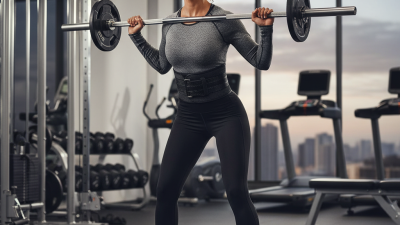
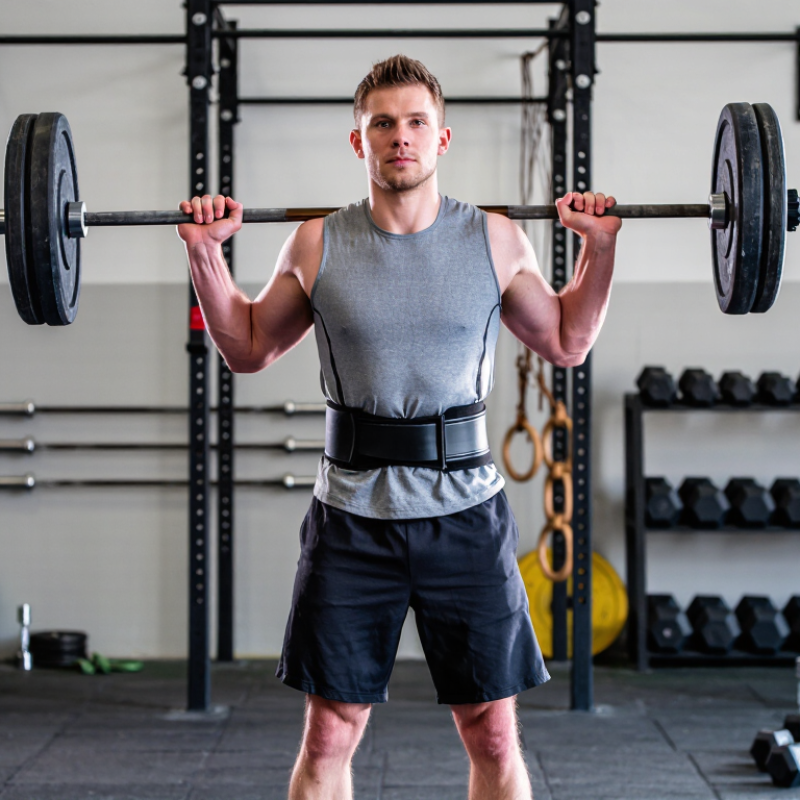
A Fitness Protection Belt is a supportive belt worn around the torso during selected strength exercises. It can give the lifter a firm surface to brace against, especially during heavy squats or deadlifts. It is not armor. Fit matters.

Interest in strength training makes the topic timely. The American College of Sports Medicine’s 2024 Worldwide Survey of Fitness Trends ranked traditional strength training ninth among global fitness trends. Yet popularity does not prove a belt prevents injury. A Cochrane review of workplace studies found no strong evidence that lumbar supports alone prevent back pain; those findings should not be treated as direct proof about weightlifting belts. The distinction matters.

Spine biomechanics researcher Dr. Stuart McGill has studied trunk bracing and spinal loading. His practical message, paraphrased rather than presented as a verbatim quotation, is this: a belt may support bracing, but it cannot replace sound technique. In use, the belt should feel snug around the abdomen, not painfully tight. The lifter breathes into the trunk, braces, and maintains control through the repetition. A belt that restricts breathing or shifts during a lift may be poorly fitted or used at the wrong time. It also cannot correct rushed repetitions, excessive loads, or weak movement habits. The following guide explains what a Fitness Protection Belt does, how it works, and what current evidence can—and cannot—tell us.
What Is a Fitness Protection Belt and How Does It Work?

What a Fitness Protection Belt Is: A Bracing Aid for Loaded Lifts

A fitness protection belt is a firm band worn around the torso during demanding lifts. It gives the lifter a surface to brace against, especially during squats, deadlifts, and similar movements. The belt does not lift the weight or prevent every injury. It is not armor. A good fit feels snug around the waist without restricting breathing or pinching the hips.

When you brace your abdomen against the belt, pressure inside the torso can rise and help the trunk feel steadier. The belt also offers a physical cue: breathe in, tighten your midsection, then move with control. Its support depends on proper technique, suitable load, and correct fit. A belt cannot fix rushed repetitions or poor positioning. And extra confidence can sometimes tempt lifters to add weight too soon; that is worth noticing.

Tips: Try the belt with a light load before relying on it for heavier sets. Keep breathing between repetitions, and loosen it when the set ends. If it causes pain, numbness, or difficulty breathing, stop and reassess the fit. A qualified coach or health professional can help if you are unsure.
Common Belt Types: Powerlifting, Olympic-Style, and Flexible Designs

A fitness protection belt gives your trunk a firm surface to brace against during loaded lifts. It does not hold your spine in place or guarantee injury prevention. A snug belt can help some lifters create abdominal pressure, but technique and appropriate loading still matter.

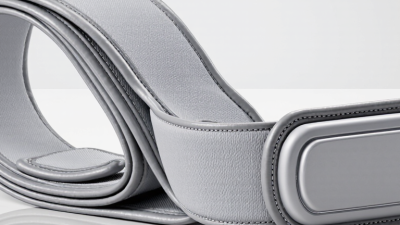
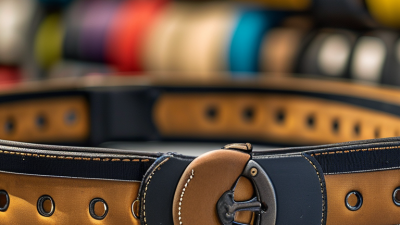
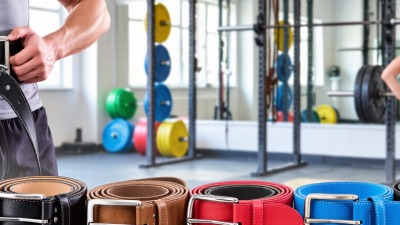
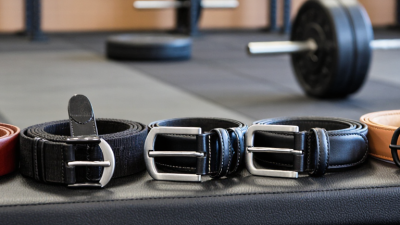
Powerlifting belts are usually thick and consistently wide, offering firm support for squats and deadlifts. Olympic-style belts tend to be wider at the back and narrower at the front, allowing more room to bend and catch a bar. Flexible designs, often made with softer materials, feel less restrictive during general training. The trade-off is that they may provide less rigid feedback under heavy loads. Fit varies, and a belt that works for one lifter can feel awkward on another.

Tips: Position the belt around your trunk, then tighten it enough to brace against without restricting breathing. Practice taking a deep breath into your abdomen before lifting. Try a few light repetitions first. If the belt causes pain, numbness, or makes your movement feel forced, loosen it or stop and reassess. I’ve seen lifters rely on the belt too early; it can become a crutch, and that is worth reflecting on.

What Is a Fitness Protection Belt and How Does It Work? — Common Belt Types: Powerlifting, Olympic-Style, and Flexible Designs
Feature Powerlifting Belt Olympic-Style Belt Flexible Belt
Typical design Usually a firm belt with a consistent width around the torso. Common versions use a lever or prong buckle. Often wider across the back and narrower at the front, allowing more room for the torso and hips to move. Usually made from flexible material, such as nylon, and fastened with an adjustable hook-and-loop closure.
Common dimensions Many are about 10 cm (4 in) wide throughout. Thickness and sizing vary; some competition rules set maximum dimensions. The back panel is commonly around 10–15 cm (4–6 in) wide, while the front is narrower. Designs are not standardized. Widths commonly range from about 7.5–15 cm (3–6 in), depending on the design and intended use.
Typical materials Often stiff leather or dense synthetic material, selected to resist bending under pressure. May use leather, synthetic material, or a combination; construction varies by model. Commonly woven nylon or another pliable textile, sometimes with a padded or reinforced panel.
How it works The lifter braces the abdomen and torso against the belt. This can help create a firm surface for the trunk muscles to press against during heavy lifts. It provides a bracing surface while its tapered shape can allow greater hip and torso movement during dynamic lifts. It offers a more adjustable, less rigid bracing cue and can be tightened or loosened quickly between movements.
Common use Heavy squats, deadlifts, and other strength-focused lifts where a rigid, consistent fit is preferred. Olympic weightlifting movements such as the snatch and clean and jerk, which require fast movement and deep receiving positions. General strength training, accessory exercises, and sessions where easy adjustment or greater flexibility is useful.
Fit considerations Should feel secure without preventing a full breath or a strong abdominal brace. Buckle placement and hole spacing affect adjustment. Should stay snug during movement without digging into the hips or restricting the catch position. Should be snug enough to provide a tactile cue but not so tight that it limits breathing or movement.
Key limitation A belt does not replace sound technique, progressive training, or the lifter’s own trunk bracing. Less rigid designs may provide less resistance to bending than a stiff, uniform powerlifting belt. Flexible construction may offer less firm support under very heavy loads than a rigid belt.

How It Works: A Squat Study Reported About ಭ40% Higher Intra-Abdominal Pressure

A fitness protection belt, often called a lifting belt, wraps around the torso during heavy exercises such as squats. A squat study reported about 40% higher intra-abdominal pressure when participants lifted with a belt under the tested conditions. Intra-abdominal pressure is pressure created inside the abdomen as the trunk braces. It can help the torso feel more supported during a demanding lift.

The belt does not hold the spine in place by itself. Instead, a lifter can brace the abdomen against its firm surface while maintaining a controlled breath. The belt’s fit, the load, breathing technique, and lifting experience may all affect the response. Easy to miss: a 40% increase in pressure does not mean 40% more protection or a lower injury risk. The study’s measurement describes pressure, not proof that belts prevent injuries.

For a squat, the belt should feel snug, not painful or restrictive. A lifter should still be able to brace and breathe deliberately; simply tightening the belt is not a substitute for sound technique. The reported figure is useful, but it should be read within the study’s specific setup. Results may differ with other lifters, loads, or belt-fitting methods.

What Is a Fitness Protection Belt and How Does It Work?

In one squat study, intra-abdominal pressure was reported to be about 40% higher when participants used a belt. The chart shows this as a normalized index: the no-belt condition is set to 100, and the belt condition is approximately 140. This is a relative comparison, not an absolute pressure measurement; results can vary by person and lifting technique.

What Research Says: Benefits and Limits of Belt-Assisted Lifting

What Is a Fitness Protection Belt and How Does It Work?

A fitness protection belt, often called a lifting belt, wraps around the torso during heavy lifts. It does not hold the spine still or prevent every injury. Instead, it gives the abdominal muscles a firm surface to brace against. Small laboratory studies suggest belts can increase pressure inside the abdomen and change trunk mechanics during lifting. That may help experienced lifters brace during demanding squats or deadlifts. It is not a substitute for sound technique.

The limits matter. A 2000 Journal of the American Medical Association study followed 9,377 retail material handlers across 160 stores. Researchers found that back-belt use was not associated with fewer back-injury claims or less reported back pain. These were workplace belts, not a controlled trial of strength athletes, so the findings cannot settle whether a gym belt helps a specific lifter. Still, a belt should not be sold as proven injury insurance.

Fit and timing also count. A belt that is too loose offers little bracing feedback; one cinched painfully tight can distract from breathing and movement. Try it on heavy working sets, not every warm-up, and learn to brace without it too. That takes practice. Research supports a possible performance aid, not a guarantee of safer lifting. And honestly, individual response is still hard to predict.

Workplace Back Belts: NIOSH Finds No Injury-Prevention Benefit

What Is a Fitness Protection Belt and How Does It Work?
Workplace Back Belts: NIOSH Finds No Injury-Prevention Benefit

A fitness or workplace back belt wraps around the lower torso, creating pressure and a feeling of firmness. Some workers say it reminds them to brace their abdomen while lifting. That sensation is not proof of protection. NIOSH-reviewed research has not shown that back belts reliably prevent workplace back injuries. A belt may change how supported someone feels, but it cannot remove the forces involved in lifting a heavy box from a low shelf.

That distinction matters on a busy shift. A worker may still twist, reach too far, or lift beyond their capacity while wearing a belt. The belt can also feel restrictive, and relying on it may distract from safer work practices. Evidence does not support treating belts as a substitute for reducing heavy loads, improving workstation layout, or training workers in task-specific lifting. Honestly, the reassuring pressure can be easy to overinterpret.

Tips: Keep loads close to your body, clear the route before carrying, and ask for help with awkward items. Adjust the work setup when possible. If you wear a belt for comfort, treat it as a personal aid—not injury insurance. Pain that persists deserves attention from a qualified health professional.