Why Choose an EVA Weightlifting Belt for Training?
An Eva Weightlifting Belt can offer practical support without the stiffness of some traditional lifting belts. Its EVA foam core feels light against the waist, while a shaped profile can sit comfortably during squats, deadlifts, and general strength work. For a lifter adjusting a belt between sets, that lower-bulk feel may matter. So can a secure closure and edges that do not dig into the ribs.
The key is still fit. A belt should feel snug enough to brace against, not so tight that breathing becomes strained. Spine biomechanics researcher Stuart McGill has written extensively about bracing and lifting mechanics; a practical summary of that guidance is: “A belt can support bracing, but it cannot replace sound technique.” That distinction matters. The belt does not lift the weight for you.
EVA is often chosen for its lightness and cushioning, but construction varies by brand. Check the belt’s width, thickness, closure, stitching, and fit under your usual training clothes. Then test it with controlled warm-up sets before relying on it for heavier work. Comfort is personal. Some lifters may prefer a firmer belt, while others may find a softer profile easier to wear. Neither preference proves one design is best for everyone. An Eva Weightlifting Belt can be a useful training aid, but it is not essential equipment, and it cannot correct rushed setup or inconsistent bracing. That is worth remembering.
What Is an EVA Weightlifting Belt?
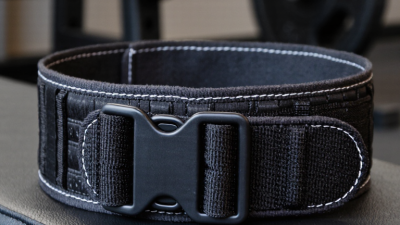
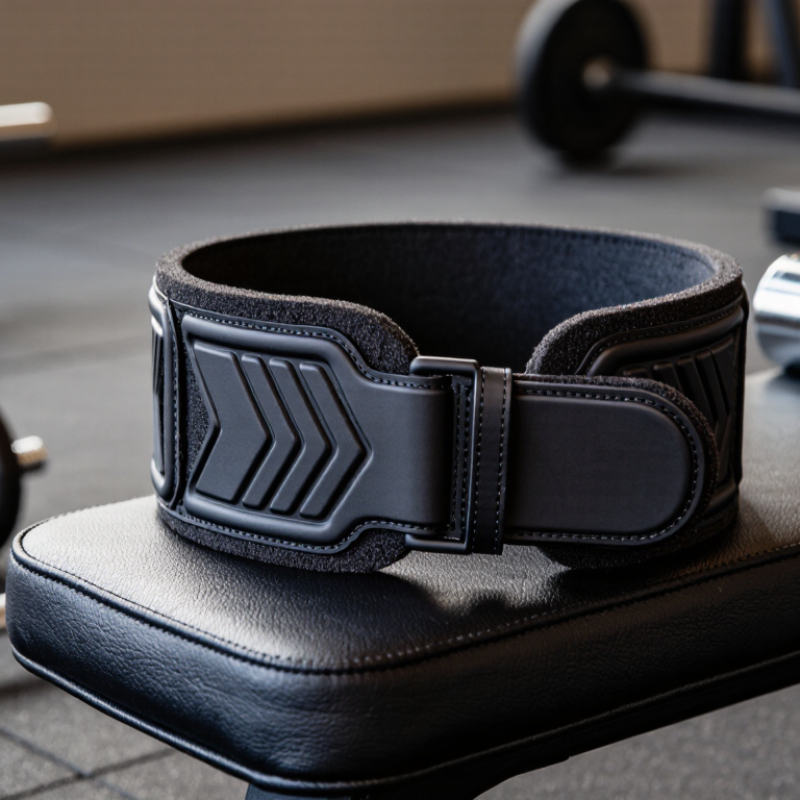
An EVA weightlifting belt is a training belt made with ethylene-vinyl acetate, a lightweight, flexible foam. The material is used in cushioning products because it can compress slightly and recover its shape. In a belt, EVA may form a padded core, while fabric or synthetic layers help hold it together. The exact feel varies with thickness, shape, stitching, and closure. “EVA belt” describes a material choice, not one standard design. That distinction matters. A wider back panel can feel steadier during squats, while softer edges may reduce rubbing around the ribs. Still, padding alone does not create useful support. The belt needs a secure fit and should let you brace comfortably.
When lifting, set the belt snugly around your torso, leaving room to breathe and expand your abdomen against it. It should feel firm, not painful or restrictive. Try a few bodyweight hinges or squats before adding weight. Check whether it shifts, pinches, or changes your usual setup. EVA can suit lifters who prefer a lighter, softer feel. It may not feel as rigid as a thick leather belt. That is not automatically a drawback; the right feel depends on the lift and the lifter. I still find the label a little vague: belts described as EVA can differ noticeably in stiffness and durability. Check the dimensions, closure, and care instructions, then assess the fit during controlled training.
How an EVA Belt Supports the Core During Lifting
An EVA weightlifting belt supports the core by giving your abdomen a firm surface to brace against. During a squat or deadlift, breathe into your belly and gently press outward against the belt. This can help you maintain trunk tension while you lift. The belt does not brace you by itself, and it cannot replace sound technique or gradual strength training.
EVA padding can feel comfortable against the waist, especially when a set involves repeated bracing. A close fit matters: the belt should feel snug, but it should not restrict breathing or pinch when you hinge. Try it with a light load first. Notice whether you can still take a full breath and hold a stable position. It may feel awkward at first, and that is useful feedback.
Tips: Set the belt above your hip bones, brace before each rep, and loosen it between sets if needed. If your form changes, reduce the load.
Why Choose an EVA Weightlifting Belt for Training? - How an EVA Belt Supports the Core During Lifting
| Training Dimension |
How an EVA Belt May Help |
Practical Guidance |
| Core bracing |
A belt provides a firm surface against which the lifter can brace the abdominal muscles. The belt does not brace the core by itself. |
Inhale and brace around the trunk before the lift; keep the brace through the effort, then reset as needed. |
| Squats and deadlifts |
During heavy compound lifts, belt feedback may help some trained lifters maintain a more deliberate brace and trunk position. |
Use it as an optional training aid, not as a substitute for sound technique, suitable loads, or progressive training. |
| EVA material feel |
EVA (ethylene-vinyl acetate) foam is commonly used for cushioning. Depending on its construction, an EVA belt may feel lighter or more flexible than a rigid belt. |
Padding, firmness, thickness, and flexibility vary by design; check the product specifications and fit rather than assuming all EVA belts feel alike. |
| Fit and placement |
A correctly positioned belt gives the torso a consistent surface for bracing without preventing a full breath. |
Position it around the trunk where it feels stable. Fasten it snugly, but not so tightly that breathing or movement is restricted. |
| Exercise selection |
A belt is generally most relevant to lifts that involve substantial trunk bracing, rather than every exercise in a workout. |
Choose whether to wear one based on the lift, your training experience, comfort, and coaching guidance. |
| Limitations and safety |
A belt does not guarantee injury prevention, correct lifting form, or improved performance. It cannot replace core training or appropriate load management. |
Stop if the belt causes pain, numbness, or restricted breathing. Seek qualified advice if you have an injury or relevant medical condition. |
Key Benefits of EVA for Strength Training
An EVA weightlifting belt can feel lighter and softer than a rigid belt, which may suit lifters who value comfort during regular training. EVA foam cushions the waist and can flex as you move between warm-ups and working sets. It is also easy to wipe clean after a sweaty session. Fit matters. A belt should sit securely without pinching your ribs or restricting normal breathing.
For strength work, the belt gives your abdomen a surface to brace against while you create pressure around your trunk. It does not brace you automatically; controlled breathing and technique still matter. EVA’s cushioning can make contact feel less harsh, especially during repeated sets, but softness has a trade-off. Under heavy pressure, some foam designs may compress more than firmer belts, and support depends on thickness, shape, and construction. Try the belt with a light set first. Notice whether it stays in place when you hinge or squat. If it shifts, digs into your hips, or feels unstable, adjust the fit or consider a firmer option. Check the stitching and foam periodically, since wear can change how securely it holds its shape.
How EVA Belts Compare With Other Belt Materials
EVA belts feel different from leather and woven nylon because their support comes from a cushioned foam structure. MatWeb’s material-property listings place unfoamed EVA resin density around 0.92–0.95 g/cm³; that figure is not the finished foam’s density. It does show why resin data alone cannot predict a belt’s weight or stiffness. Details matter.
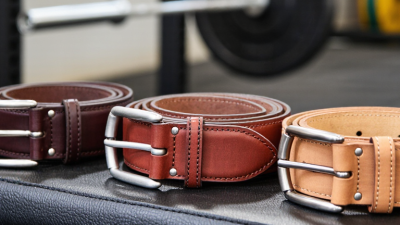
Leather belts usually feel firm and hold their shape under bracing, but can be stiff against the ribs during deep squats. Nylon belts bend more easily and often use adjustable closures. EVA can feel softer on the abdomen, especially when the edge presses during a deadlift setup. ASTM D3574 outlines tests for flexible cellular materials, including compression-related properties; it does not rank finished lifting belts. A belt’s foam density, thickness, and construction still need checking.
For repeated heavy sets, EVA’s cushioning may suit lifters who dislike hard edges, while a rigid leather design may feel more stable under maximal bracing. Neither material automatically improves lifting technique. Look for even support around the torso, secure closure, and no pressure points when you hinge or squat. Foam can compress over time. I’d treat comfort as useful evidence, not proof of long-term support.
Why Choose an EVA Weightlifting Belt for Training?
A qualitative comparison of common belt materials
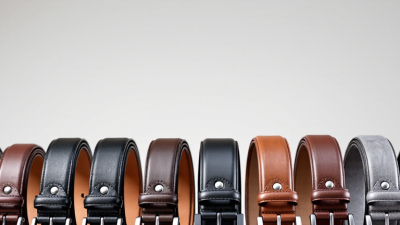
EVA foam is typically lightweight and cushioned, while leather is generally more rigid and may need breaking in. Nylon belts are often flexible and lightweight. Ratings are qualitative relative comparisons, not standardized test results; actual performance varies by belt design and construction.
How to Choose and Use an EVA Weightlifting Belt
An EVA weightlifting belt should fit the lift and your torso, not just look supportive.
Check its width against your rib cage and hips; a belt that digs in when you squat is too restrictive. Fasten it snugly, leaving room to brace your abdomen against the front, sides, and back. Too loose, and you may not feel useful resistance. Too tight, and breathing becomes awkward. Fit is easy to misjudge.
Use the belt selectively for demanding squats or deadlifts, not as a substitute for learning to brace. Take a breath, tighten your trunk around the belt, and keep your spine controlled through the lift. The American College of Sports Medicine’s 2009 position stand lists 8–12 repetitions as a common range for novice resistance training; that programming guidance does not show that a belt prevents injury. Start with lighter loads and check whether the belt helps you maintain position. If it shifts, pinches, or stays compressed after training, reassess the fit or condition. A small mistake matters. Even a careful check can miss how the belt feels under a loaded bar.